What Would A Backyard Full Of Cypress Look Like?
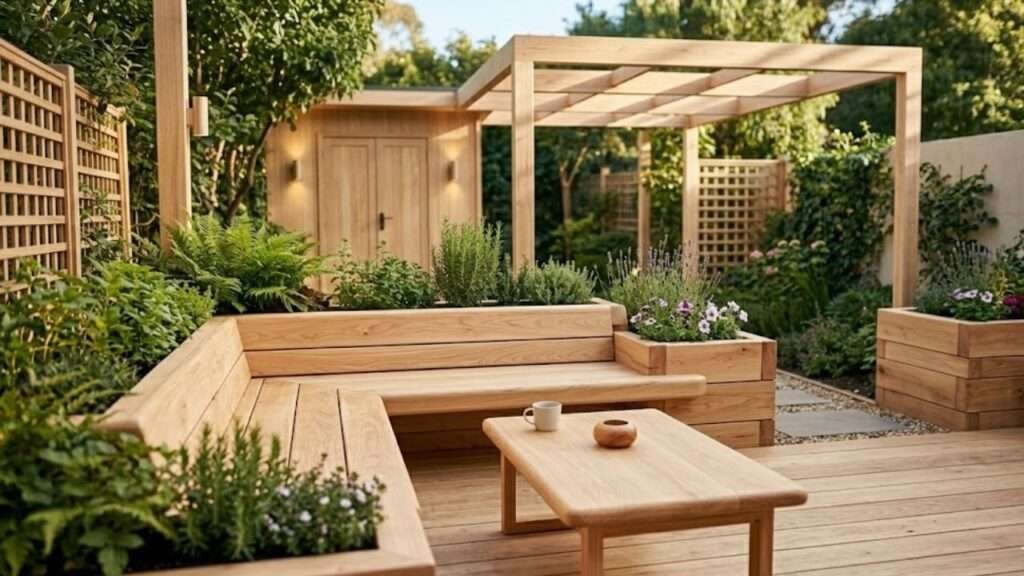
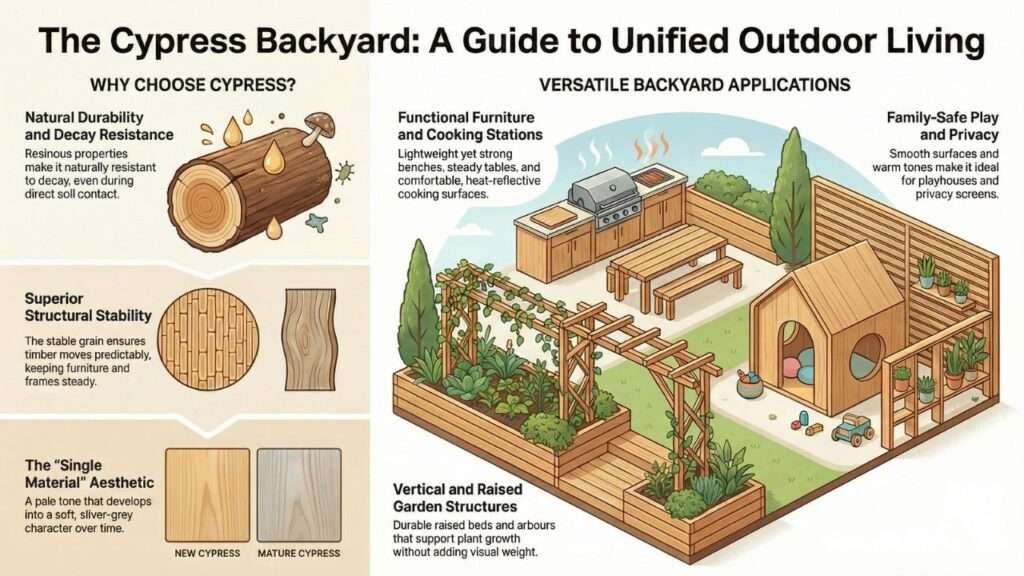
A backyard could gain quite an interesting appearance and coherence if its structures shared a single material.
Cypress supports this approach because it is durable, workable, and consistent in appearance. Its pale tone, resinous scent, and stable grain give outdoor projects a unified character that develops gradually with exposure to weather.
Cypress Furniture for Everyday Use.
Cypress suits outdoor furniture because it is light enough to handle easily yet strong enough to hold shape over time.
A bench built from wide cypress boards beside a garden path feels warm in the morning sun and settles naturally into the landscape.
A compact table with legs joined into a cypress stretcher remains steady because the timber moves predictably as it ages.
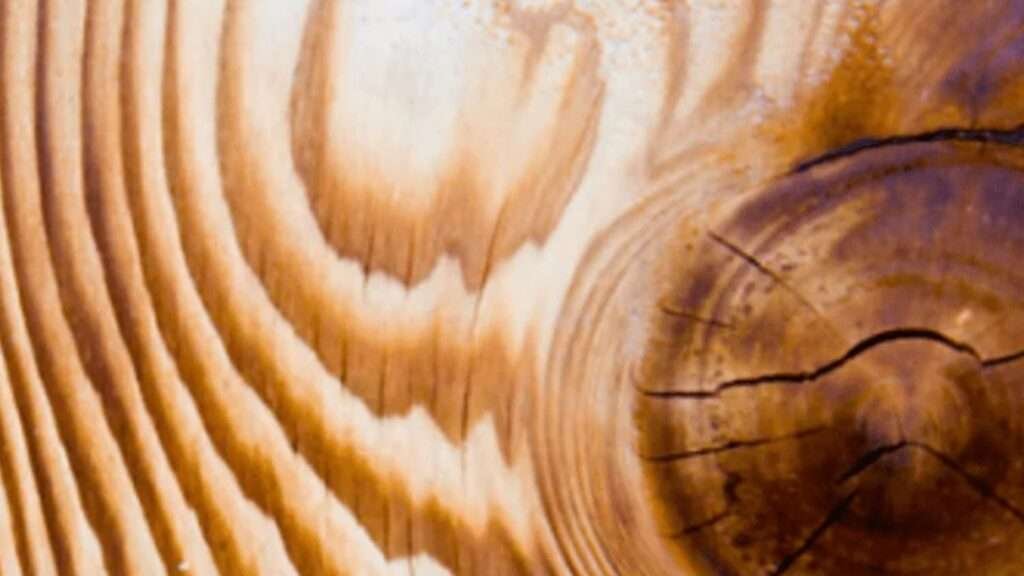
The grain is usually straight with occasional knots that add visual interest without disrupting structure.
Smaller pieces often see more use than larger settings because they fit into corners and shaded areas without dominating the yard.
1. Benches with broad cypress slats for garden edges.
2. Compact tables with mortised cypress legs.
3. Low lounge chairs built from cypress offcuts.
Pergolas and Frames Built From Cypress.
Cypress performs well in structures that shape light and movement.
A pergola made from evenly spaced cypress rafters filters sunlight into soft patterns that shift through the day.
The timber’s light colour reflects heat and keeps the area beneath comfortable. An arbor built from cypress posts at the start of a path introduces height without adding visual weight.
A trellis fixed to a fence or standing alone supports climbing plants and develops a textured surface as foliage grows.
Freshly cut cypress releases a clean resin scent that becomes part of the building experience. The timber benefits from periodic oiling to slow the gradual greying that occurs in full sun.
Raised Beds and Planters in Cypress.
Cypress is naturally resistant to decay which makes it suitable for raised beds and planters. Boards left untreated hold up well against soil contact and maintain a consistent appearance as they weather.
A raised bed built from cypress boards lifts herbs or vegetables to a comfortable working height and keeps soil contained.
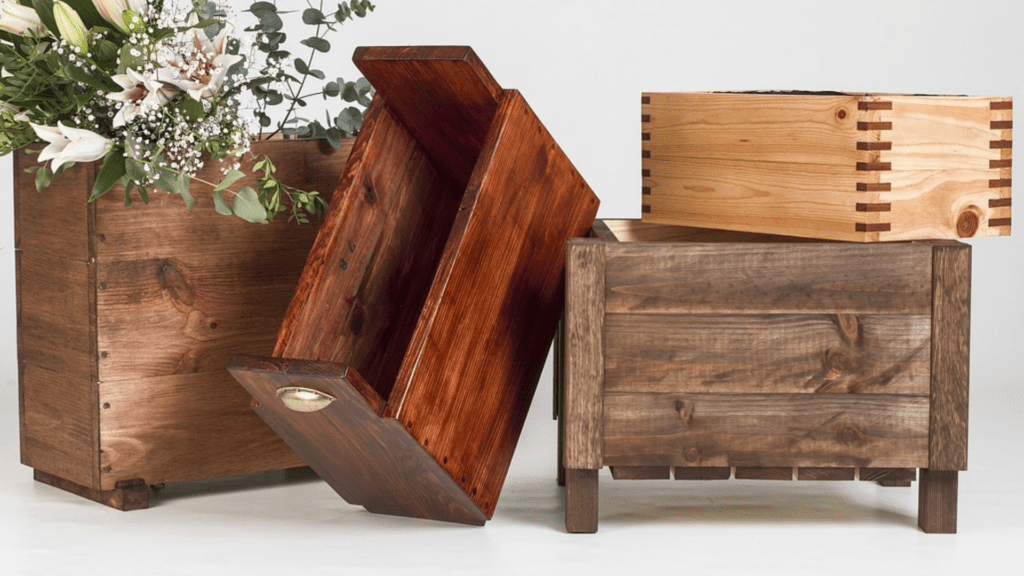
Vertical planters made from narrow cypress slats suit small yards because they draw the eye upward and create growing space without occupying much ground.
Smaller planters often retain moisture more evenly than oversized ones which supports healthier root development.
1. Square cypress planters for patios.
2. Long raised beds for vegetable rows.
3. Vertical frames for climbing plants.
Outdoor Cooking Surfaces and Bar Stations.
Cypress works well for outdoor cooking benches because it is stable and easy to finish. A bar built from cypress uprights and a polished top provides a fixed point for gatherings.
The timber warms quickly in sunlight and cools evenly in the evening which gives the surface a comfortable feel during use.
Shelves built from the same boards keep utensils organised without requiring a full outdoor kitchen.
The scent of natural oil on cypress near a grill adds a subtle sensory detail that becomes familiar over time.
A small shade frame made from cypress posts prevents the benchtop from heating excessively during summer.
Decking and Privacy Screens in Cypress.
A deck built from cypress boards has a distinct underfoot feel.
The boards are lighter than dense hardwoods but still solid and they develop a soft silver tone if left unoiled.
An oiled finish maintains the warm pale colour and highlights the grain.
Privacy screens made from vertical cypress slats provide seclusion while allowing airflow.
The spacing between slats determines how much of the garden remains visible and the timber’s light tone prevents the screen from appearing heavy.
Decks positioned in shaded areas benefit from periodic cleaning because organic matter settles more readily where sunlight is limited.
Cypress Play Structures for Family Yards.
Cypress is well suited to children’s play structures because it is stable and comfortable to touch.
A small playhouse framed in cypress and clad in cypress boards gives children a defined space within the yard.
A treehouse platform built from cypress joists and decking feels secure and blends into the surrounding foliage.
The timber’s smooth surface and warm tone make it pleasant for small hands and bare feet.
Placement matters because these structures remain in place for many years. Positioning them where they do not block light or crowd established plantings maintains the balance of the yard.
Selecting Cypress for a Unified Backyard.
Cypress supports a single material strategy because it can serve structural, decorative, and functional roles.
Its moderate weight makes it easy to handle during construction and its natural durability suits outdoor exposure.
The timber’s consistent grain produces clean lines in benches, screens, and pergolas. Reclaimed cypress boards from old fencing or sheds can be repurposed into planters or small tables and often carry a weathered texture that new timber takes years to develop.
Cypress is generally more affordable than dense hardwoods which reduces the overall cost of building a cohesive outdoor space.
A single material approach has one limitation though, using only cypress reduces variation in colour and texture across the yard.
The benefit is a consistent visual language that ties all elements together.
A Backyard Defined by Cypress.
A backyard built around cypress develops a steady character as each project settles into place. A bench leads naturally to a table.
A table suggests a pergola overhead. A planter aligns with a screen behind it. Over time the yard becomes a collection of cypress elements that share proportion, tone, and purpose. The result is a space that feels unified and comfortable to use throughout the year.
The Anatomy Of Cypress.
Cypress belongs to the Cupressaceae family which includes species such as bald cypress and several true cypresses.
These trees produce a softwood that has adapted to environments with periodic moisture. The timber is valued for stability, moderate density, and a resinous character that supports long outdoor service.
Its pale colour and distinct scent make it recognisable during cutting and planing.
Microscopically, cypress shows a structure that differs from many other softwoods.
The wood does not contain resin canals which separates it from pines.
Tracheids are large to very large and older growth displays an abrupt transition from earlywood to latewood.
Ray tracheids are absent and the rays consist of smooth parenchyma cells.
Cross-field pitting is cupressoid to taxodioid which is typical of this family.
Axial parenchyma has nodular end walls and some species such as Australian cypress contain abundant zonate parenchyma.
These features influence how the timber absorbs oil finishes and how it responds to weathering.
Macroscopic traits are easy to identify during woodworking. Heartwood ranges from light yellowish brown to deeper reddish brown while the sapwood remains nearly white.
The grain is usually straight and the texture is medium to coarse. Surfaces often feel slightly greasy because of natural oils within the wood.
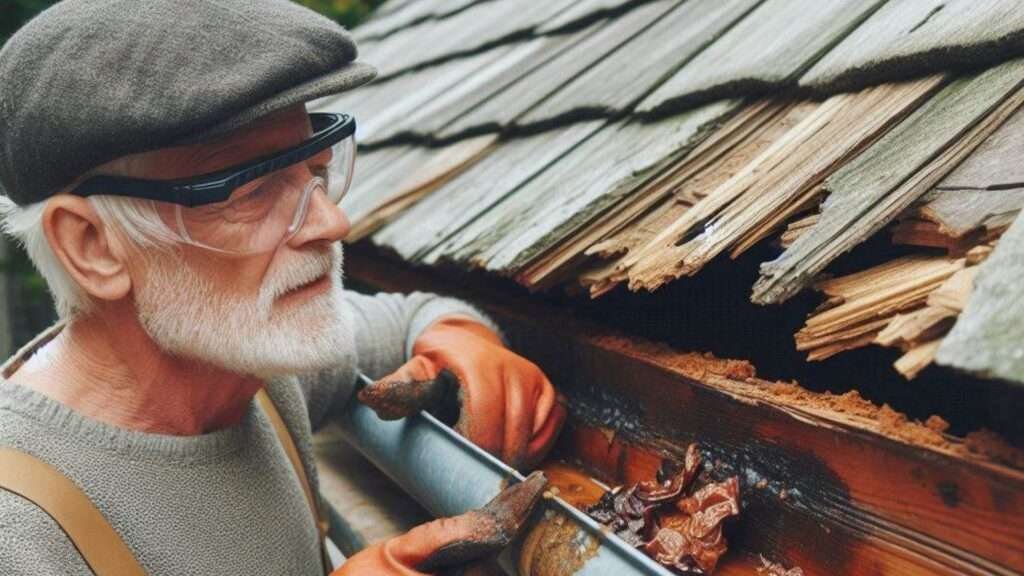
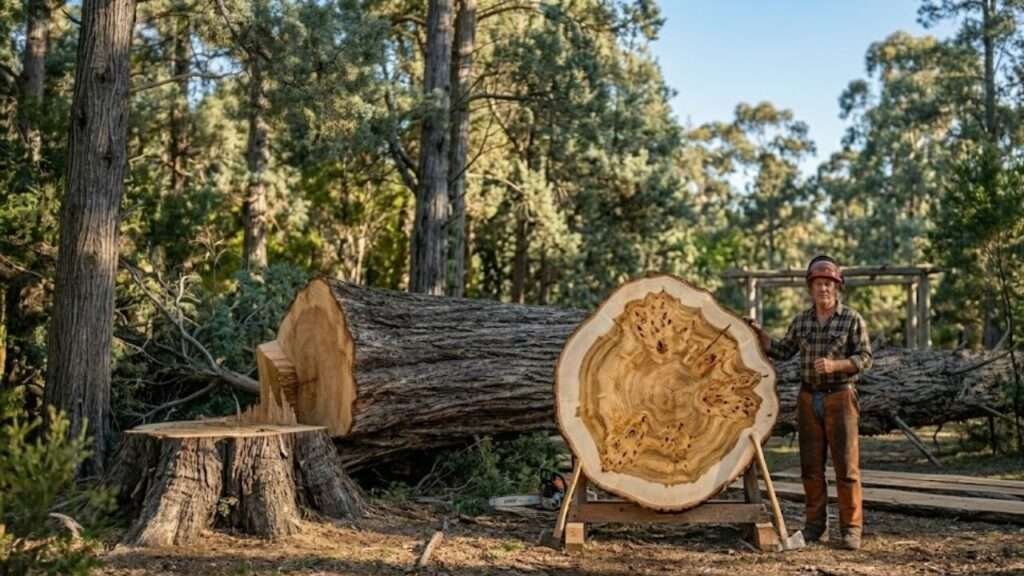
Older growth can show stronger grain contrast and may contain decay pockets known as pecky cypress which form through fungal activity.
These pockets create a distinctive appearance that some builders use intentionally for visual interest.
At the tree level, cypress species share several traits. Leaves are scale-like and arranged in whorls. Female cones are round and woody.
Bark forms fibrous plates that shed over time. In swamp-adapted species the roots may form knees which rise above the soil surface and support aeration in saturated ground.
Why Select Cypress For The Backyard?
Cypress is well suited to outdoor construction because its anatomy supports long service in variable climates.
The timber contains natural oils and resins that slow moisture uptake and reduce surface breakdown. Its cellular structure remains stable as humidity shifts which is valuable in regions that experience alternating dry heat and cool rainfall.
These traits allow cypress to perform consistently in decks, pergolas, fences, and furniture across Melbourne and similar environments.
Durability is one of the timber’s strongest qualities. Cypress offers high resistance to decay and insect activity including termites.
Above ground applications often achieve a Class 1 rating which indicates a service life that can extend beyond forty years. Shrinkage values remain low at approximately 2.5 percent radial and 3 percent tangential.
This stability limits warping and checking which helps maintain clean lines in outdoor structures.
Aesthetic qualities also contribute to its appeal. Cypress displays straight grain, fine texture, and warm colour variations that range from yellowish brown to deeper reddish tones. Tight knots appear in many boards and add visual character without compromising strength.
The timber accepts stains, paints, and oils evenly which allows builders to match finishes to surrounding materials while retaining the natural warmth of the wood.
Cypress is practical to work with for both professional and home projects. It cuts cleanly, glues reliably, and finishes smoothly despite occasional knots.
These traits support a wide range of backyard applications including retaining walls, garden edging, and outdoor seating.
The timber’s longevity reduces replacement frequency which improves overall project value. Its suitability for bushfire prone areas in Australia adds another layer of practicality for long term outdoor use.