Time To Relax
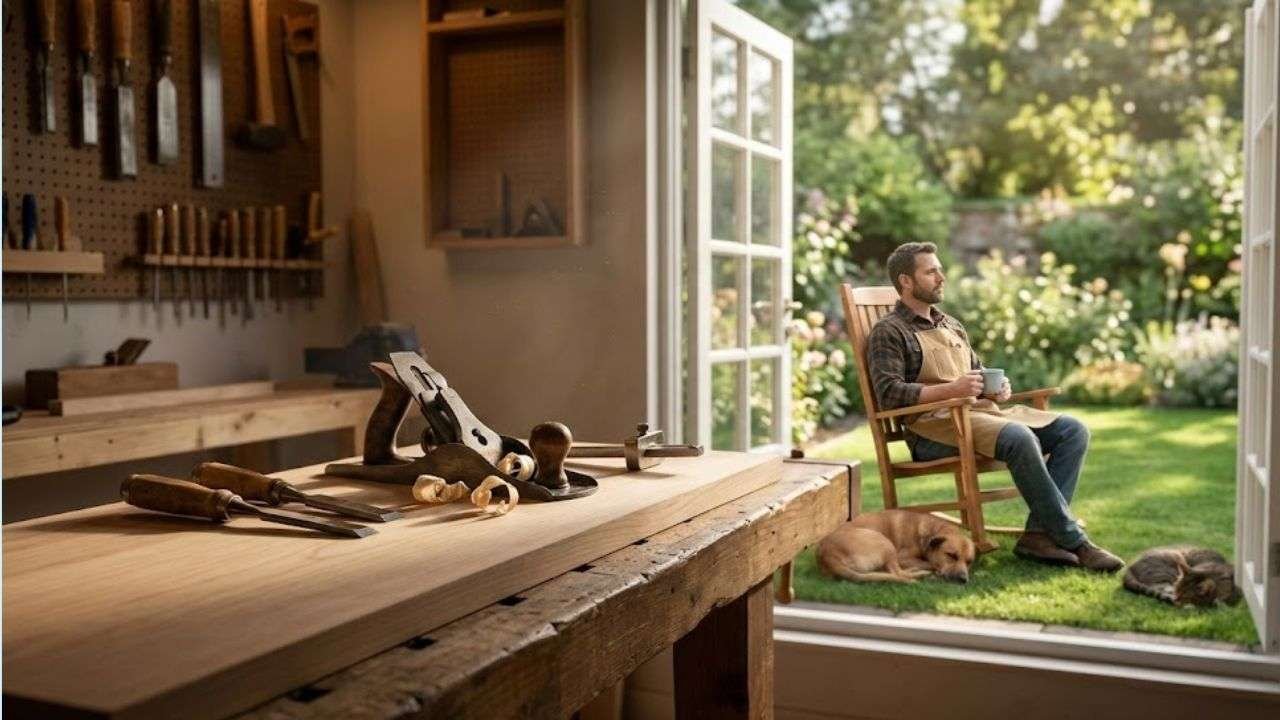 Taking intentional breaks from woodworking supports a calm creative rhythm. Time away from the bench clears the mind and helps maintain a steady appreciation for natural materials.
Understanding Mental Overload in Woodworking.
Extended focus on fine detail work can crowd the mind and reduce creative flow.
The gentle scent of planed cedar or the smooth texture of a hand shaped panel may become less noticeable when attention is stretched too long.
Many woodworkers describe moments when small decisions feel heavier than they should. This is a sign of cognitive fatigue rather than lack of skill.
A brief reset often restores clarity and improves the way each project feels under the hands.
How Stress Influences Creative Output.
Stress narrows perception and makes experimentation less appealing. Projects that once felt engaging can begin to feel mechanical.
A simple task such as fitting a drawer runner may take longer when the mind is tired. Although steady practice builds proficiency a continuous push to produce can mute curiosity.
A counter intuitive observation is that stepping back at the right moment often moves a project forward more effectively than pushing through.
educed mental space can make subtle grain patterns harder to appreciate which limits design choices.
Recognising When a Pause Is Needed.
Every workshop carries its own tempo. Still there are recurring signs that indicate the need for a break.
Tools begin to feel heavier than usual. Decisions take more effort.
A favourite piece of figured maple may look dull simply because the mind has lost its sense of contrast.
These moments show that attention is saturated. Taking a short walk or preparing a cup of tea away from the bench can return a sense of freshness.
The limitation is that breaks cannot replace thoughtful planning so both elements work best together.
Activities That Help Shift Attention.
Relief often comes from simple activities that contrast with shop routines.
A quiet stretch of time in the garden can provide grounding through soil texture and natural light.
A short session of seated breathing can slow the pace of thought. Some woodworkers enjoy sketching household scenes with soft pencils because it allows engagement with form without the structure of a build.
Each activity interrupts habitual patterns and allows the sensory detail of wood to feel vivid again when returning to the bench.
- Light movement such as a slow neighbourhood walk.
- Household tasks that use different muscle groups.
- Reading about natural materials unrelated to woodworking.
- Short mindfulness sessions focused on breath or ambient sounds.
Building Routine Downtime.
Consistent downtime supports long term enthusiasm for hand tool work.
A small ritual such as stepping outside after finishing a set of joints helps create separation between phases of a project.
Over months this pattern reinforces a stable relationship with the craft.
The faint warmth of an oiled surface can feel more rewarding when experienced with a rested mind.
Routine pauses also prevent the gradual flattening of creative interest. They give complex projects space to develop and allow new ideas to surface naturally.
Scheduling Breaks Without Losing Momentum.
A structured approach can keep projects moving while protecting mental freshness. Some makers set brief intervals after completing specific tasks such as smoothing a panel or laying out joinery.
Others use timed sessions that end with a simple reset like opening a window to bring in outdoor air.
One practical example is dividing an afternoon into two focused blocks separated by fifteen minutes spent tending to a house plant.
This maintains forward progress while ensuring the mind resets. The trade off is that schedules must remain flexible enough to support natural creative peaks.
Table: Simple Ways to Integrate Rest Into a Woodworking Routine.
| Activity |
Duration |
Sensory Reset |
| Step outside for fresh air |
5 minutes |
Change in temperature and ambient sound |
| Brew a warm drink |
10 minutes |
Aroma contrast with workshop materials |
| Gentle stretching |
5 minutes |
Shift in body alignment |
| Quiet reading |
15 minutes |
Visual reset away from project surfaces |
Returning to the Craft With Renewed Focus.
Time away from woodworking helps maintain clarity enthusiasm and balance. Regular pauses let the grain feel vibrant again and the creative process remain steady. A consistent habit of relaxation supports long term craftsmanship and encourages a thoughtful relationship with the materials that shape each project.