Finishing Techniques
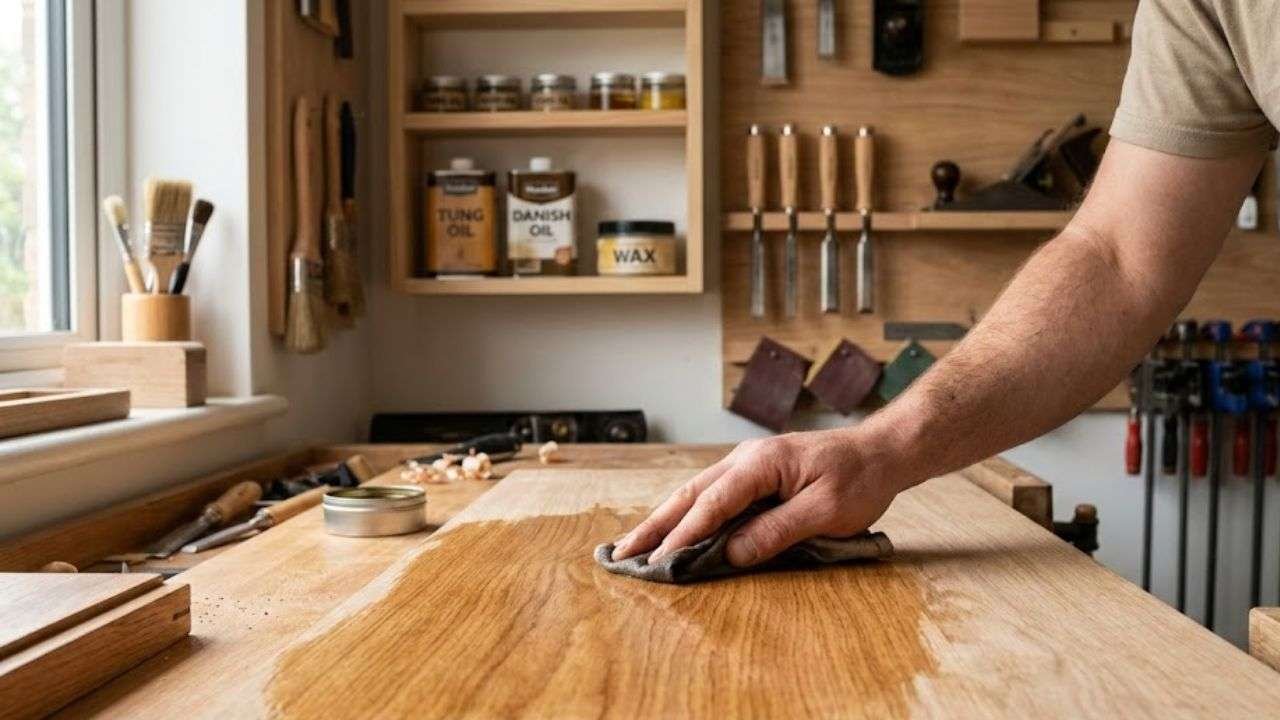
Finishing techniques shape the final character of a wooden piece.
They influence appearance, texture, and long term durability.
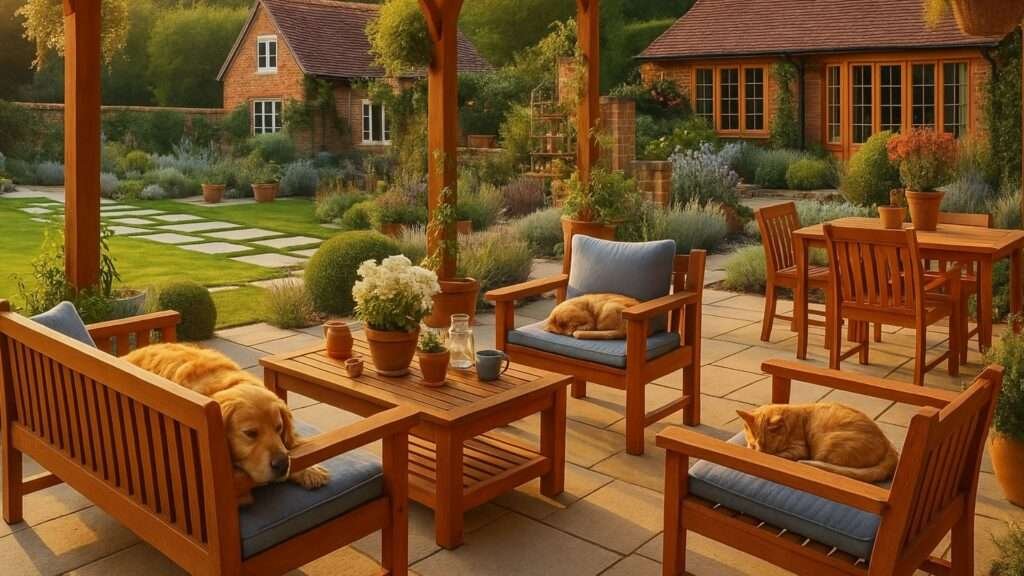
A well chosen finish supports a calm creative woodworking practice that values natural materials and a welcoming home atmosphere.
Understanding the Role of Finishing.
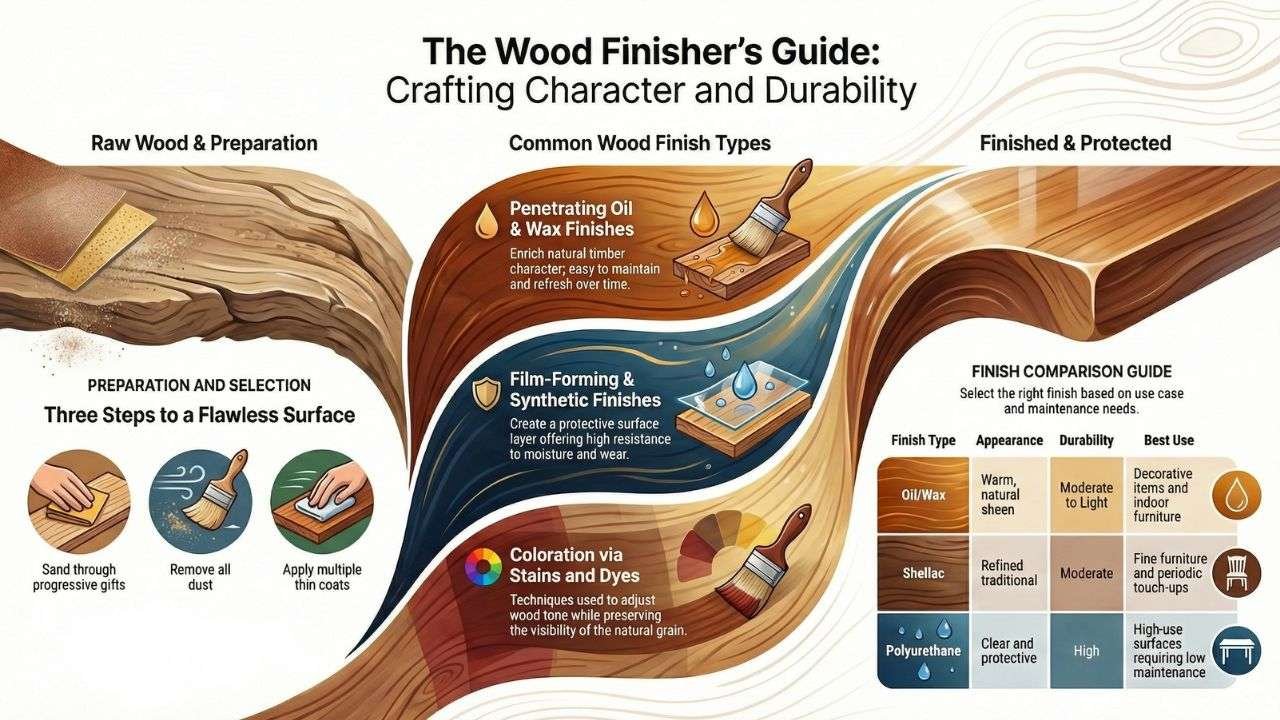
Finishing techniques complete the woodworking process by enhancing the surface and protecting it from environmental effects.
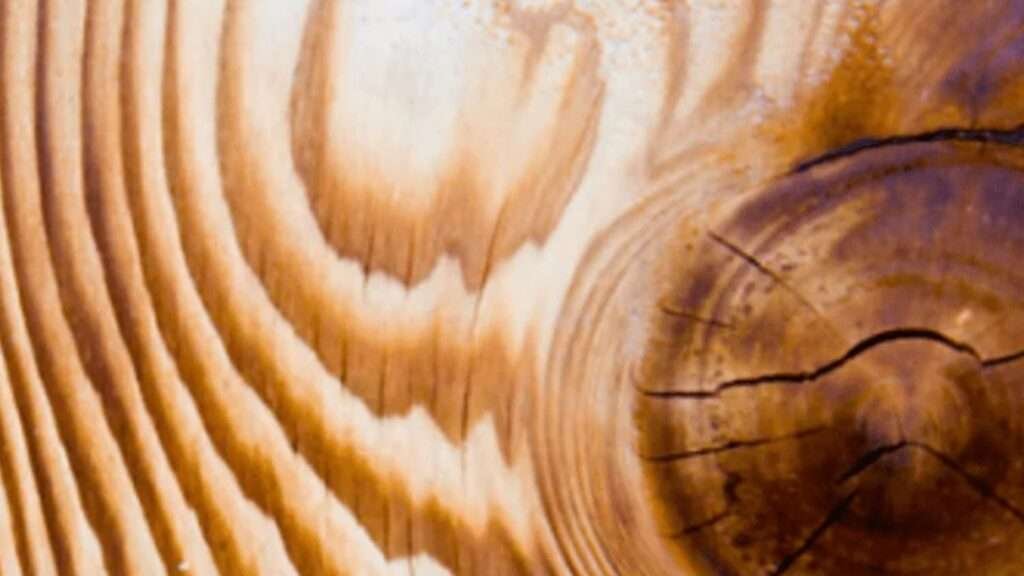
They highlight grain patterns and support the long term stability of the piece. A finish can deepen colour, refine texture, and create a surface that feels balanced and inviting in a home setting.
Traditional Oil Based Finishes.
Oil finishes remain central to woodworking because they penetrate the fibres and enrich the natural character of the timber.
They create a subtle sheen that suits both contemporary and traditional interiors.
- Tung oil offers a warm appearance and enhances grain definition.
- Linseed oil provides a gentle glow and works well with many softwoods and hardwoods.
- Danish oil blends oil and resin for a slightly more durable surface.
Oil finishes are valued for their simplicity and their ability to maintain a natural look. They support a tactile connection with the wood and allow easy maintenance over time.
Wax and Oil Combinations.
Wax can be applied over oil to create a smooth surface with a soft lustre.
This approach suits furniture and decorative objects that benefit from a gentle sheen.
- Beeswax produces a warm natural finish.
- Carnauba wax creates a slightly harder surface.
- Wax blends offer balanced application and improved durability.
Wax finishes are easy to refresh and maintain. They work well in living spaces where a calm understated aesthetic is preferred.
Film Forming Finishes.
Film forming finishes sit on the surface rather than penetrating the fibres.
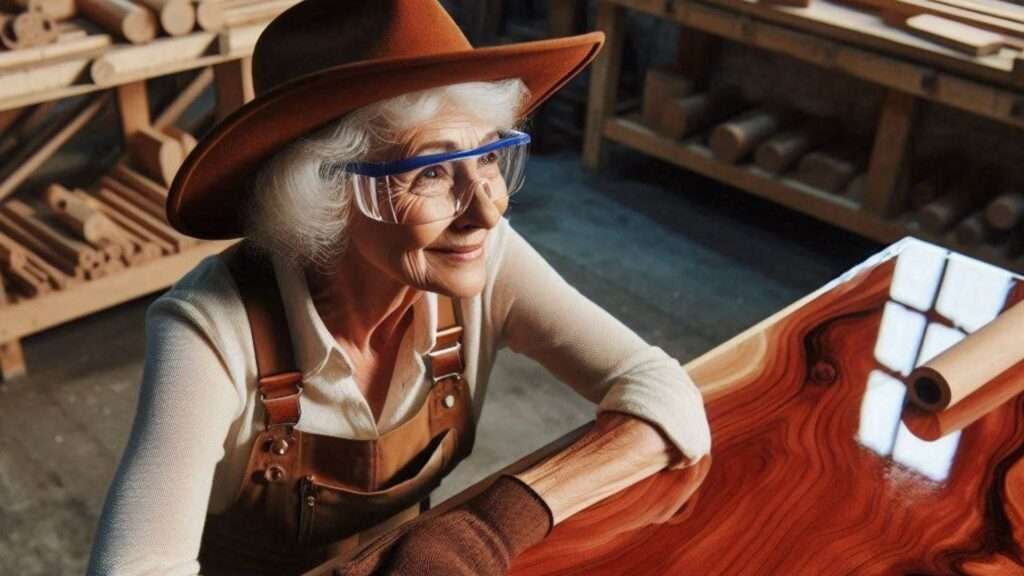
They provide a more defined protective layer and can create a glossy satin or matte appearance.
- Shellac offers a refined traditional look and dries quickly
- Lacquer creates a smooth uniform surface suitable for fine furniture
- Varnish provides a durable coating for pieces that experience regular handling
These finishes allow greater control over sheen and surface texture. They support both decorative and functional applications.
Modern Synthetic Finishes.
Synthetic finishes extend the range of protective options available to woodworkers. They offer strong resistance to moisture and wear while still allowing the natural character of the timber to remain visible.
- Polyurethane provides a durable coating for high use surfaces.
- Water based finishes offer low odour and a clear appearance.
- Epoxy resin creates a thick protective layer for specialised applications
These finishes are suited to furniture and household items that require long term resilience.
Colouring and Staining Techniques.
Colouring techniques allow woodworkers to adjust tone while preserving grain visibility. Stains and dyes can shift the mood of a piece to suit a particular interior style.
- Water based stains provide even colour distribution.
- Oil based stains penetrate deeply and highlight grain patterns.
- Gel stains reduce blotching on woods with uneven absorption.
Colouring techniques support creative expression while maintaining the natural qualities of the material.
Surface Preparation and Application.
Surface preparation influences the final result as much as the finish itself.
A smooth consistent surface allows the finish to bond evenly and enhances the clarity of the grain.
- Sand progressively through finer grits.
- Remove dust thoroughly before applying any finish.
- Apply thin coats and allow appropriate drying time
Careful preparation supports a calm and deliberate woodworking process that aligns with a lifestyle centred on natural materials and thoughtful craftsmanship.
Comparison of Common Finishes.
| Finish Type |
Appearance |
Durability |
Best Use |
Maintenance |
| Oil |
Warm natural |
Moderate |
Furniture and decorative items |
Easy to refresh |
| Wax |
Soft sheen |
Light |
Indoor pieces with gentle use |
Simple reapplication |
| Shellac |
Refined traditional |
Moderate |
Fine furniture |
Periodic touch ups |
| Polyurethane |
Clear protective |
High |
High use surfaces |
Low maintenance |
| Water based finish |
Clear subtle |
Moderate to high |
Indoor furniture |
Easy cleanup |
Integrating Finishes Into a Creative Practice.
Finishing techniques support both the functional and aesthetic goals of woodworking. They allow the maker to shape the final character of a piece and ensure that it remains stable and attractive over time.
A thoughtful approach to finishing strengthens the connection between the craft and the home environment by emphasising natural materials and calm intentional design.
Closing Thoughts.
Finishing techniques bring together protection and visual refinement.
They highlight the natural qualities of timber and support long lasting enjoyment of handmade wooden pieces. A well chosen finish enhances both the craft process and the atmosphere of the home.