Beautiful Wood
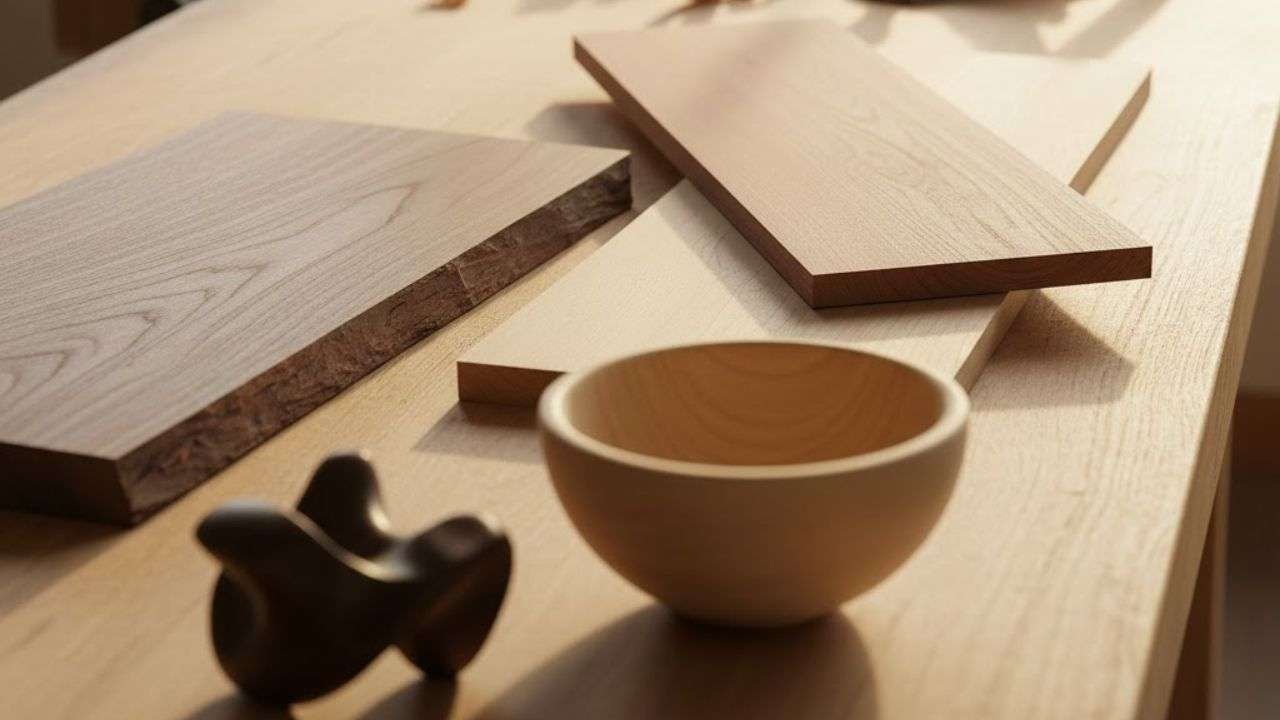
Wood is one of nature’s most remarkable materials. Its warmth texture and natural variation give it a presence that few other materials can match.
Woodworking allows makers to shape this material into objects that are both beautiful and functional.
The appeal lies not only in the finished piece but also in the qualities of the timber itself. Every board carries its own character and every project becomes an opportunity to highlight that character with care and intention.
Understanding the Qualities of Wood.
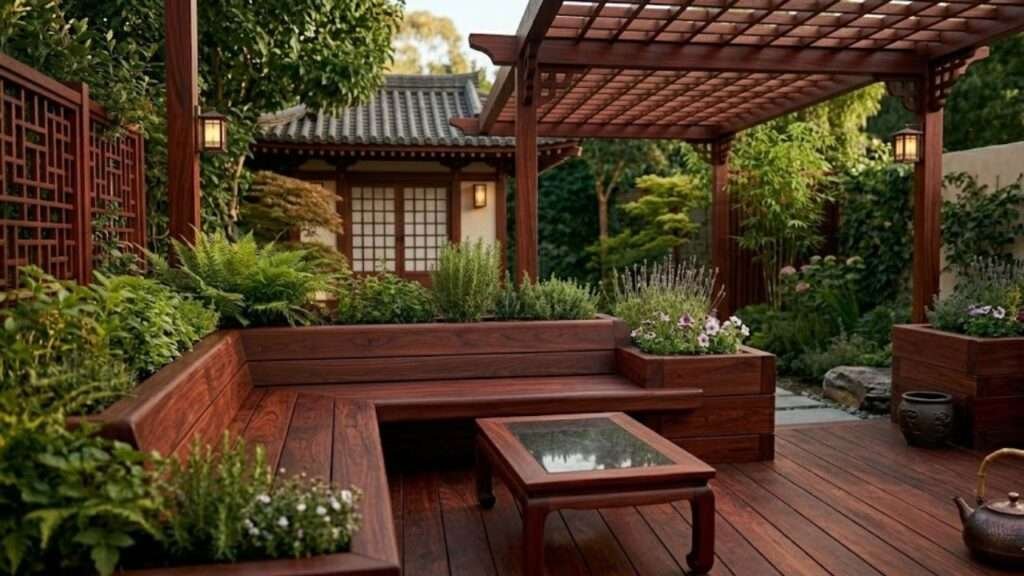
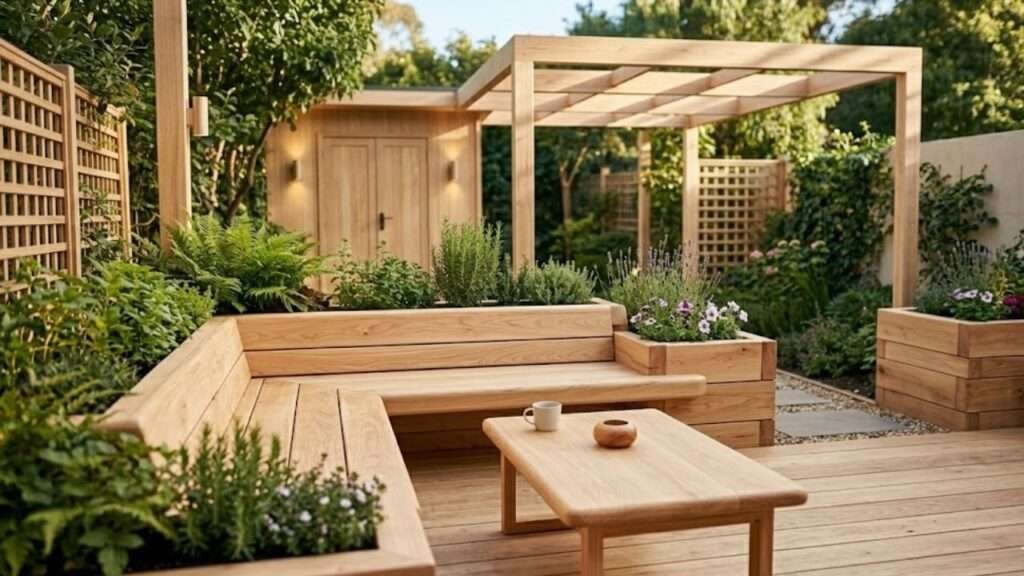
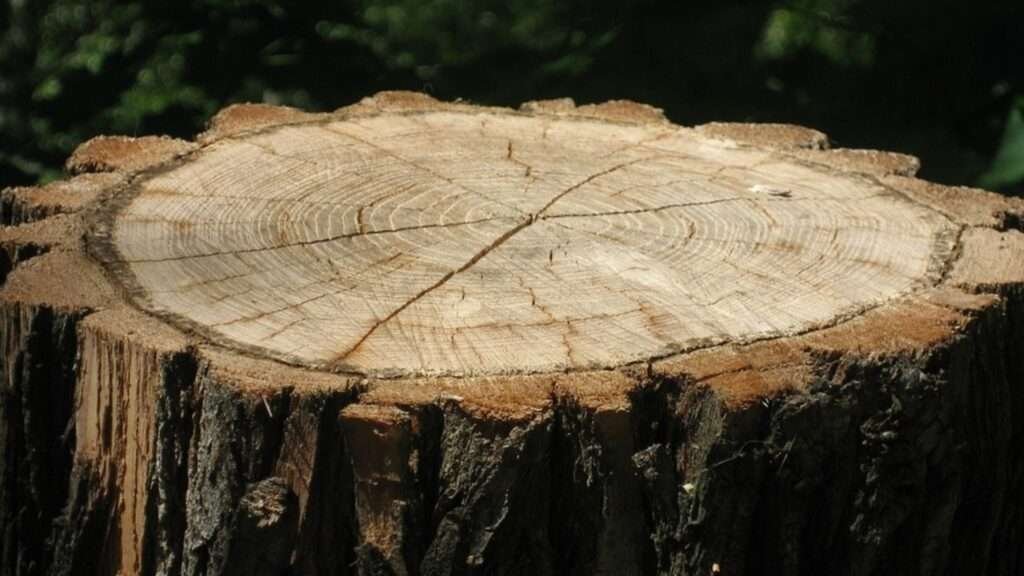
The natural beauty of wood is one of the strongest motivations for people who enjoy working with it. Timber displays a wide range of tones from pale cream to deep brown and its grain patterns can be subtle or dramatic.
These variations are formed through the growth of the tree and shaped by its environment. When woodworkers talk about the beauty of wood they are referring to these natural features that make each piece unique.
Each species behaves differently. Some woods are soft and easy to shape while others are dense and require more deliberate handling.
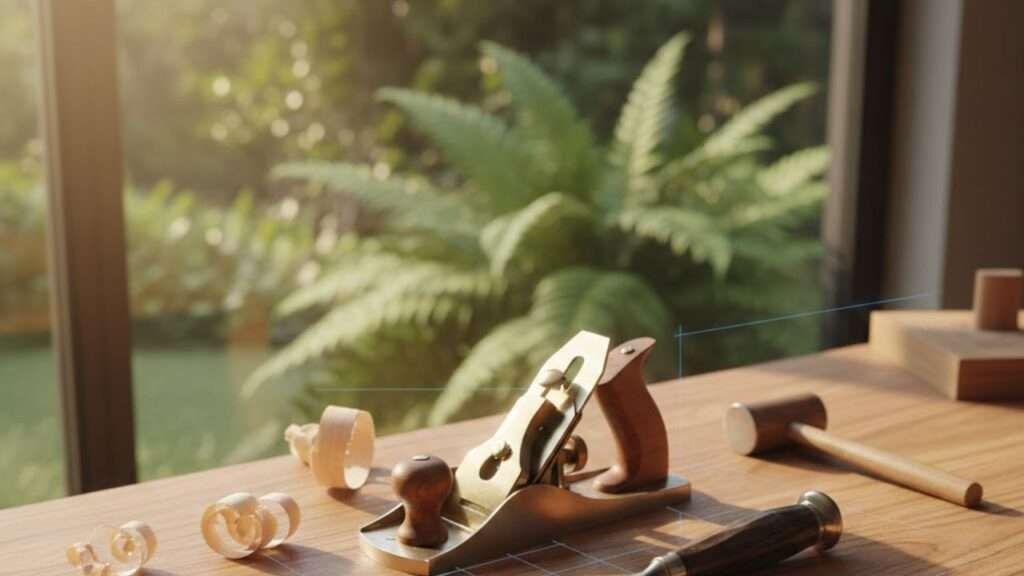
Grain direction affects how a tool moves through the timber and moisture content influences stability. Woodworkers learn to read these characteristics so they can work with the material rather than against it.
Designing to Highlight Natural Beauty.
The goal in many woodworking projects is to highlight the inherent beauty of the timber. This requires thoughtful design choices.
A simple form may allow a striking grain pattern to stand out. A more complex design may use contrasting species to create visual interest.
In both cases the woodworker aims to present the material in a way that feels honest and balanced. The best pieces are those where the design and the wood complement each other.
The Role of Finishing Techniques.
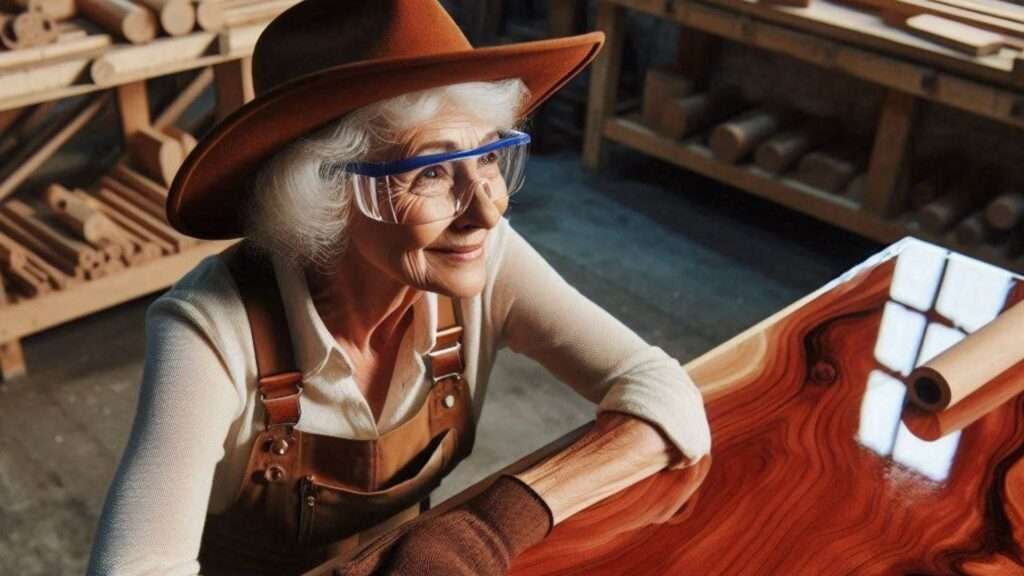
Finishing plays an important role in enhancing the appearance of wood. A well chosen finish protects the surface and brings out depth in the grain.
Oils penetrate the timber and enrich its colour. Varnish adds clarity and durability. Wax provides a soft natural sheen. Selecting the right finish depends on the species the intended use of the piece and the desired visual effect.
Finishing also reveals the true condition of the surface. Any unevenness or poorly executed joint becomes more visible once a finish is applied.
This is why careful preparation is essential. Sanding must be consistent. Edges must be clean. Joints must be tight. The finish does not hide imperfections. It highlights them.
The Satisfaction of Surface Preparation.
The process of preparing and finishing wood is often one of the most rewarding stages of a project. As the finish is applied the grain becomes more pronounced and the colours deepen. The piece begins to show its final character.
This transformation reinforces the value of patience and attention to detail. It also demonstrates how finishing is not an afterthought but an integral part of woodworking.
Exploring the Creative Possibilities of Wood.
Woodworking offers many creative directions. Some makers focus on clean modern lines that highlight the simplicity of the material.
Others explore sculptural forms or intricate patterns. Regardless of style the beauty of wood remains central.
Even small projects such as bowls trays or decorative panels can showcase the richness of the grain and the warmth of the timber.
Different species offer different visual qualities. Walnut provides deep chocolate tones. Maple offers pale smooth surfaces.
Oak displays strong grain lines. Cherry develops a rich patina over time. Exploring these differences helps woodworkers choose the right material for each project.
Working Responsibly With Natural Materials.
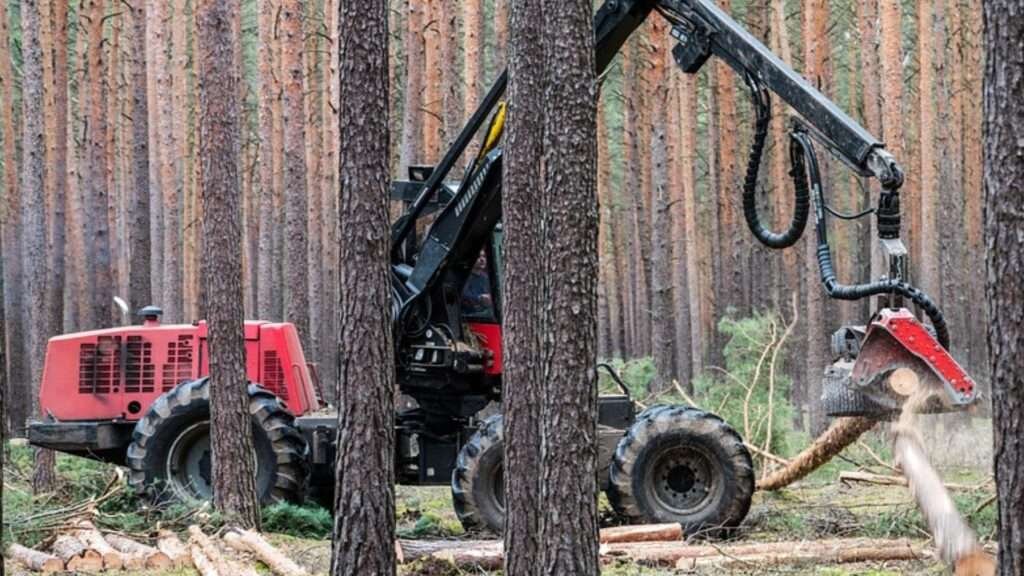
Sustainability is an important consideration. Many woodworkers choose responsibly sourced timber or reclaimed wood.
Reclaimed wood often carries marks of its previous life such as nail holes or weathered surfaces.
These features can add character and contribute to the story of the finished piece. Using wood thoughtfully ensures that the material is respected and valued.
Developing Skill and Confidence.
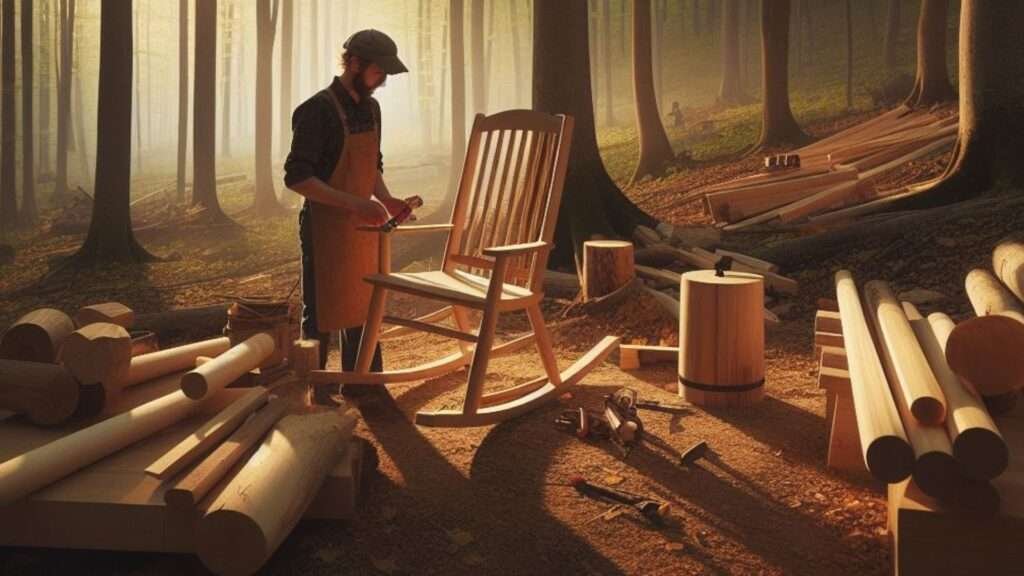
As skills develop woodworkers gain confidence in shaping the material to suit their vision. They learn how to control tools with precision how to join pieces securely and how to refine surfaces to a smooth finish.
These skills allow them to create objects that are both practical and visually appealing. The combination of craftsmanship and natural beauty is what makes woodworking so rewarding.
A Lifelong Creative Journey.
The journey of working with wood is ongoing. Each project teaches something new. Each piece of timber presents its own challenges and opportunities.
Over time woodworkers develop a deeper understanding of the material and a stronger sense of their own style. This progression is part of what makes woodworking a lifelong pursuit.
Celebrating the Beauty of Wood.
Beautiful wood deserves to be handled with care and intention. When woodworkers embrace the qualities of the material and refine their skills they create pieces that highlight the natural beauty of timber.
These objects bring warmth and character into homes and they stand as reminders of the value of craftsmanship.
Woodworking is not only about making things. It is about appreciating a material that has been part of human life for centuries and finding new ways to express its natural beauty.