Traditional Craft
Woodworking continues to hold a steady place in contemporary life and I think it always will, there’s something very special about it.
Its appeal comes from the way natural materials, thoughtful design, and quiet craftsmanship come together in the home.
The rhythm of shaping timber by hand offers a grounded counterbalance to fast digital routines.
A single board with a faint scent of resin can shift the atmosphere of a room and set the tone for a creative practice that feels both ancient and current.
A Living Tradition Shaped Across Generations.
Woodworking has evolved through centuries of practical use and cultural expression. Early joiners shaped tools from local hardwoods and passed down methods through apprenticeships.
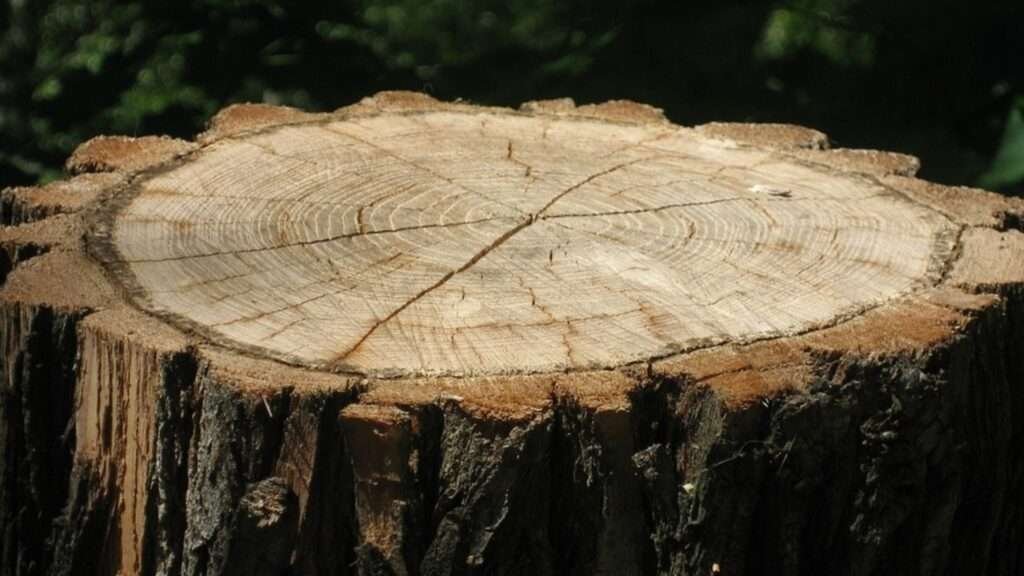
The grain patterns in old furniture pieces still reveal the slow growth of the trees that supplied them. Many home woodworkers today draw inspiration from these traditions while adapting them to smaller spaces and modern needs.
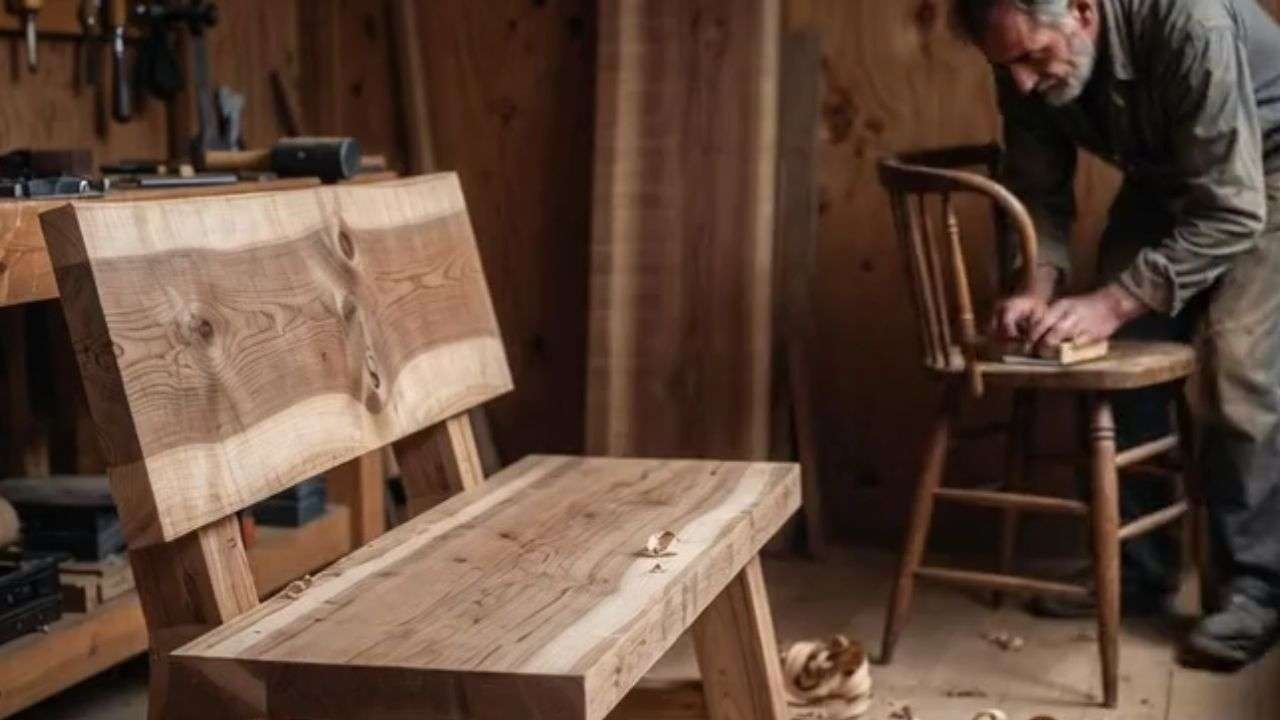
A simple bench built with hand cut joints can echo techniques used in earlier eras yet still feel suited to a contemporary living room.
The continuity between past and present gives the craft a quiet depth that is easy to appreciate during long sessions at the workbench.
Why Woodworking Remains a Popular Home Hobby.
The appeal of woodworking as a hobby comes from its blend of creativity and structure. A small project like a wall shelf can be completed in an afternoon while a larger cabinet may unfold over weeks.
Both offer a sense of progress that is easy to track through touch and sight. The scent of freshly planed pine or the smooth surface of oiled walnut adds a sensory dimension that many find calming.
Some hobbyists enjoy the way simple offcuts can become useful household items. Others appreciate the steady focus that comes from shaping a single component until it fits.
A nuanced observation is that the most satisfying projects are often the ones that take longer than expected because the extra time allows for more deliberate choices.
From Home Passion to Professional Pathways.
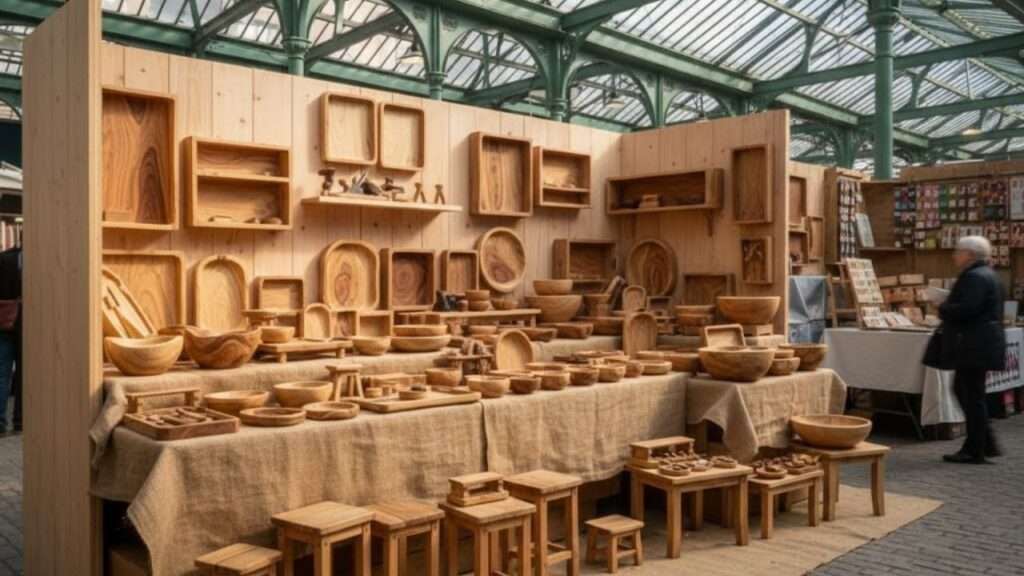
Many woodworkers begin with small personal projects before exploring ways to share their work. A set of handcrafted trays or a custom picture frame can become the foundation for a modest business.
Some sell through local markets while others use online platforms to reach wider audiences. The transition from hobby to profession introduces new considerations such as pricing, material sourcing, and consistent production.
A trade off appears when balancing creative freedom with the need to meet customer expectations. A woodworker who enjoys experimenting with unusual timbers may need to adjust designs to ensure reliable supply.
Even so the satisfaction of seeing a finished piece in a client’s home often outweighs the limitations.
Tools and Techniques That Support Skill Development.
A well chosen set of tools helps build confidence at the bench. Beginners often start with a block plane, a set of chisels, and a reliable saw.
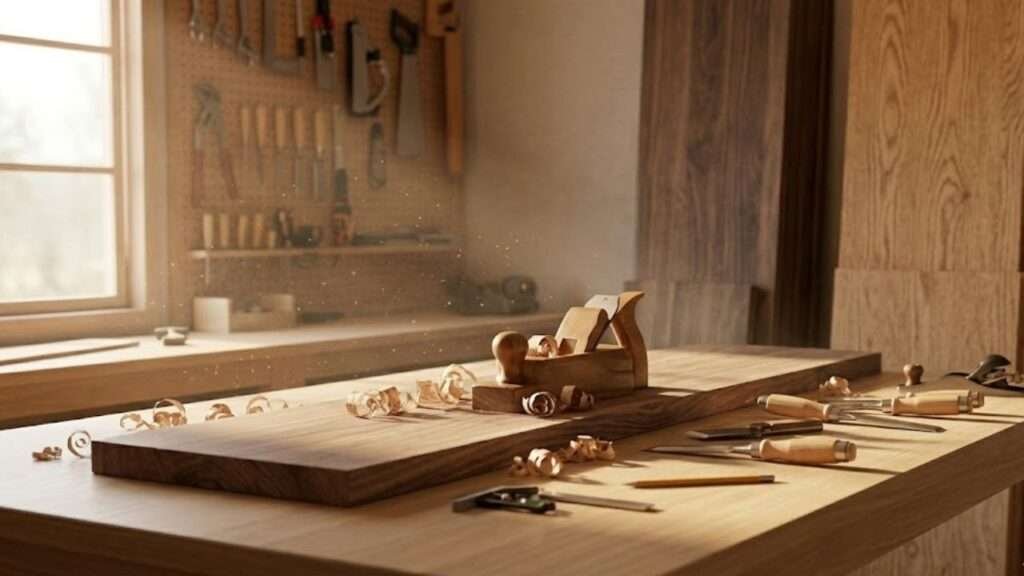
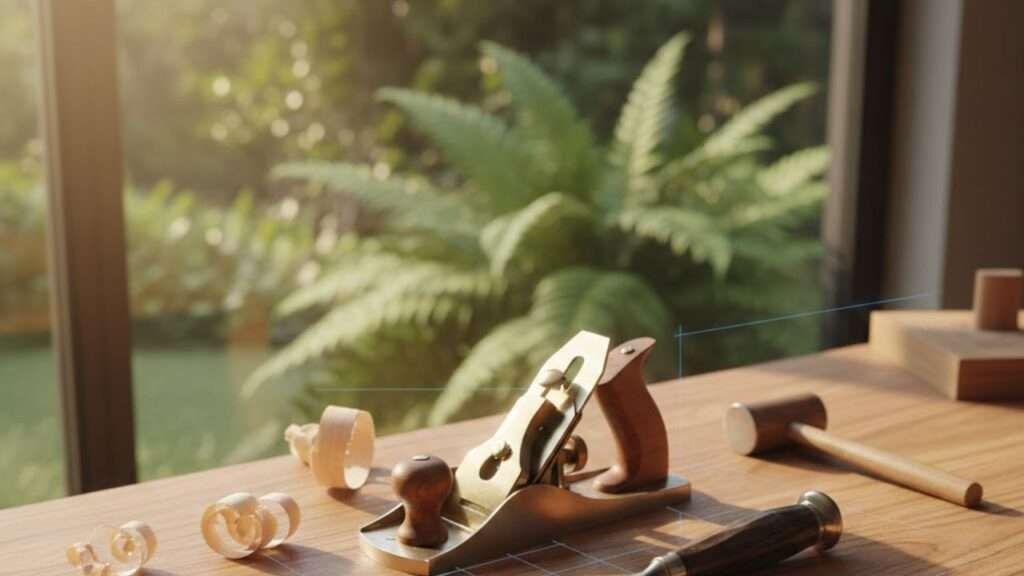
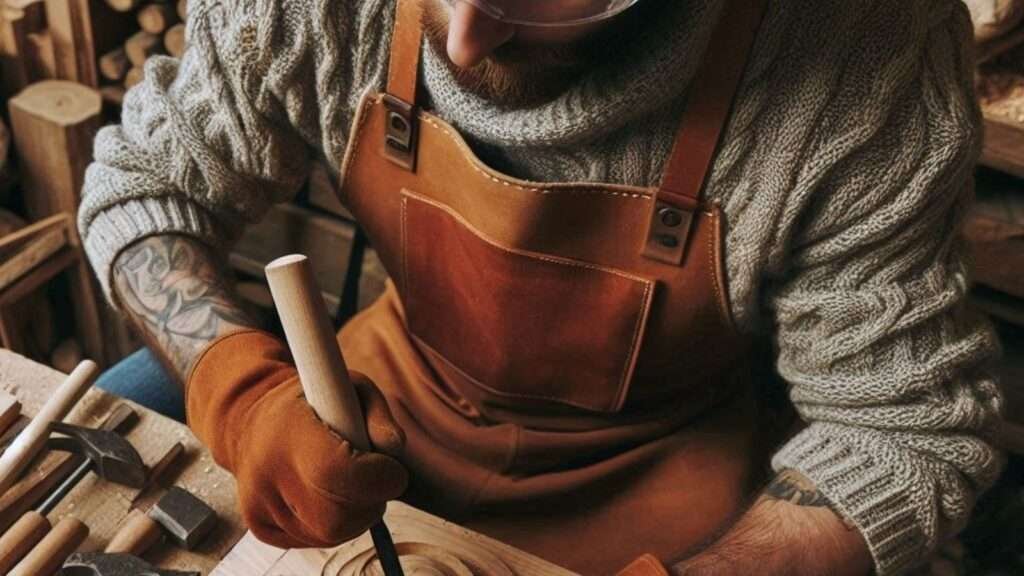
Each tool offers a distinct tactile experience. A freshly sharpened chisel glides through softwood with a quiet sound while a hand plane leaves thin curled shavings that fall to the floor.
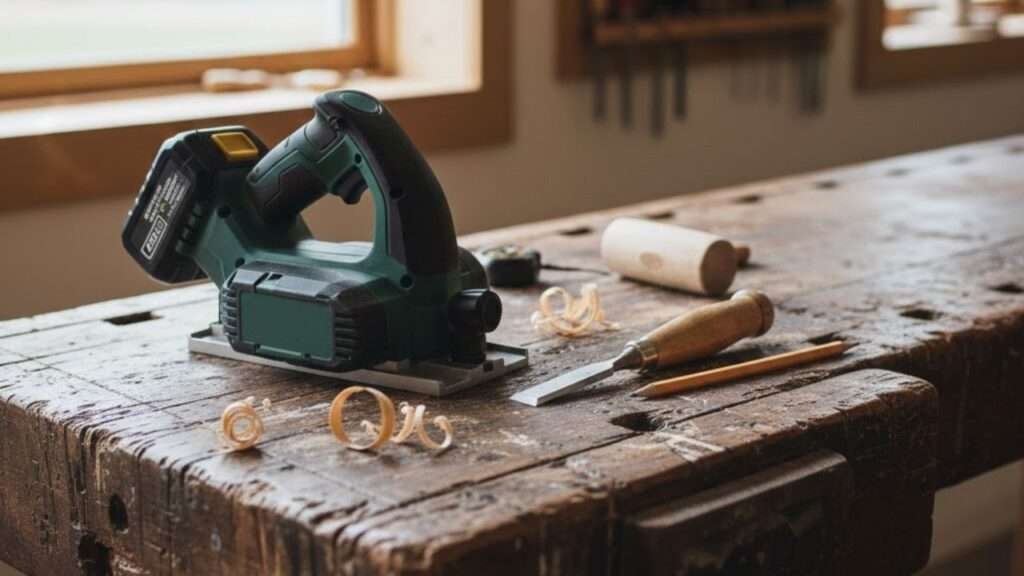
Learning to read grain direction becomes second nature over time. Joinery methods such as mortise and tenon or simple lap joints provide structure for many household projects. Some woodworkers prefer hand tools for their slower pace while others incorporate compact power tools for efficiency.
Both approaches can coexist in a small home workshop.
A reference table can help clarify the strengths of each tool type.
| Tool Type |
Typical Use |
Sensory Detail |
Benefit |
| Hand plane |
Smoothing surfaces |
Thin curled shavings |
Precise control |
| Chisels |
Cutting joints |
Clean crisp edges |
Versatile shaping |
| Handsaw |
Breaking down stock |
Steady rhythmic motion |
Quiet operation |
| Small power sander |
Surface preparation |
Fine dust texture |
Even finish |
Sustainable Practices in Contemporary Woodcraft.
Sustainability plays a growing role in modern woodworking.
Many home woodworkers choose locally sourced timber or reclaimed boards from older buildings.
A piece of recycled hardwood often carries marks that add character to new designs. Using natural finishes such as plant based oils supports a healthier indoor environment. Some makers keep offcuts for small accessories like coasters or drawer pulls.
This reduces waste and encourages creative problem solving. A nuanced point is that sustainable choices sometimes require more preparation time because reclaimed timber may need additional cleaning or flattening.
The extra effort often results in pieces with a distinctive presence.
Preserving Traditional Craft in a Changing World.
Traditional woodworking skills remain relevant even as tools and materials evolve. Techniques such as hand cut joinery or careful surface preparation help maintain a high standard of craftsmanship.
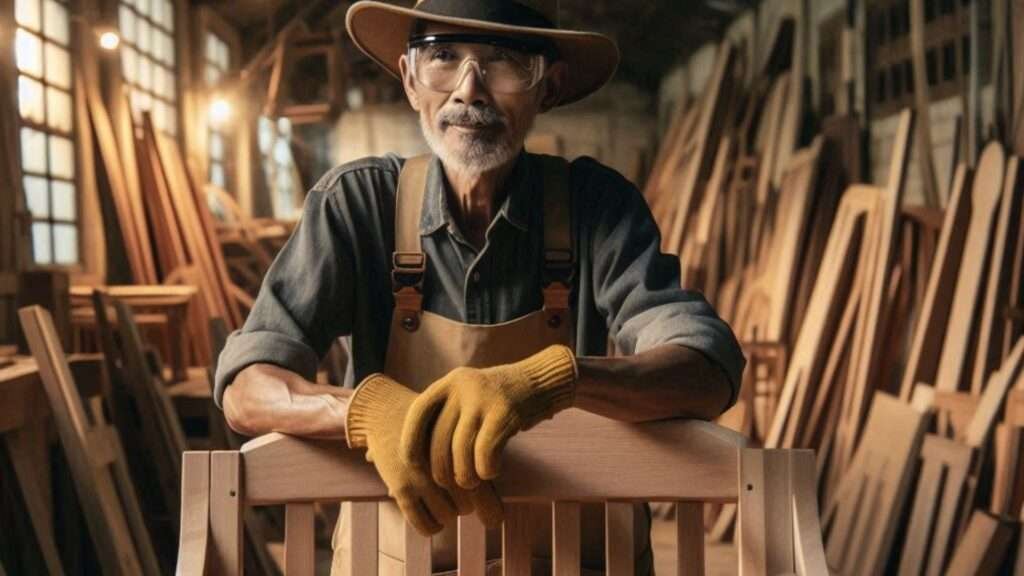
Many home woodworkers learn these methods through community classes or informal mentoring.
The sound of a plane moving across a board or the feel of a well fitted joint reinforces the value of patient practice.
These skills support a deeper connection to the material and encourage thoughtful design choices. The continuity of these traditions depends on regular use rather than formal preservation.
Bringing Woodworking Into the Home Environment.
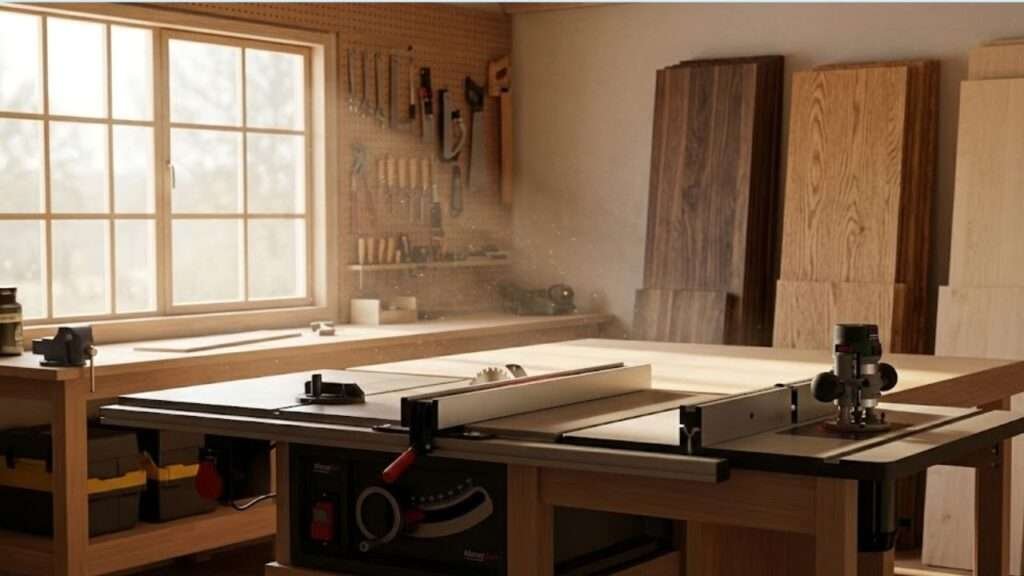
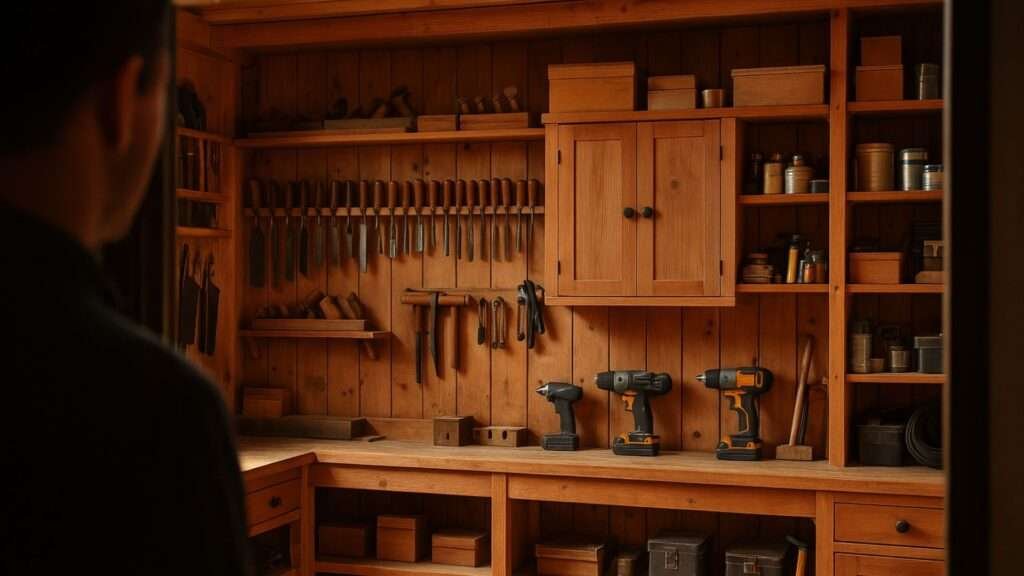
A home workshop does not require a large dedicated space.
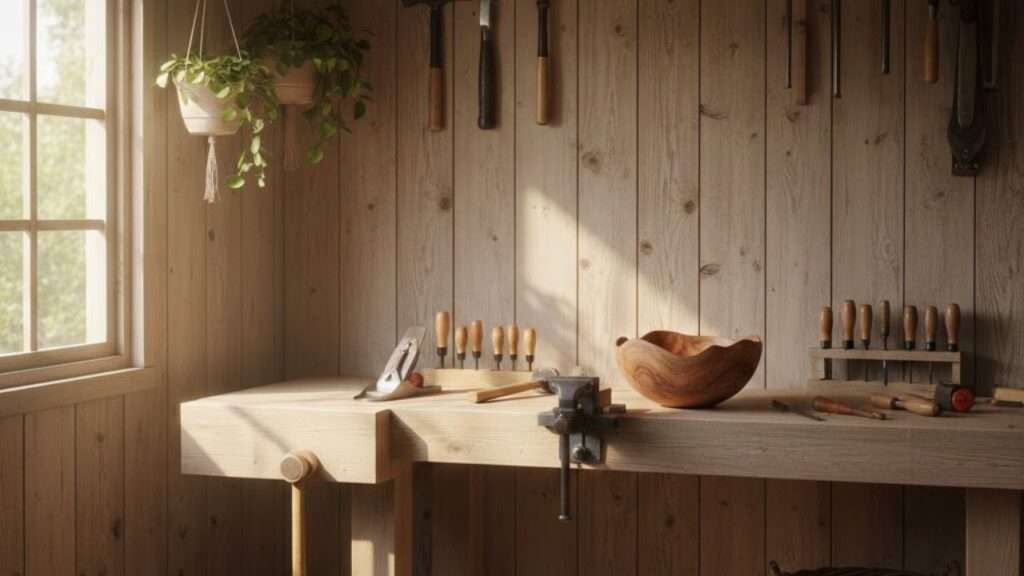
A small corner with a sturdy bench and good natural light can support many projects. The texture of raw timber stacked neatly against a wall can inspire new ideas. Some woodworkers keep a small box of sample offcuts to test finishes or explore new shapes.
The atmosphere of the workspace influences the pace of the craft.
A quiet morning with soft light across the bench often leads to steady progress while an evening session may focus on layout or planning.
The flexibility of the craft makes it easy to integrate into daily routines.
A Closing Reflection on Craft and Continuity.
Woodworking offers a steady path for creative expression and practical making. Its traditions provide structure while its materials invite personal interpretation.
A single board shaped with care can bring warmth to a room and satisfaction to the maker.
The craft continues to evolve through the hands of those who practice it at home and in professional settings. Its enduring appeal lies in the balance between skill, material and intention.