Creative Woodworking Projects
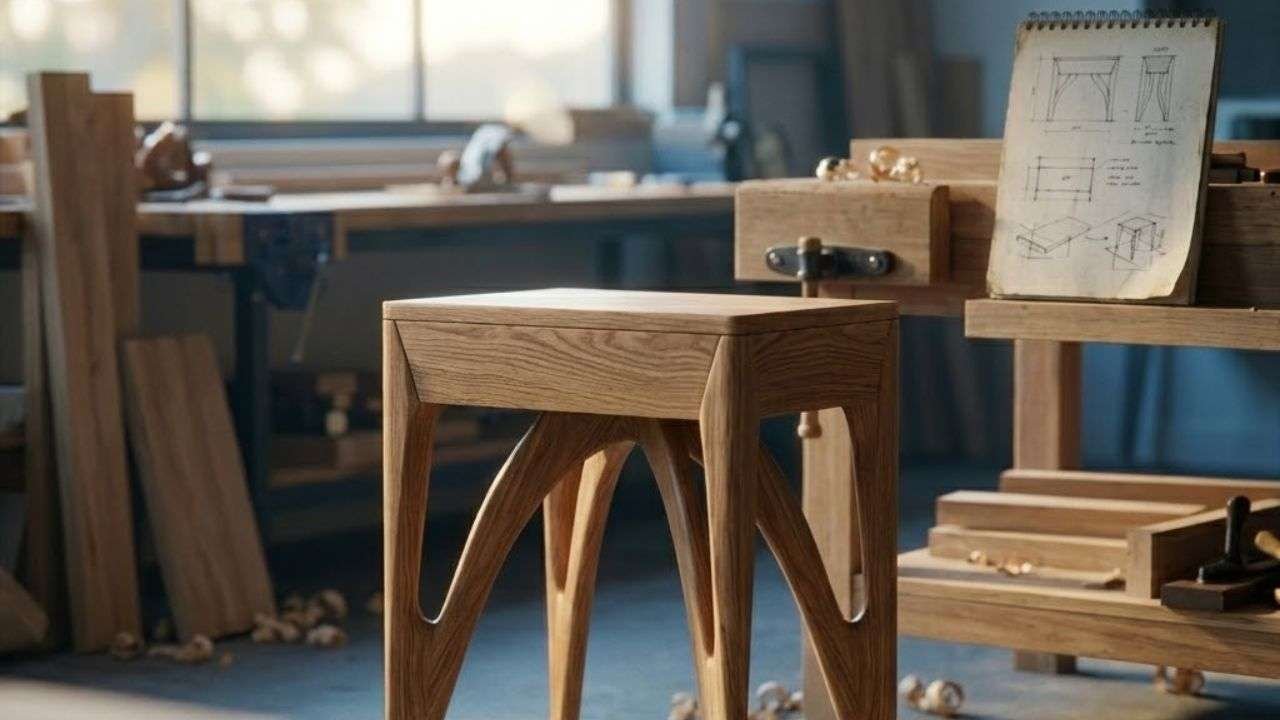
Creative woodworking sits at an interesting intersection of imagination and material truth. It invites experimentation yet remains grounded in the grain, weight and behaviour of timber.
The workshop becomes a place where ideas shift shape as the light moves across a board or a tool leaves an unexpected mark. This approach rewards curiosity and a willingness to let the work evolve.
Defining Creativity in Woodworking.
Creativity in woodworking often begins with a simple impulse.
A piece of timber with a ripple of figure can suggest a direction long before a design is fully formed.
Some woodworkers pursue sculptural forms while others explore functional innovation such as a compact hallway bench that doubles as a shoe rack.
There are also those who mix materials to create contrast. A slab of reclaimed hardwood paired with brushed metal legs can feel both familiar and new.
The spectrum is wide which is why the definition of creativity shifts from one workshop to another. A small tangential observation often arises here.
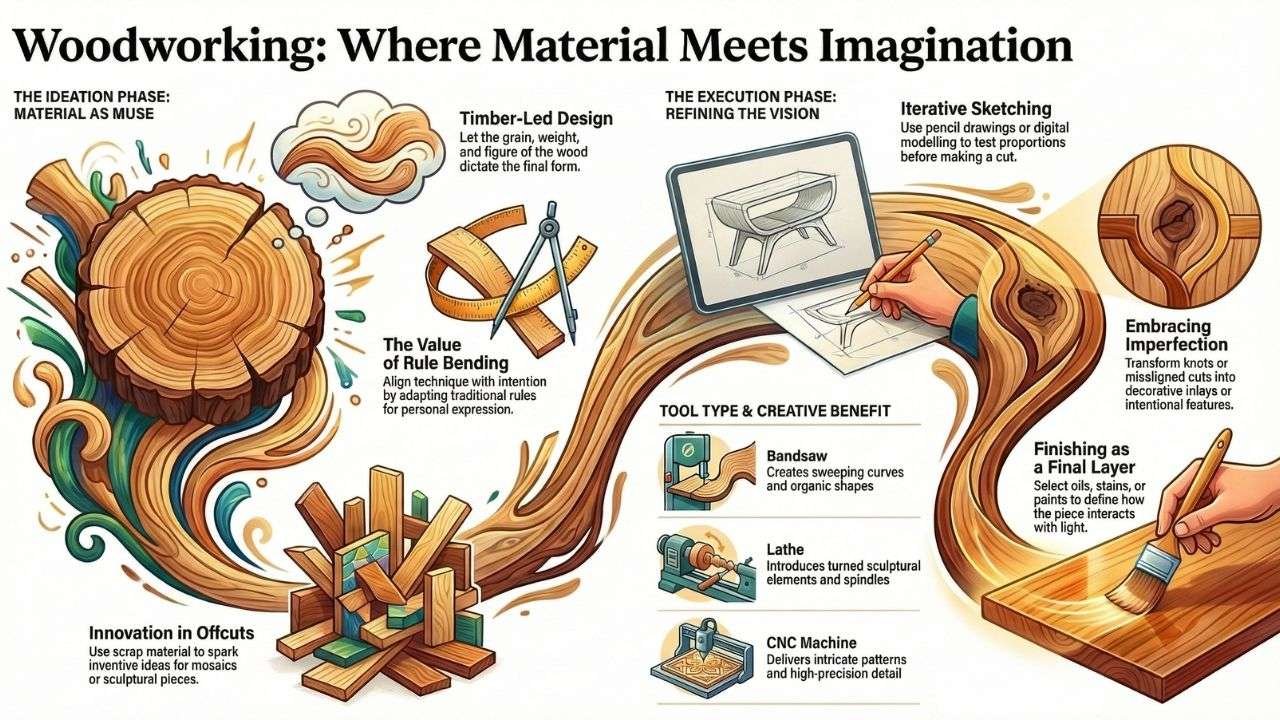
Many woodworkers discover that the most inventive ideas appear when sorting through offcuts rather than when planning a major build.
The Value of Rule Bending.
Traditional woodworking emphasises precision and historical continuity.
Creative woodworking moves differently. It allows a project to follow an unconventional path if that path serves the idea.
A maker might choose a simple mechanical joint for a painted cabinet because the visual focus lies elsewhere. This is not a shortcut.
It is a deliberate decision that aligns technique with intention.
The counter intuitive insight is that bending a rule can sometimes produce a more coherent result than following every convention.
A project gains personality when the maker understands which rules matter for structure and which can be adapted for expression.
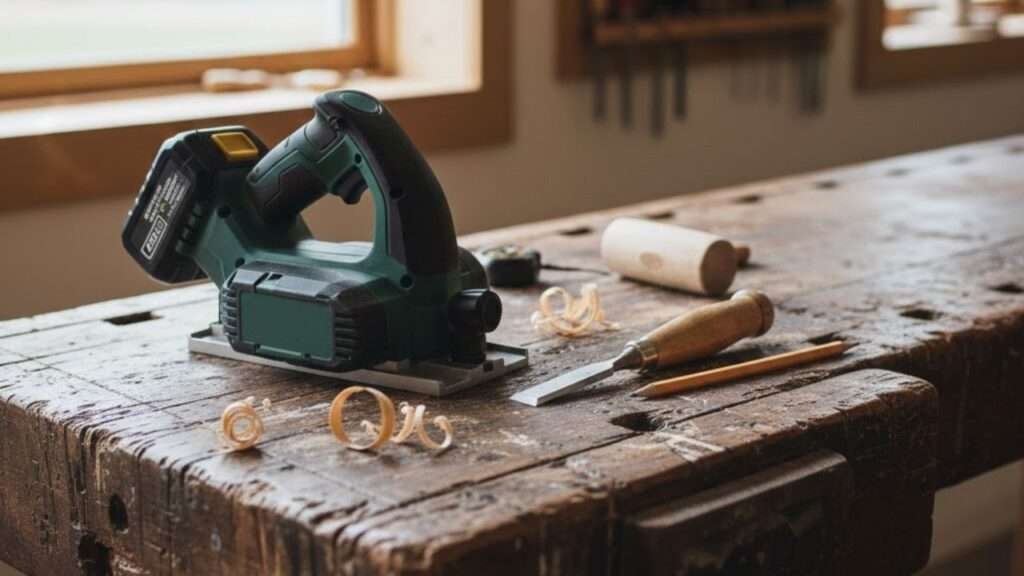
The sound of a plane taking a slightly deeper cut than expected can even prompt a new curve or profile.
Inspiration and the Role of Curation.
Ideas rarely appear in isolation. They come from the lines of a building seen during a morning walk or the pattern of branches against a window.
A narrow alcove in a living room might inspire a tall cabinet with asymmetrical shelves. A curved stone found in the garden might influence the shape of a table leg. Creative woodworking benefits from collecting these impressions.
Sketchbooks, photographs and small material samples help refine the direction. The process becomes a form of curation where the maker selects which influences to carry forward.
This selection shapes the final piece more than any single moment of inspiration.
Materials as a Source of Direction.
Timber has a way of guiding decisions. A board of spotted gum with a tight grain encourages crisp lines while a piece of sheoak with swirling figure suggests softer transitions.
Many creative projects begin with a single board that feels too interesting to cut into standard parts. Makers often let the wood dictate the form.
Scrap pieces also play a role. A collection of small offcuts can become a mosaic style cutting board or a sculptural wall piece.
The tactile experience of running a hand across a rough sawn surface often reveals possibilities that a drawing cannot capture.
The limitation is that unusual boards sometimes require more time to mill and stabilise which affects the project timeline.
Sketching and Visual Exploration.
Sketching provides a safe space for ideas to develop. A quick pencil drawing can capture the curve of a leg or the rhythm of slats on a bench. Digital tools offer another layer of exploration.
Simple modelling software allows the maker to test proportions before committing to a cut. Iteration is central to this stage.
A design might pass through several versions as the maker adjusts angles or experiments with negative space.
The sound of graphite on paper or the click of a mouse becomes part of the creative rhythm. This stage protects the project from premature decisions and encourages refinement.
Balancing Form and Function.
A creative project must still perform its intended role. A coffee table needs to support weight. A chair needs to feel stable when someone shifts their position.
The challenge lies in integrating structural requirements into the design without compromising the visual intent.
A support beam can become a feature rather than a hidden component.
A tapered leg can provide both elegance and strength if the taper is calculated with care. The grain direction also matters.
A leg cut with the grain running vertically will resist compression more effectively than one cut across the grain. This balance between form and function gives creative woodworking its depth.
Tools That Expand Possibility.
Certain tools open new avenues for expression. A bandsaw allows for sweeping curves that would be difficult to achieve with straight cuts.
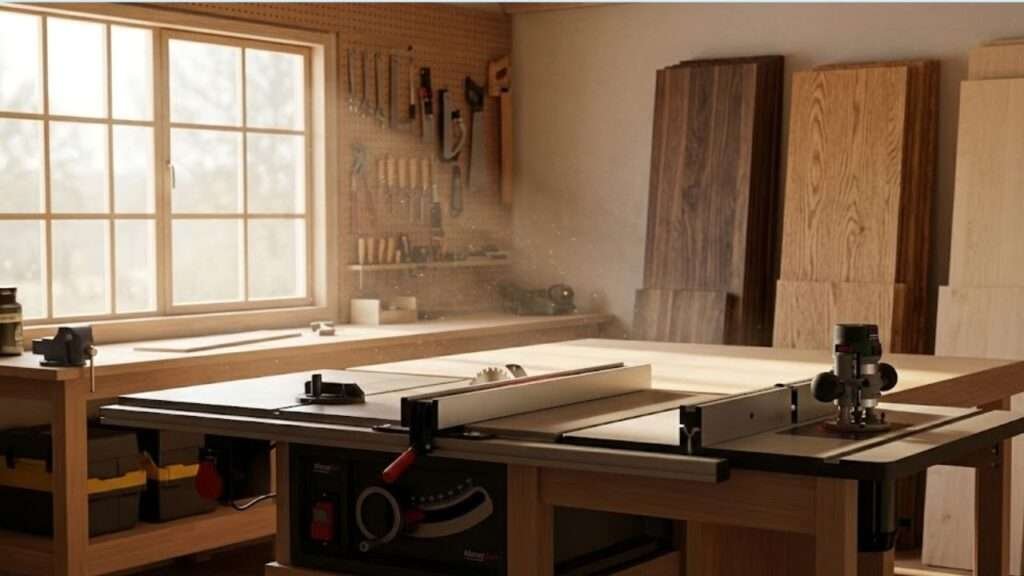
A lathe introduces the possibility of turned elements such as bowls or sculptural spindles. A router fitted with a pattern bit can replicate shapes with precision. Pyrography tools add surface detail through controlled heat.
CNC machines offer intricate patterns that would take many hours by hand. Each tool brings a different texture or capability.
The hum of a lathe or the steady vibration of a router can influence the pace of the work and the direction of the design.
Embracing Unexpected Outcomes.
Creative woodworking often involves moments where the material behaves unpredictably. A knot might reveal itself during planing or a grain reversal might cause tear out. Instead of discarding the piece the maker can incorporate these features into the design.
A small void can be filled with a contrasting timber insert. A misaligned cut can become a decorative inlay. These decisions require adaptability.
The workshop becomes a place where unexpected outcomes are not setbacks but opportunities. The scent of freshly cut timber often softens the frustration and encourages a more flexible mindset.
Finishing as a Design Layer.
The finish determines how the wood interacts with light. A natural oil can deepen the colour of jarrah while leaving the texture intact.
A pigmented stain can introduce a bold tone that shifts the character of the piece. Milk paint creates a matte surface that highlights subtle imperfections in a way that feels intentional.
High gloss finishes reflect the environment and emphasise clean lines. Cerusing brings out the grain in open pored species such as oak.
The choice of finish becomes part of the creative process. It is the final layer that ties the design together.
Closing Perspective.
Creative woodworking thrives on curiosity and a willingness to explore.
It respects the nature of timber while allowing ideas to evolve through sketching, shaping and finishing.
The workshop becomes a place where materials, tools and imagination meet. Each project offers a chance to refine technique and discover new possibilities.