
Make Your Own Classical Guitar
Make Your Own great Classical Guitar Building your own wooden classical style guitar can be a great fun and rewarding […]
Make Your Own Classical Guitar Read More »
Creative Woodwork, Woodwork Types
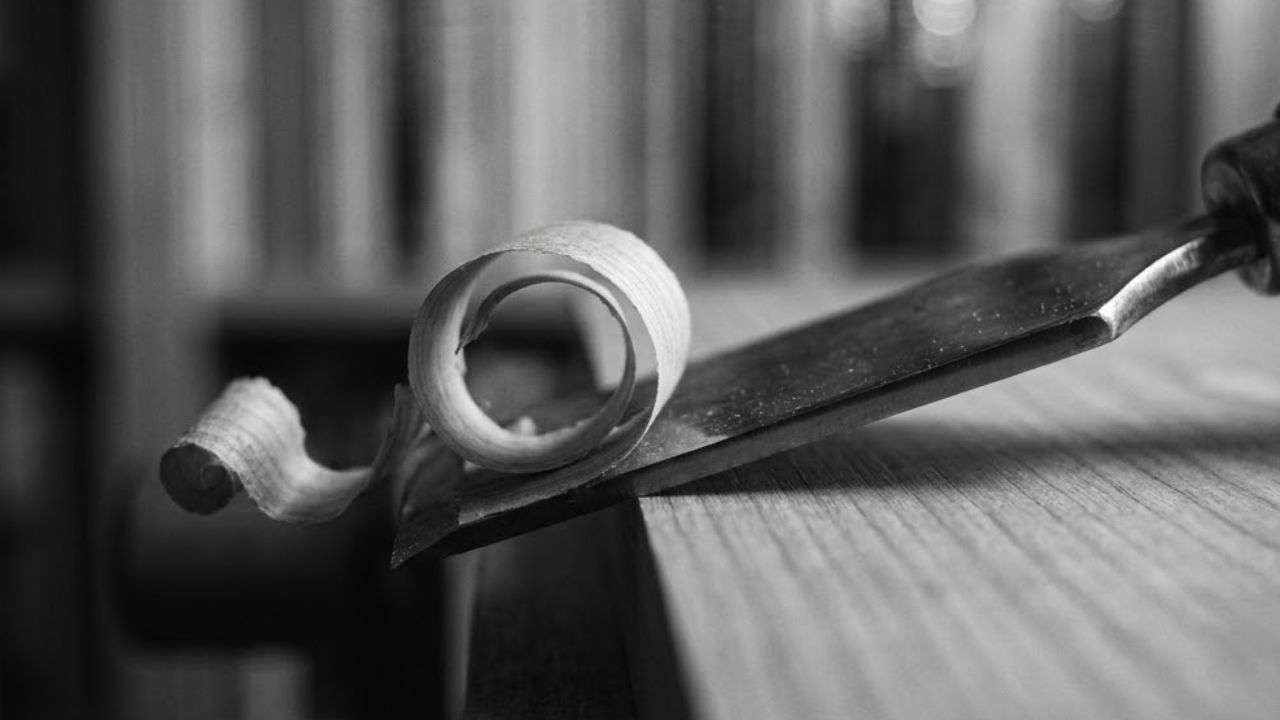
Fine woodworking skills grow from a steady relationship with doing the work and using the various materials.
The work slows the room a little. Light falls across a board. A plane iron lifts a thin shaving that curls in a quiet arc.
Skill develops in these moments when attention settles on the wood itself rather than the pace of the project. Articles relating to this tag will explore the habits and disciplines that shape long term capability in fine woodworking, moving from foundational understanding to the advanced mindset that supports consistent craftsmanship.
The Philosophy of Material Understanding.
Fine woodworking begins with the character of the timber. Each species carries its own behaviour. Hardwoods like jarrah or maple resist the tool differently from softwoods like radiata pine.
Open grain timber such as ash absorbs finish unevenly while closed grain timber like cherry produces a smoother surface with less effort.
These differences become clear when a plane passes across the board and the shaving changes thickness or texture. The wood is telling the worker how it wants to be approached.
Wood movement is another constant presence. Boards expand and contract with seasonal humidity. A panel that fits perfectly in winter may bind in summer if the joinery does not allow for movement.
This is not a flaw in the material. It is a natural response to moisture. Reading the grain direction is equally important.
A board with reversing grain can tear out under a plane unless the cut is adjusted or the tool is set for a finer shaving. The surface under the fingertips reveals these details long before the finish is applied.
A small tangential observation often arises when selecting timber.
Two boards from the same tree can behave differently. One may plane smoothly while the other feels slightly brittle. This variation reminds the worker that wood is not a manufactured product. It is a natural material with its own history.
The Non Negotiable Importance of Sharpening.
Sharp tools define the quality of fine woodworking. A chisel that glides through end grain or a plane that leaves a reflective surface depends on a polished edge. Sharpening is not a task to complete quickly.
It is a discipline that shapes every other skill. Water stones provide a tactile sense of progress as the slurry builds. Diamond plates offer consistency and speed. Both systems can produce a razor edge when used with care.
The ruler trick is a small technique that has a large impact. By lifting the back of the blade slightly on a thin ruler during polishing the worker creates a micro bevel that speeds up future sharpening.
This method reduces the time spent flattening the entire back of the blade. It is a counter intuitive insight because it seems to add a step yet it simplifies the process over the long term.
A practical limitation appears when sharpening becomes too frequent.
Over sharpening removes steel unnecessarily and shortens the life of the tool.
The goal is not constant perfection. It is reliable sharpness that supports clean work.
Mastering the Big Three Hand Tools.
Three hand tools form the backbone of fine woodworking. The bench plane, the chisel and the hand saw each contribute a different type of precision.
A well tuned bench plane flattens a board with a sound that shifts as the surface becomes true. The mouth opening, blade projection and sole flatness all influence the quality of the cut.
When the plane is set correctly the shaving emerges as a continuous ribbon that feels warm and slightly waxy between the fingers.
Chisels provide control in tight spaces. Paring the walls of a mortise or cleaning the baseline of a dovetail requires a steady hand and a sharp edge.
The feedback through the handle tells the worker when the grain is changing direction. A chisel that skates across the surface rather than biting in signals that the angle or pressure needs adjustment.
Hand saws for dovetails or carcass work demand accuracy in the first stroke. The saw plate should track the knife line without wandering. A fine set on the teeth reduces friction and produces a cleaner kerf. The sound of the saw cutting dry hardwood is distinct from the softer tone of pine. This auditory detail helps the worker maintain rhythm.
The Art of Layout and Measurement.
Precision in fine woodworking comes from layout rather than numbers.
Tape measures introduce small errors that accumulate across a project. Marking gauges, combination squares and knife walls provide direct reference from one component to another.
A knife line creates a physical boundary that guides the chisel or saw. It also produces a crisp edge that improves the final fit.
Transfer measurements allow the workpiece to dictate the dimension. When fitting a drawer to a cabinet the sides are marked directly from the opening rather than relying on a ruler.
This approach reduces variation and aligns the parts naturally. The grain pattern on the board often influences the layout. A knot or curl may shift the placement of a joint to preserve strength or appearance.
A short table clarifies the role of common layout tools.
| Tool | Primary Use | Sensory Feedback | Typical Application |
| Marking Gauge | Scribing parallel lines | Light scratch on the surface | Tenons and dados |
| Combination Square | Checking and marking angles | Firm registration against the edge | Joinery alignment |
| Marking Knife | Creating precise cut lines | Crisp tactile boundary | Dovetails and shoulders |
Foundational Joinery.
Joinery defines the structural integrity of fine furniture. The progression from simple to complex joints builds confidence and accuracy.
A butt joint introduces alignment. A dado or rabbet adds mechanical support. Mortise and tenon joints form the framework of tables and chairs.
The fit of the tenon into the mortise is revealed by the sound it makes when pressed together. A gentle pop indicates a well matched pair.
Dovetails remain a benchmark of craftsmanship. Cutting them by hand requires attention to grain direction, saw angle and chisel control.
The pins and tails should slide together without force. The end grain pattern becomes a visual record of the worker’s technique. A small variation in spacing can add character without compromising strength.
A practical trade off appears when choosing between hand cut and machine cut joinery. Hand cut joints offer greater control over the final fit but require more time. Machine cut joints increase efficiency but may lack the subtle irregularities that give handmade work its appeal.
The Tuning of Stationary Power Tools.
Even woodworkers who prefer hand tools rely on stationary machines for initial milling. A jointer with tables that are not coplanar will introduce twist into a board. A planer with dull blades leaves ridges that require extra surface preparation.
The fence on a table saw must be square to the blade to produce accurate rips. These adjustments are not glamorous yet they determine the quality of every subsequent step.
The sound of a well tuned machine is steady and even. A slight vibration or change in pitch suggests misalignment.
Dust patterns on the floor can reveal how the stock is feeding through the machine. These small observations help maintain consistency.
A nuanced insight emerges when tuning machines. Perfect alignment is not always necessary. What matters is predictable behaviour.
A machine that is slightly out of square but consistently so can still produce accurate work when the worker understands its tendencies.
Surface Preparation to 220 Grit.
Surface preparation shapes the tactile experience of the finished piece. The journey to 220 grit is not a race through sandpaper.
It is a sequence of refining the surface. A cabinet scraper removes tear out that sandpaper cannot reach.
The sound of the scraper cutting cleanly is a soft whisper. When the edge dulls the sound becomes harsher and the shavings turn to dust.
Working through grits systematically prevents deeper scratches from showing under finish. Each step removes the marks from the previous grit.
Skipping a grit may seem efficient but often leads to more work later.
The fingertips detect imperfections long before the eye sees them. Running a hand across the surface under raking light reveals subtle ridges or low spots.
The Science of Adhesives and Clamping.
Adhesives play a central role in joinery. Hide glue offers reversibility and a warm working texture. PVA provides strong bonds for general use.
Epoxy fills gaps and adheres to oily woods. Each adhesive interacts with the wood differently. The smell of hide glue warming in a small pot is distinct and signals its readiness.
Clamping strategy determines whether a joint closes cleanly. Pressure must be distributed evenly. Too much pressure can starve the joint of glue.
Too little leaves gaps. Cauls help align panels during glue ups. The squeeze out along the seam indicates proper coverage. A joint that slides under pressure suggests the need for better registration surfaces.
Finishing as a Separate Discipline.
Finishing transforms the surface into something the hand wants to touch. Raising the grain before applying water based finishes prevents roughness.
Film building finishes like polyurethane create a protective layer while penetrating oils enhance the natural colour of the wood. The smell of an oil finish soaking into walnut is a familiar part of the process.
French polishing requires patience and a steady rhythm. Wipe on varnish offers a more forgiving approach. The key is preparation.
A surface that is not properly sanded or scraped will reveal imperfections under the finish. Light reflecting across the grain highlights the quality of the work.
The Jig Maker’s Mentality.
Jigs extend the capability of the workshop. A shooting board ensures square ends. A cross cut sled improves accuracy on the table saw.
A dovetail guide supports consistent angles. Building these jigs develops problem solving skills. The plywood offcuts stacked in the corner often become the foundation for new fixtures.
The jig maker’s mentality encourages experimentation. A small adjustment to a fence or stop block can improve repeatability.
This mindset shifts the focus from buying solutions to creating them. It also reinforces the idea that fine woodworking is a craft shaped by thoughtful processes rather than tools alone.
Closing Section.
Fine woodworking skills develop through steady practice and close attention to the material. Each discipline builds on the last.
The work becomes more refined as the worker learns to read the wood, tune the tools and trust the process. The workshop becomes a place where skill grows quietly through repeated contact with timber, light and simple tools.
Make Your Own great Classical Guitar Building your own wooden classical style guitar can be a great fun and rewarding […]
Make Your Own Classical Guitar Read More »
Creative Woodwork, Woodwork Types