How Woodwork Has Intertwined With Our Lives
How Woodwork Has Intertwined With Our Lives Read More »
Artistic Woodwork, Creative Woodwork, House Woodwork, Traditional Craft, Woodwork Stories

Woodworking sits at an unusual intersection of craft and daily rhythm. It offers a way to shape material that already carries its own quiet history.
A board with a pale grain line or a knot softened by age can shift the pace of a day. Many people enter the craft through a single project then discover that the work changes how they move through their homes and how they think about time. The shift is subtle yet steady.
It becomes a way of living rather than a pastime.
Understanding Woodworking as a Lifestyle Choice.
People often describe woodworking as a hobby yet the experience rarely stays contained within that category.
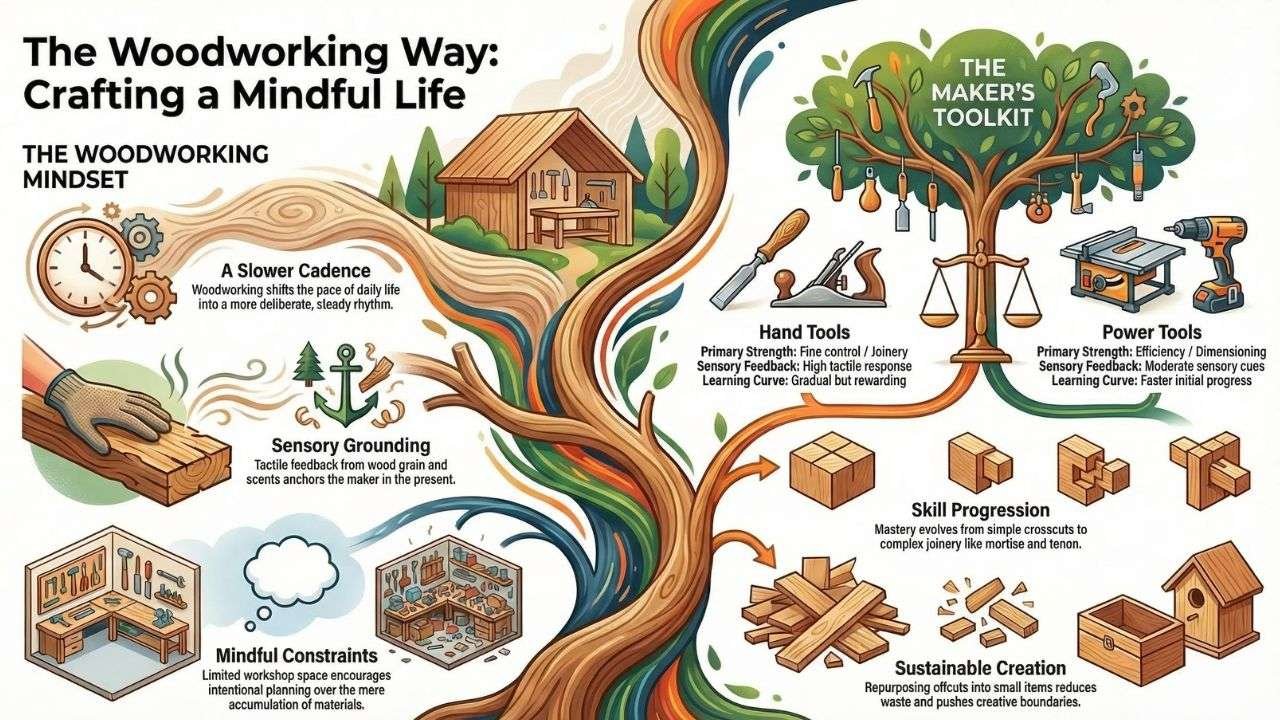
The act of planing a board or fitting a joint introduces a slower cadence that influences the rest of life.
The scent of freshly cut pine can linger in a room long after the tools are put away. That sensory presence has a grounding effect. It encourages a deliberate approach to tasks that might otherwise feel rushed.
A nuanced observation emerges once someone has spent enough hours at the bench. The work does not only build objects. It builds a sense of orientation.
Many crafts offer satisfaction yet woodworking has a particular way of shaping attention. The grain pattern forces the maker to respond rather than impose.
This dynamic surprises people who expect the craft to be purely assertive.
There is a practical limitation that becomes clear early in the journey. Space matters. A small corner of a garage can support meaningful work yet it restricts the scale of projects.
This constraint becomes part of the lifestyle. It encourages careful selection of materials and thoughtful planning rather than accumulation.
Essential Tools and Techniques for Enthusiasts.
The first tools a woodworker chooses often determine the character of their early projects. A sharp block plane, a reliable marking gauge and a set of chisels can carry a person through many stages of learning.
The weight of a chisel in the hand or the smooth glide of a plane across a board provides immediate feedback. These tactile cues help develop skill long before advanced techniques enter the picture.
Beginners often expect power tools to accelerate progress. They do in some cases yet hand tools offer a different form of control.
The contrast between the two approaches becomes clearer with experience. A hand saw allows the user to feel the fibres of the wood shift under the teeth. A table saw delivers precision at speed. Each method has its place.
The following table outlines a practical comparison that helps new woodworkers decide how to balance their tool choices.
| Tool Type | Primary Strength | Typical Use | Sensory Feedback | Learning Curve |
| Hand Tools | Fine control | Joinery and shaping | High tactile response | Gradual but rewarding |
| Power Tools | Efficiency | Cutting and dimensioning | Moderate sensory cues | Faster initial progress |
Techniques evolve as confidence grows. A person might begin with simple crosscuts then move toward dovetails or mortise and tenon joints.
The sound of a chisel tapping into hardwood or the faint curl of a shaving from a plane becomes part of the learning environment. These details anchor the craft in physical reality.
Integrating Woodworking into Daily Life.
Woodworking fits naturally into daily routines once the initial learning curve settles. A short session at the bench can reset the mind after a demanding day.
The grain of a piece of cedar or the smooth surface of sanded beech can shift attention away from external pressures.
This effect is not abstract. It comes from the physical engagement with material that responds to touch.
Some people keep a small tray of offcuts near their bench. The pieces vary in texture and weight. Running a hand across the surface of a scrap of oak can be enough to reorient focus.
This small habit becomes a quiet ritual. It is a tangential detail yet it illustrates how woodworking integrates into life beyond formal projects.
The craft also encourages creative thinking. A person might notice a narrow shelf in the kitchen that could benefit from a custom solution.
The idea forms during a morning coffee then becomes a weekend project. This pattern reinforces a sense of capability that extends beyond the workshop.
Connecting with Other Woodworkers.
Community forms naturally around woodworking. Local clubs often meet in community halls where the scent of sawdust mixes with the faint aroma of brewed tea. These gatherings provide a place to share techniques and compare approaches. A single conversation about the feel of a well tuned plane can lead to a deeper exchange about design choices or timber selection.
Online forums offer a different rhythm. They allow people to post images of projects or ask questions about joinery challenges.
The asynchronous nature of these spaces suits those who work irregular hours. A person might upload a photo of a walnut box in the evening then return the next morning to find thoughtful responses.
Collaborative projects add another dimension. Two or more woodworkers might build a shared piece for a community space.
The process reveals differences in technique that become opportunities for learning. The sound of multiple tools working in harmony creates an atmosphere that feels distinct from solitary work.
Sustainable Practices in Woodworking.
Sustainability has become a central consideration for many woodworkers.
The choice of material influences both the environmental impact and the character of the finished piece.
Reclaimed timber carries marks from its previous life. A beam with nail holes or weathered edges can become a tabletop with a story embedded in its surface. The tactile quality of aged wood often appeals to those who value authenticity.
Eco friendly methods extend beyond material selection. Offcuts can be repurposed into small items such as drawer pulls or decorative accents.
This practice reduces waste and encourages creative problem solving. A small box made from leftover jarrah can feel more satisfying than a larger project built from new stock.
There is a counter intuitive insight that emerges when working with sustainable materials. Constraints often increase creativity.
Limited access to wide boards or rare species pushes the maker to design with intention. The result is often more refined than a project built without boundaries.
The Evolving Relationship with Craft.
As woodworking becomes part of daily life the relationship with tools and materials shifts. A person might begin to notice subtle differences in timber species that once seemed identical.
The warm tone of spotted gum or the pale surface of birch becomes familiar. These observations accumulate over time and shape the maker’s preferences.
The craft also influences how people view their homes. A simple shelf or a hand shaped stool can change the atmosphere of a room.
The presence of handmade objects introduces a sense of continuity. It reflects the hours spent shaping material into something useful.
There is a practical trade off that becomes clear as projects grow in complexity. Time becomes a limiting factor.
A detailed piece requires sustained attention. This reality encourages woodworkers to choose projects that align with their available hours rather than overcommitting. The decision is not restrictive. It supports a balanced lifestyle.
Closing Reflections.
Woodworking offers a way to engage with material that rewards patience and curiosity. It becomes a steady presence that shapes how people approach their days.
The craft encourages attention to detail and appreciation for natural texture. It also builds a sense of connection with others who share the same interest. The lifestyle that forms around woodworking is not defined by productivity. It is defined by the quiet satisfaction of shaping something with intention.
The Many Ways Of Putting Your Skills To Work The quiet rhythm of our backyard woodshops (our sheds or garage
Your Woodwork Skills Can Serve The Community Read More »
Traditional Craft, Woodwork Abilities, Woodwork Stories, Woodwork Types, Your Woodshop
Some Good Reasons For Embracing Power Tools. Woodworking has long been associated with slow and deliberate craftsmanship shaped by hand
Power Tools Are Your Gateway To Creation Read More »
Traditional Craft, Woodwork Abilities, Woodwork Tools
Getting Started Without Breaking the Bank Beginning a woodworking journey becomes more enjoyable when the tools feel solid in the
Start Your Woodwork Journey With Affordable Quality Tools Read More »
Traditional Craft, Woodwork Abilities, Woodwork Tools
Reimagining Life With Rural Space And A Nice Big Shed There is a moment many people reach when standing in
The Woodworking Journey To Reimagine Life With A Proper Shed Read More »
Brand New Shed, Building Industry Tips, House Updates, Your Woodshop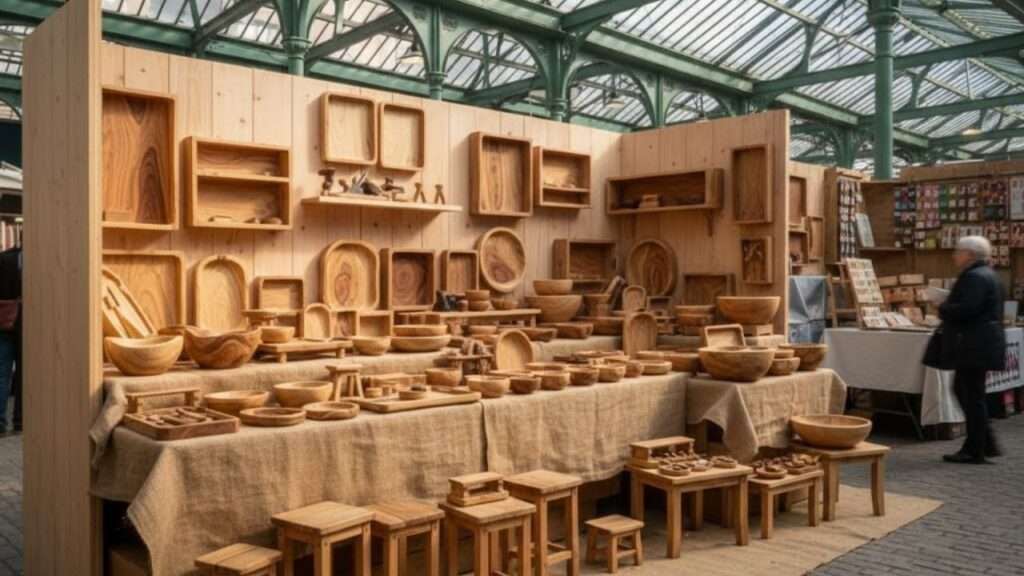
From Your Shed To The Market Stall Woodworking offers a calm and creative way to work with natural materials while
Sell Woodwork Projects At The Weekend Markets Read More »
Artistic Woodwork, Creative Woodwork, Traditional Craft, Woodwork Abilities, Woodwork Types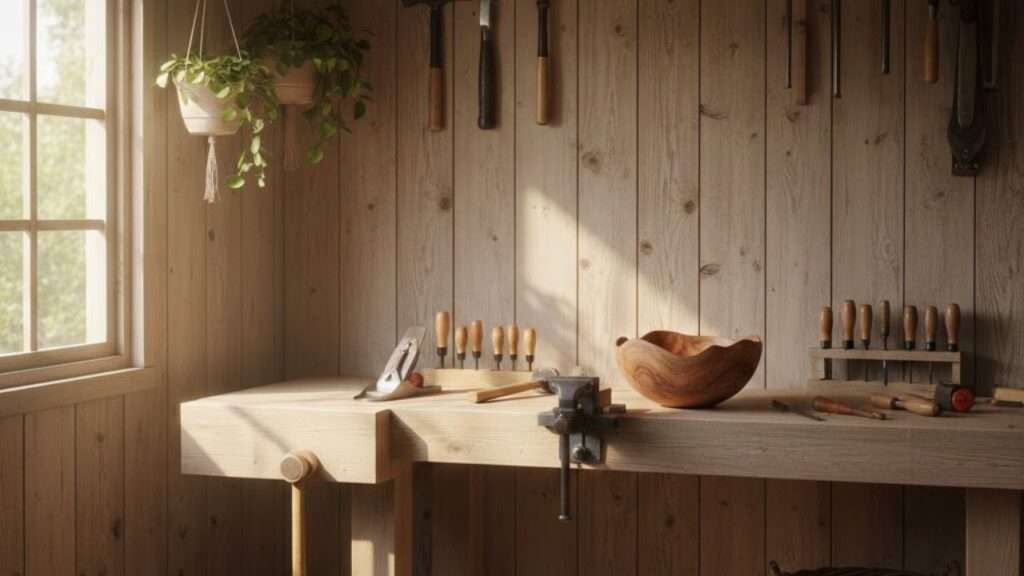
From the Shed: Mastering the Grain & Learning New Skills Woodworking offers a calm and creative path that begins with
Woodwork Adventures That Start In The Shed Read More »
Traditional Craft, Woodwork Abilities, Woodwork Stories, Woodwork Types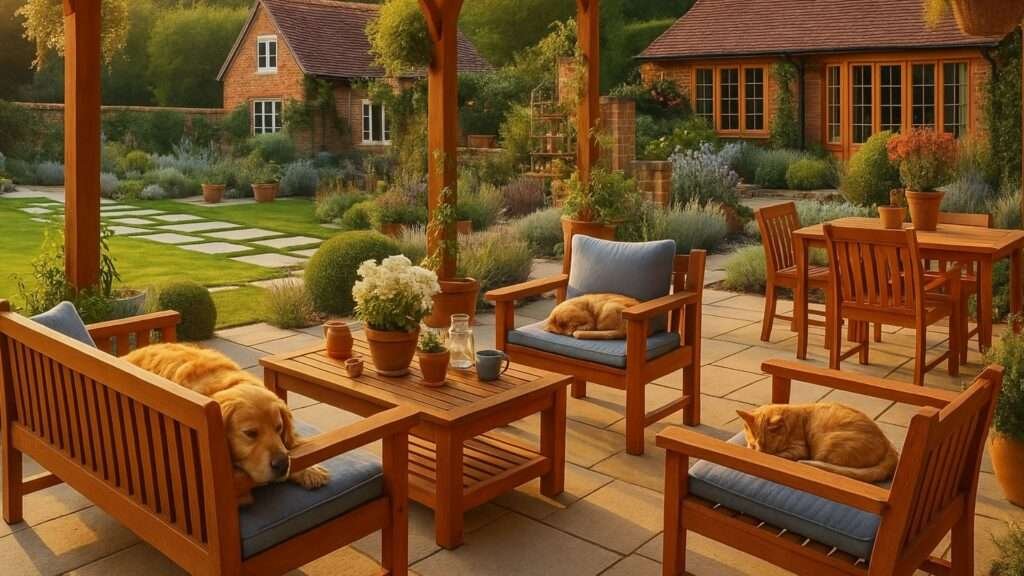
Enhance A Garden Furniture Woodwork Specialisation With A Tertiary Education. This article delves into my personal passion for high-quality garden
Garden Furniture Woodwork Specialisation Read More »
Artistic Woodwork, Build An Online Presence, Creative Woodwork, Finishing Techniques, Outdoor Woodwork, Woodwork in the Garden
Why Woodworking Is Such A Rational Hobby. Woodworking is often perceived as both a popular hobby and a professional craft,
Woodworking Is A Rational Hobby Read More »
Artistic Woodwork, Creative Woodwork, Traditional Craft, Woodwork Stories
Strike A Balance Between The Art & Business Of Woodwork. Disclaimer: This article is nothing more than a collection of
The Art And Business Of Woodwork Read More »
Artistic Woodwork, Build An Online Presence, Creative Woodwork, Finishing Techniques, Marine Woodworking, Outdoor Woodwork
The Journey – Carpenter to Master Builder. With this article, I’ll try my best to map what I believe is
Licensed Carpenter to Master Builder Read More »
Build An Online Presence, Building Industry Tips, House Woodwork, Traditional Craft
Seasonal Maple Woodwork Projects on a Budget. Maple is renowned for its durability and lovely grain patterns, stands out as
Maple Woodwork Projects on a Budget Read More »
Artistic Woodwork, Beautiful Wood, Creative Woodwork
The Woodies Awards Celebrate Global Woodworking Excellence. The Woodies’ is my idea for an annual event that would shine a
The Woodies To Celebrate Global Woodworking Read More »
Just For Laughs, Woodwork Stories
Woodworkers Love Trees And The Forestry Industry. Woodworkers have long shared a profound connection with trees, as these natural resources
Woodworkers Love Forestry Trees Read More »
Beautiful Wood, Woodwork Stories
Intangible Riches Of Being A Happy Woodworker Disclaimer: This article is intended for inspirational and personal reflection purposes only. It
A Trillionaire Level Of Woodwork Happiness Read More »
Artistic Woodwork, Creative Woodwork, Woodwork Abilities
Why Is Woodworking Taking The World By Storm? In recent years, the global financial landscape has been marked by considerable
Woodworking Is Taking The World By Storm Read More »
Beautiful Wood, Creative Woodwork, House Woodwork, Your Woodshop
Specialty Woodworking Vices, Clamps and Aprons. The value of woodworking vices, clamps, and aprons should not be overlooked. These are
Woodworking Vices – Clamps – Aprons Read More »
Traditional Craft, Woodwork Tools, Your Woodshop
Training Your Dog To Protect Your Woodwork Shed Security in a woodworking shop is a critical concern for craftsmen and
Train Your Dog To Protect Your Woodshop Read More »
Woodshop Safety
Woodworking Can Be A Great Hobby. Woodworking is a fascinating and ancient craft that has withstood the test of time
Woodwork Is A Great Hobby Read More »
Artistic Woodwork, Creative Woodwork, Time To Relax, Woodwork Abilities, Woodwork Types
Combining Woodwork & The Saturday Afternoon BBQ. The art of woodworking is a fulfilling pursuit that demands attention, precision, and
Woodworkers Saturday Afternoon BBQ Read More »
House Woodwork, Outdoor Woodwork, Time To Relax, Woodwork in the Garden, Your Weekend BBQ
The Dual Craft of Woodworking and Social Media Promotion. In today’s competitive woodworking market, the journey to success transcends just
Blending Woodwork and Social Media Read More »
Build An Online Presence, Creative Woodwork, Woodwork Abilities
24 Woodwork Centric Poems Of Spring Introduction. This collection transforms the humble woodworking shed into a cathedral of human experience.
The Whistling Woodshop Poetry Read More »
Artistic Woodwork, Just For Laughs, Time To Relax, Woodwork Stories
The Worldwide Lumber Shortage Continues To Affect Many Of Us. The global lumber shortage remains a major concern, affecting a
The Worldwide Lumber Shortage Read More »
Beautiful Wood
Understanding The Key Drivers of DIY Home Reno. DIY home renovation has always garnered significant attention and will probably continue
Doing It Yourself Home Renovation Read More »
House Updates, House Woodwork, Renovation Caution
The Uses For Woodworking Sawdust. Woodworking sawdust, a byproduct of various wood-processing activities, is primarily generated during the processes of
Uses For A Woodworkers Sawdust Read More »
Artistic Woodwork, Beautiful Wood, Outdoor Woodwork
We Learn And Improve From Our Woodwork Mistakes. Woodworking, like any other skill intensive craft, is fraught with its unique
Learning From Our Woodworking Mistakes Read More »
Project Failures, Traditional Craft, Woodshop Safety, Woodwork Abilities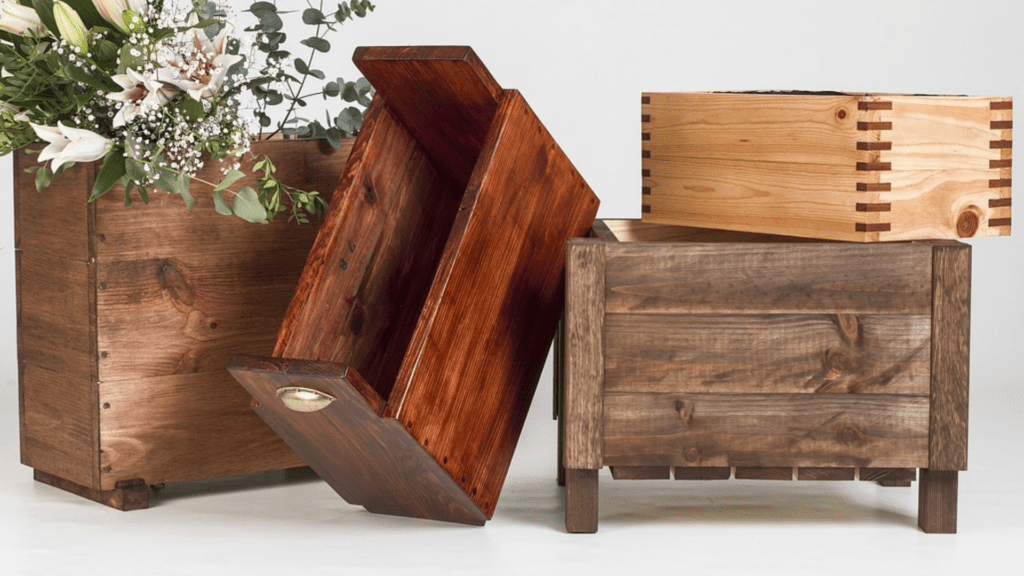
Create your own Wooden Raised Planter Boxes for the Garden If you don’t have a lawn to decorate, it might
Wooden Raised Planter Box Read More »
Outdoor Woodwork
What type of Woodworker is Cabinet Maker? Have you ever wondered who is responsible for creating those stunning custom cabinets
What is a Cabinetmaker Read More »
Traditional Craft, Woodwork Abilities, Woodwork Types