Woodworking Inspiration And Philosophy
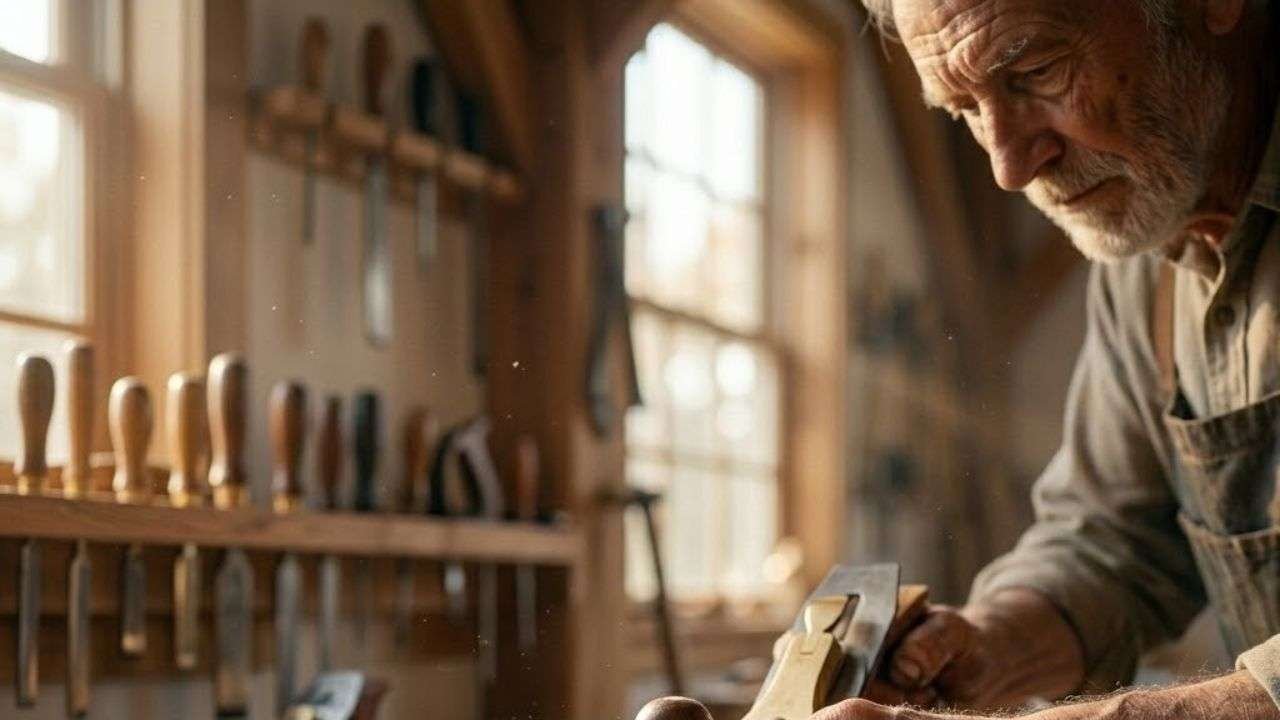
Woodworking has always carried a quiet presence in domestic life.
It sits at the edge of routine and reflection, offering a way to shape the environment with intention.
The appeal is not only in the finished object but in the steady rhythm of working with a material that responds to touch and patience.
The Shift From Necessity To Choice.
For most of human history woodworking was a practical requirement. People shaped timber because they needed shelter and tools.
The shift toward woodworking as a personal choice emerged as industrialisation changed daily life.
Factory work separated people from the materials they once handled. When that happened the workshop became a place where individuals could reclaim a sense of agency. The scent of freshly planed pine or the weight of a hand saw offered a contrast to the mechanical pace of urban life.
By the early twentieth century magazines encouraged homeowners to build their own furniture and fixtures. The home workshop became a space where skill and curiosity could develop without pressure. This transition still influences how people approach the craft today.
Makers In Times Of Scarcity.
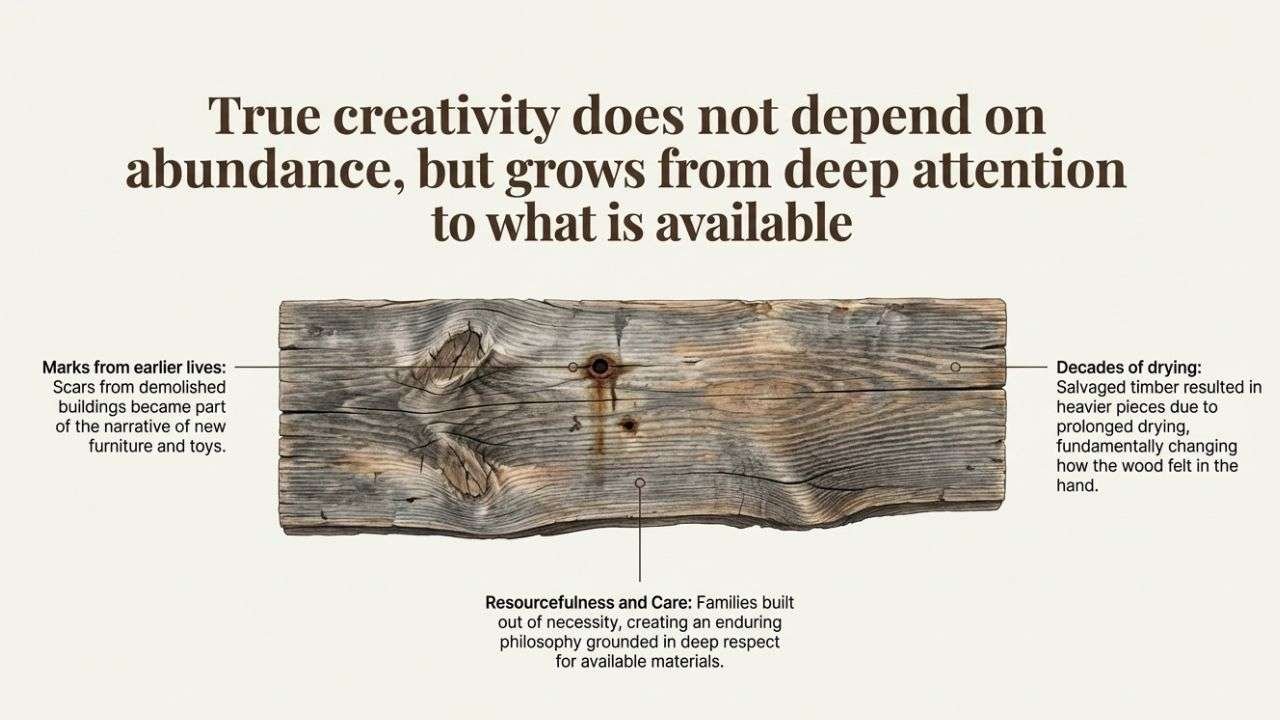
The Great Depression created a different relationship with wood. Families reused timber from barns and demolished buildings because new materials were out of reach. The grain of old beams carried marks from earlier lives and those marks became part of the story of each new piece.
Some woodworkers built toys for children who would not have received anything otherwise. Others shaped furniture from salvaged boards because it was the only way to furnish a home.
The philosophy that emerged from this period was grounded in resourcefulness and care. It showed that creativity does not depend on abundance.
It grows from attention to what is available. A small tangential observation often arises when discussing this era.
Many of the pieces made from reclaimed timber were heavier than modern furniture because the wood had dried for decades. That density changed how the pieces felt in the hand and how they aged over time.
The Psychological Dimension Of Craft.
Working with wood offers a form of mental clarity that is difficult to replicate elsewhere. The repetitive motion of smoothing an edge or fitting a joint encourages focus.
When the grain shifts under a sharp chisel the mind follows the movement.
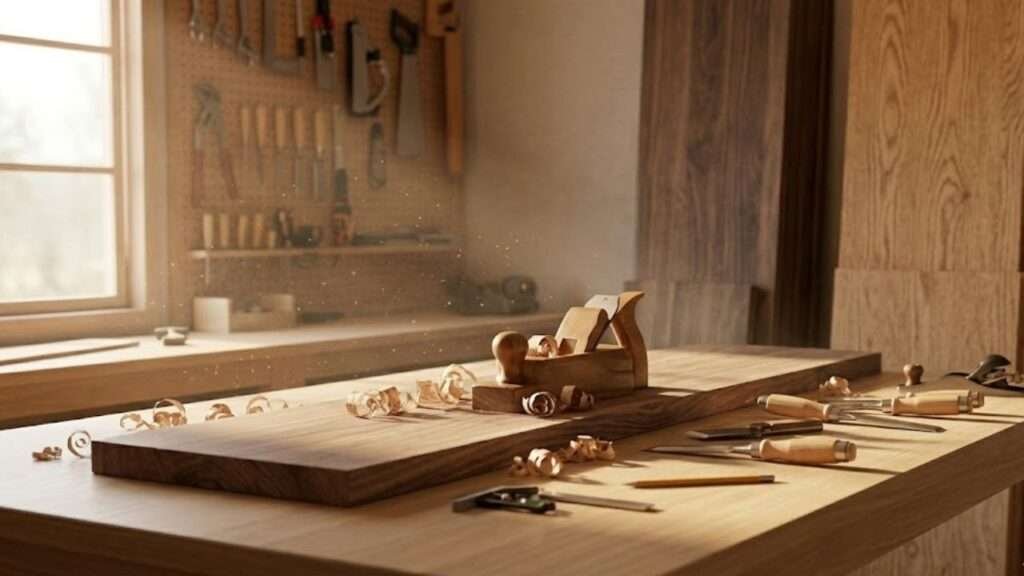
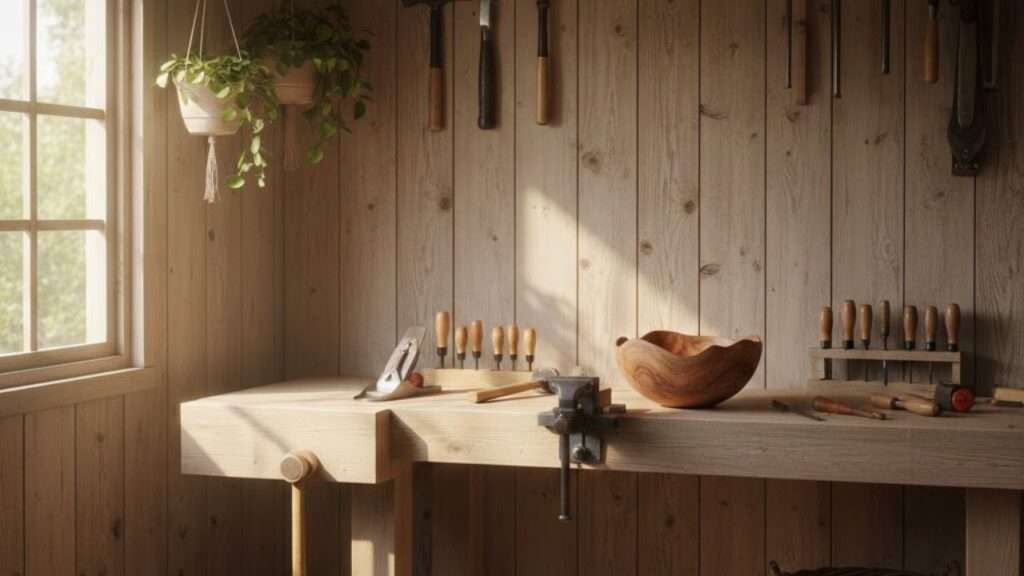
This creates a sense of immersion that researchers now describe as a flow state. The quiet of a workshop reinforces this effect. Light falls across the bench in a way that softens the edges of the day.
Many woodworkers describe a feeling of calm that arrives once the tools are laid out and the first cut is made.
The counter intuitive insight here is that the discipline required by woodworking does not restrict creativity. It supports it.
The boundaries of the material guide the maker toward solutions that might not appear in a less structured environment.
The Material As A Source Of Connection.
Wood itself shapes the philosophy of the craft. Its texture and warmth create a sense of grounding.
Touching a piece of timber brings a subtle awareness of the natural world.
Even a simple board of radiata pine carries variations in colour and scent that change as it is cut or sanded.
This connection to nature is part of what draws people to woodworking in indoor environments. The presence of wood in a room can soften artificial surfaces and create a more balanced atmosphere.
When a project begins with a rough board the transformation into a finished object reinforces the relationship between material and maker. The workshop becomes a place where natural elements are shaped with intention.
Therapeutic Roots And Modern Practice.
Woodworking has long been used as a form of therapy.
After the First World War craft based activities helped returning soldiers rebuild confidence and coordination. The structured tasks of measuring and shaping timber provided a sense of progress.
This approach continues today in community workshops and shared spaces. Groups such as local men’s sheds offer a place where people can work side by side without the pressure of formal instruction.
The sound of a plane moving across a board or the soft tap of a mallet creates a steady rhythm that supports conversation.
These environments show how woodworking can help people navigate difficult periods. The act of making something tangible provides a sense of stability.
Heritage And Personal Lineage.
Many woodworkers trace their interest to earlier generations. A bench inherited from a grandparent or a set of well used chisels can influence how someone approaches the craft.
The patina on an old tool handle carries the imprint of previous hands. Using such tools creates a sense of continuity.
Some makers seek timber with a history of its own. Boards from old houses or farm buildings bring a sense of place into new projects.
The knots and nail holes become part of the design rather than flaws to be removed. This connection to heritage shapes the philosophy of woodworking by linking past and present through material and practice.
Different Motivations Within The Craft.
People come to woodworking for different reasons. Some enjoy giving their work away. They find satisfaction in shaping a piece and passing it on without expecting anything in return.
Others begin by making items for friends then gradually accept commissions. This shift introduces a trade off.
Turning a hobby into a business can reduce the freedom to experiment. Deadlines and client expectations influence design decisions.
At the other end of the spectrum are artisans who treat woodworking as a form of personal expression.
They create pieces that reflect their own ideas about form and texture. The variety of motivations shows that woodworking is not a single path. It adapts to the intentions of each maker.
The Broader Ecosystem.
Woodworking exists within a large economic network. Timber harvesting and milling supply the raw material.
Manufacturers produce furniture cabinetry and flooring. Tool makers design machinery that ranges from small bench top sanders to advanced CNC systems.
Retailers and service providers support both hobbyists and professionals. Education and media play a significant role as well. Books classes and online channels help people develop skills and stay connected to the craft.
The scale of this ecosystem is often underestimated. It extends far beyond the individual workshop and influences industries across the world.
Industry Scale And Market Structure.
The woodworking industry includes several major segments. The table below outlines key areas and their approximate global values.
| Segment |
Approximate Global Value |
Notes |
| Woodworking Industry |
888.8 billion |
Includes all major sectors. |
| Wood Furniture Market |
269.9 billion |
Driven by residential and commercial demand. |
| Carpentry Services |
1.6 billion |
Represents professional services. |
| Woodworking Machinery |
3.96 billion |
Includes manual and automated equipment. |
These figures show the breadth of the industry. They also highlight how individual makers contribute to a much larger system. Even small workshops influence supply chains through their choice of materials and tools.
Technology And Tradition Moving Forward.
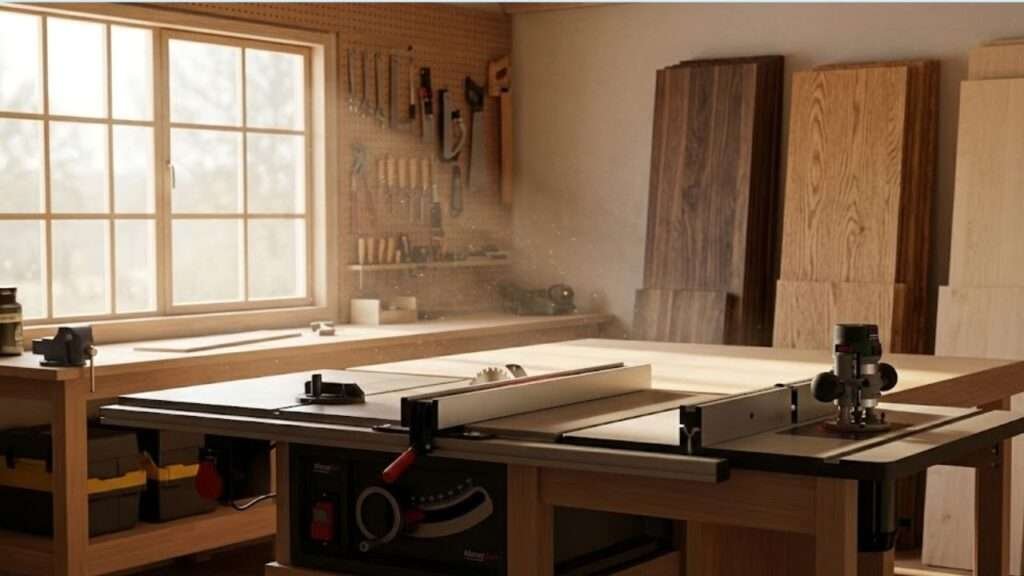
The future of woodworking blends digital tools with traditional methods. CNC machines have become more common in small shops because they offer precision and repeatability.
At the same time many woodworkers continue to rely on hand tools for tasks that require sensitivity to grain and texture.
Sustainability is becoming a central consideration. Certified timber and efficient material use are increasingly important.
Consumers are also seeking personalised pieces that reflect their own preferences. This encourages makers to combine craftsmanship with flexible design approaches.
The workshop of the future will likely include both digital and manual tools working together.
A Continuing Source Of Meaning.
Woodworking remains compelling because it offers a way to shape the physical world with care. The craft connects people to natural materials and to the generations who worked with wood before them.
It provides a steady rhythm that supports reflection. It also exists within a global ecosystem that continues to evolve.
The philosophy of woodworking grows from this combination of history material and personal intention. It offers a path toward creating objects that carry both function and meaning.