Woodworking Maintenance And Repairs

Woodwork settles into a home in a way few materials can match.
The grain catches morning light the same way year after year. A drawer that once stuck begins to glide again after a careful adjustment.
These small acts of maintenance shape the atmosphere of a lived‑in space.
They also remind us that woodworking is not only about building new pieces. It is about sustaining what already serves us.
Understanding the Importance of Woodworking Maintenance.
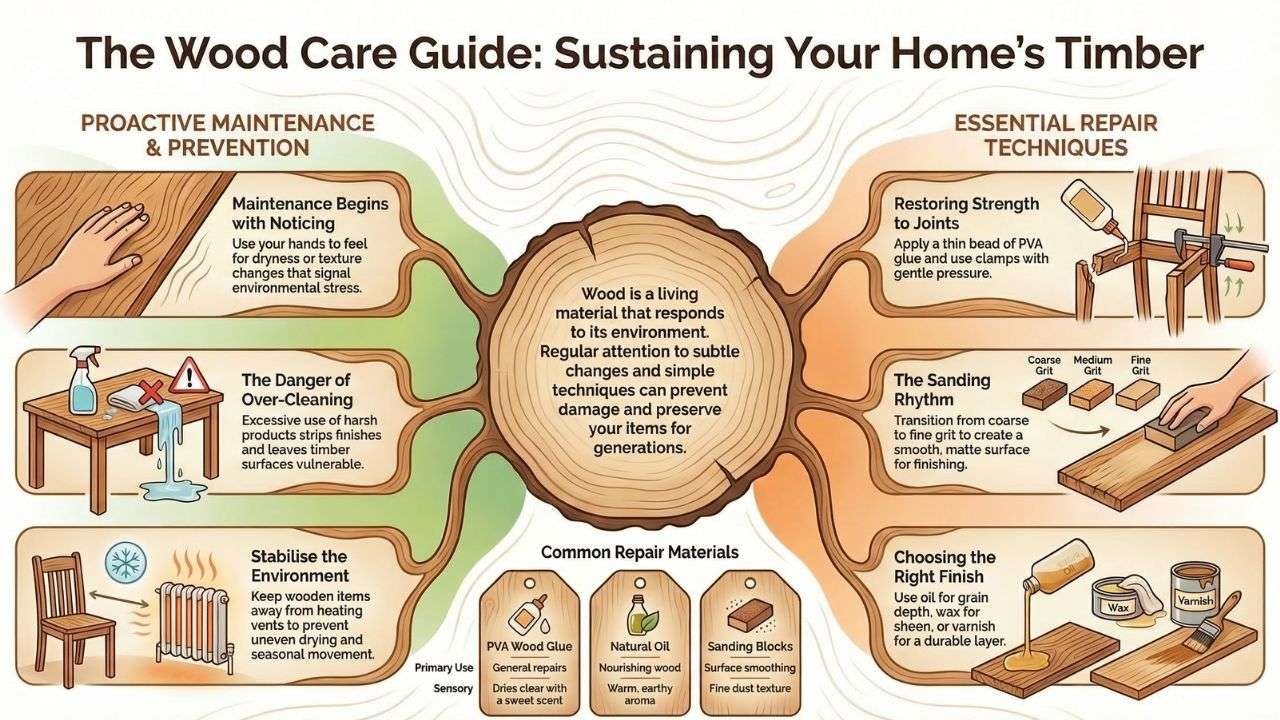
Maintenance begins with noticing. The surface of a timber bench that feels slightly dry under the hand. A cabinet door that shifts a little off centre.
These details signal the natural movement of wood as it responds to humidity and daily use. Regular care slows that movement and preserves the character of each piece.
Wood responds well to consistent attention. A light application of oil restores depth to pale areas.
A soft cloth removes dust that would otherwise settle into pores. Even the simple act of running a hand along a tabletop reveals subtle changes in texture. These small checks prevent larger issues from developing.
A nuanced point often overlooked is that over‑cleaning can be as damaging as neglect. Excessive use of harsh products strips finishes and leaves surfaces vulnerable. Balanced care protects the material without overwhelming it.
Essential Woodworking Repair Techniques Every Homeowner Should Know.
Repairs form the practical side of home woodworking. They bring together observation, patience and a willingness to work slowly.
A cracked chair leg or a loose joint is not a sign of failure. It is a natural stage in the life of a wooden object.
Fixing cracks requires understanding the direction of the grain. A thin bead of wood glue pressed into the split and clamped with gentle pressure often restores strength. The scent of fresh glue and the slight tackiness under the fingers signal that the bond is forming.
Sanding and refinishing demand a different rhythm. The shift from coarse to fine grit creates a smooth transition that can be felt more than seen. A freshly sanded surface has a matte softness that invites a protective finish.
Replacing damaged parts introduces a trade‑off. A new piece of timber may not match the exact tone of the original.
The repair strengthens the item but introduces a subtle visual shift. Many woodworkers accept this as part of the story of the piece.
Tools and Materials Needed for Effective Woodwork Maintenance and Repairs.
A well‑chosen set of tools makes home maintenance efficient. The tools do not need to be extensive. They need to be reliable and familiar in the hand.
The weight of a block plane or the balance of a sanding block becomes part of the workflow.
Common tools include chisels, screwdrivers, clamps, sanding blocks and a small hand saw. Each tool supports a different aspect of upkeep.
A chisel pares away swollen fibres around a hinge. A clamp holds a repaired joint steady while glue cures.
Different types of wood glue serve different purposes. PVA glue suits most indoor repairs.
A waterproof variant supports outdoor items exposed to moisture.
Protective finishes such as oil, wax and varnish each create a distinct surface feel. Oil enhances grain depth. Wax adds a soft sheen. Varnish forms a more durable layer.
The table below outlines common materials and their uses.
| Material or Tool |
Primary Use |
Sensory Detail |
Notes |
| PVA wood glue |
General repairs |
Slightly sweet scent |
Dries clear. |
| Sanding blocks |
Surface smoothing |
Fine dust texture |
Use progressively finer grits. |
| Natural oil finish |
Nourishing wood |
Warm, earthy aroma |
Enhances grain. |
| Clamps |
Holding joints |
Cool metal surfaces |
Avoid overtightening. |
Step by Step Guide to Common Woodworking Repairs Around the Home.
Repairs around the home follow a steady sequence. Each task benefits from a calm pace and attention to detail. A wooden door that drags on its frame often needs only a light sanding along the edge. The sound of the door moving more freely confirms the improvement.
Loose joints in furniture respond well to careful tightening. Removing an old screw reveals compressed fibres that may need a small wooden plug before reinserting hardware. This small step restores grip and prevents future loosening.
Scratched surfaces require a gentle touch. A shallow scratch disappears under fine sanding followed by a matching finish. Deeper marks may need filler tinted to the surrounding timber. The filled area feels slightly different at first but settles as the finish cures.
Tightening screws in fixtures such as shelves or rails restores stability. The metal threads bite into the wood with a familiar resistance. This simple action often prevents more complex repairs later.
- Sand lightly to remove raised fibres.
- Apply glue sparingly to avoid squeeze out.
- Allow finishes to dry fully before use.
- Test colour matches on an offcut when possible.
Preventative Measures to Extend the Life of Your Wooden Items.
Prevention shapes the long term condition of wood. Regular cleaning with a soft cloth removes dust before it settles into grain patterns.
A slightly damp cloth lifts residue without saturating the surface. The wood feels refreshed rather than stripped.
Applying sealants or varnishes creates a barrier that slows moisture exchange. The first coat often raises the grain slightly. A light sanding between coats produces a smooth final finish. This process rewards patience.
Humidity control inside the home reduces seasonal movement. Wood swells in high humidity and contracts in dry conditions.
A stable environment keeps joints tight and surfaces even. This is especially noticeable in older homes where timber responds quickly to weather changes.
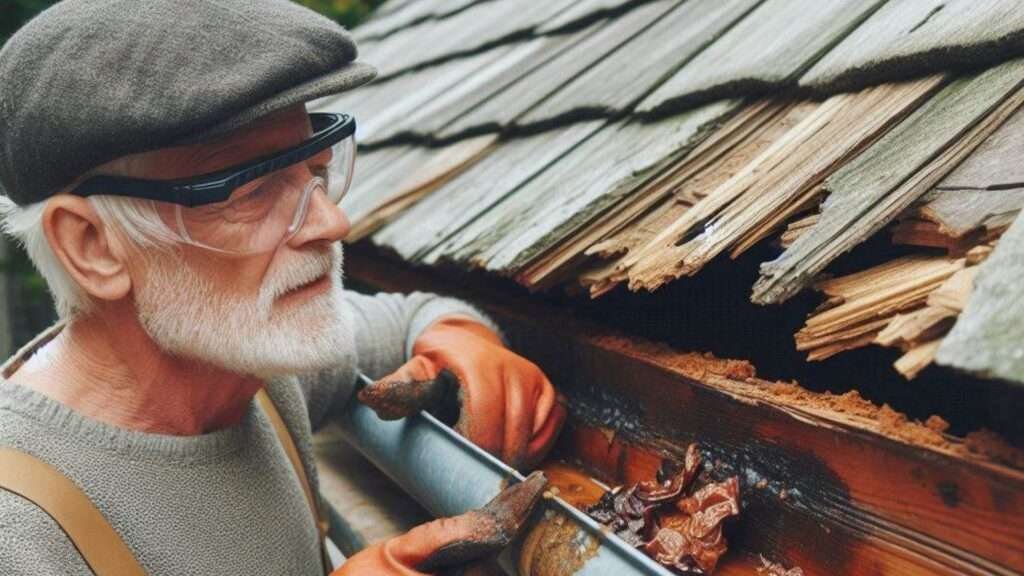
Avoiding common pests is part of preventative care. Regular inspection of hidden areas such as the underside of shelves or the back of cabinets helps detect early signs of activity. The faint powdery residue left by some pests is easy to overlook unless checked deliberately.
A small tangential observation arises here. Many people store wooden items near heating vents for convenience.
The constant warm airflow dries the timber unevenly and accelerates wear. Moving items slightly away from vents preserves their condition without altering the room layout.
Caring for Wood in Different Areas of the Home.
Different rooms present different conditions. A kitchen shelf exposed to steam needs more frequent oiling. The surface feels slightly raised after repeated exposure to moisture. A quick reapplication of oil restores smoothness.
Living room furniture experiences steady use. Armrests develop a polished sheen from contact with skin oils. This natural patina is part of the charm but still benefits from occasional cleaning and conditioning.
Outdoor wooden items face the greatest variation. Sunlight fades colour.
Rain alters texture. Regular application of outdoor finishes maintains durability. The scent of freshly applied oil outdoors blends with the surrounding air and signals that the wood is protected again.
Bedrooms often contain older pieces passed down through families.
These items respond well to gentle care. A light wax application preserves their character without altering their aged appearance.
Integrating Maintenance into a Wood Focused Lifestyle.
Maintenance becomes easier when it becomes part of daily living.
A quick check of a wobbly stool while making morning coffee. A few minutes spent oiling a chopping board after preparing dinner. These small actions accumulate.
A counter intuitive insight emerges here. Frequent small maintenance tasks often reduce the need for major repairs more effectively than scheduled deep maintenance sessions. The wood benefits from consistent attention rather than occasional intensive work.
Integrating maintenance into routine activities also strengthens the connection between the craft and the home.
The feel of a well cared for surface reinforces the value of the work invested. Over time the home becomes a collection of pieces shaped by ongoing care.
Conclusion.
Woodworking related maintenance supports the longevity of the items that define a home. Each repair strengthens the relationship between craft and daily life. With steady attention and thoughtful care wooden pieces continue to serve well and enrich the atmosphere of the home.