
Can Woodwork Power Tools Make A Difference?
Building furniture (inside and outside) as well as assorted decorative elements for you home and the homes of family members with power tools offers a direct way to shape a home environment that feels personal and intentional.
The combination of precision, speed and creative flexibility makes these tools well suited and value adding to projects that elevate our everyday living spaces.
The following guide explores how to use a core set of power tools to produce pieces that feel both crafted and considered, with an emphasis on natural materials and a calm, practical approach to woodworking.
Understanding the Role of Power Tools in Home Crafting.
Power tools allow woodworkers and DIY’ers to move from concept to finished piece with steady control.
A circular saw can break down timber into the lengths you need quickly while still producing clean edges.
A router can refine a profile until it feels balanced to the touch. These tools support a workflow that blends efficiency with craftsmanship.
The scent of freshly cut pine or the smooth surface left by a sharp bit reinforces the connection between material and maker.
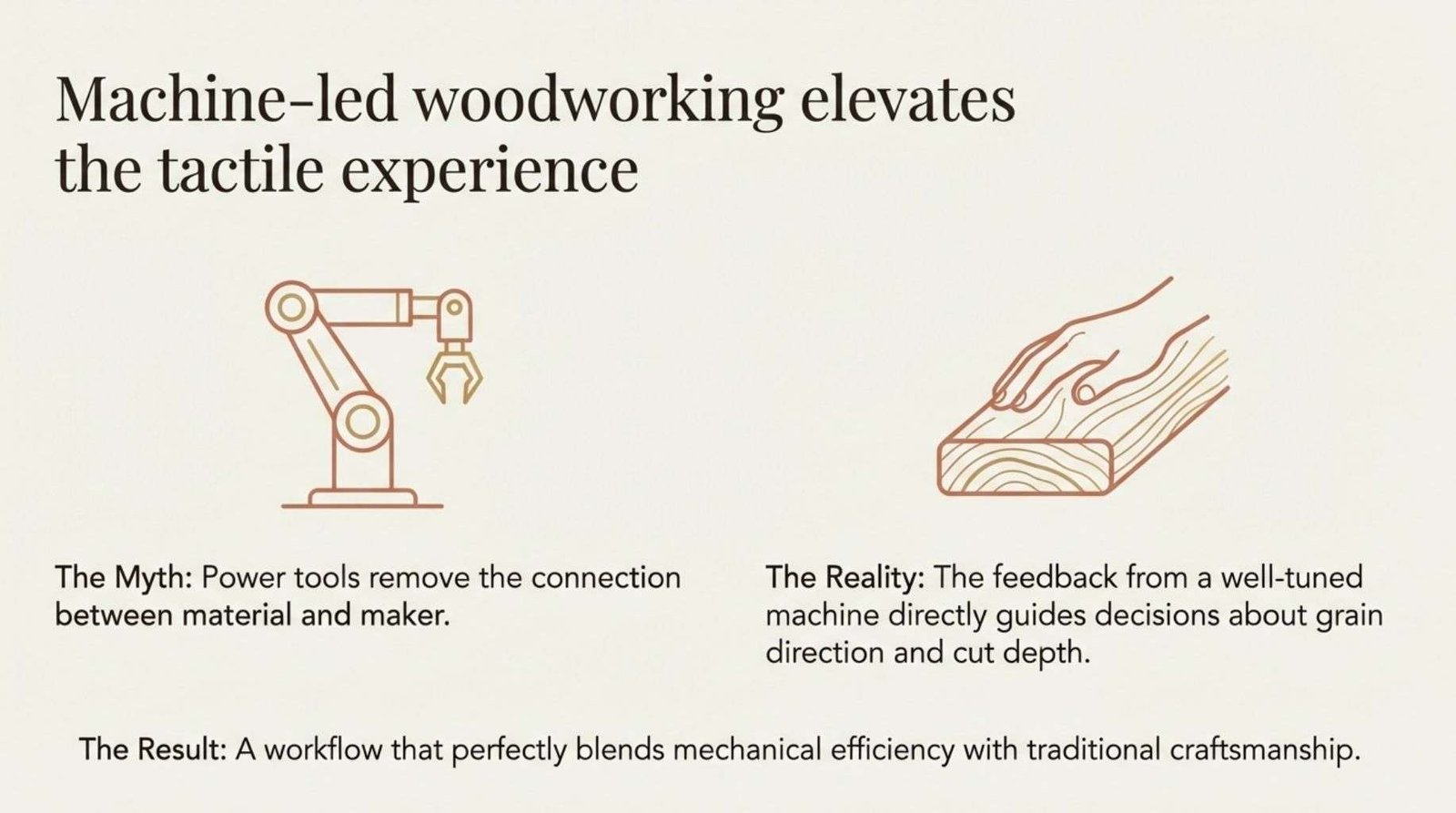
Many woodworking beginners assume that power tools remove the tactile element of woodworking, yet the opposite is often true.
The feedback from a well tuned hand power tool can guide decisions about grain direction or cut depth.
This is one of the more nuanced aspects of modern woodworking and it often surprises new makers.
Selecting the Right Tools for the Task.
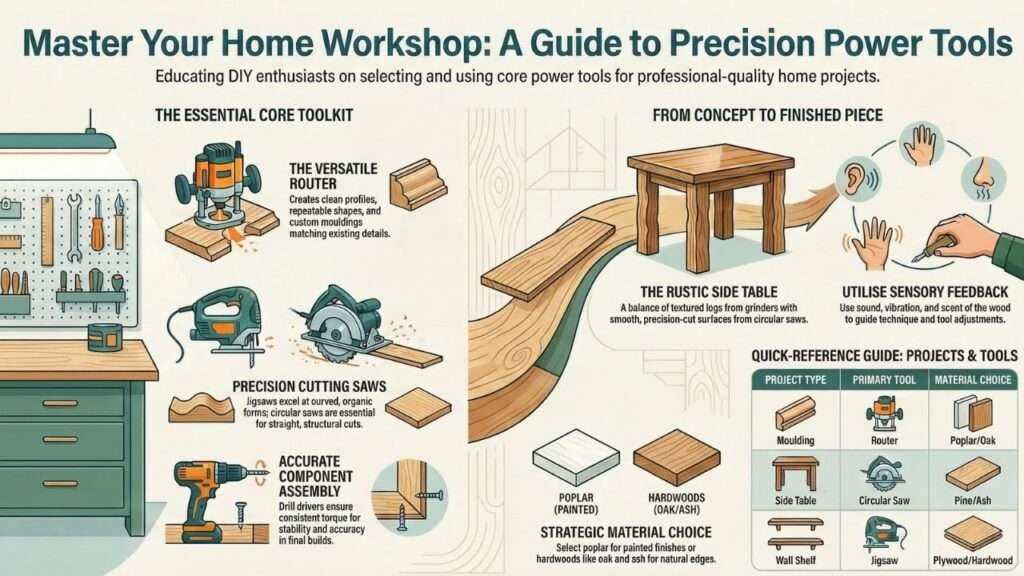
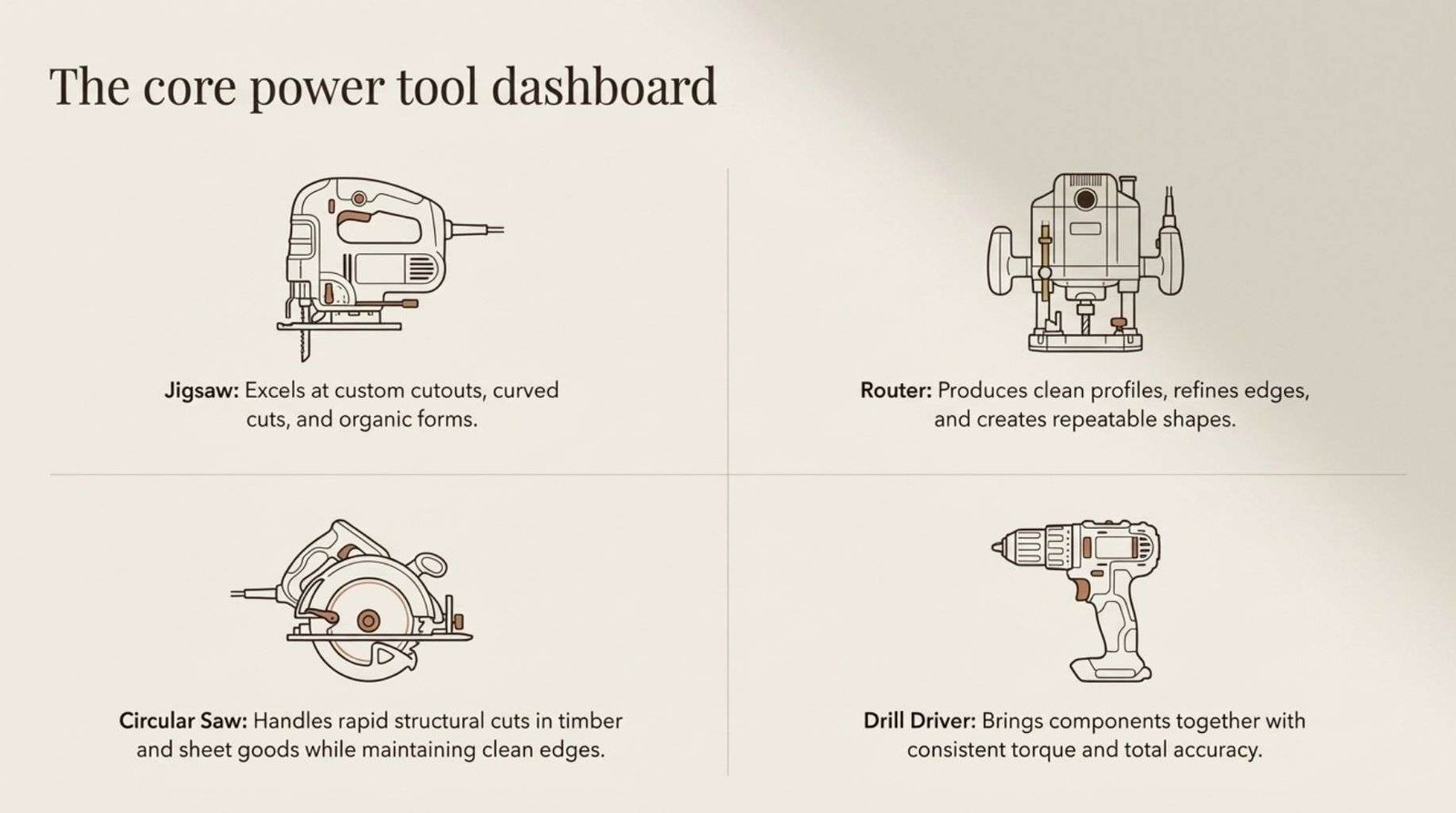
Each tool has a distinct purpose and learning how to match it to the project is a foundational skill. A jigsaw excels at curved cuts and irregular shapes.
A router shapes edges and creates joinery. A circular saw handles straight cuts in sheet goods. A drill driver brings components together with consistent torque. The sound of each tool is different and so is the feel of the cut.
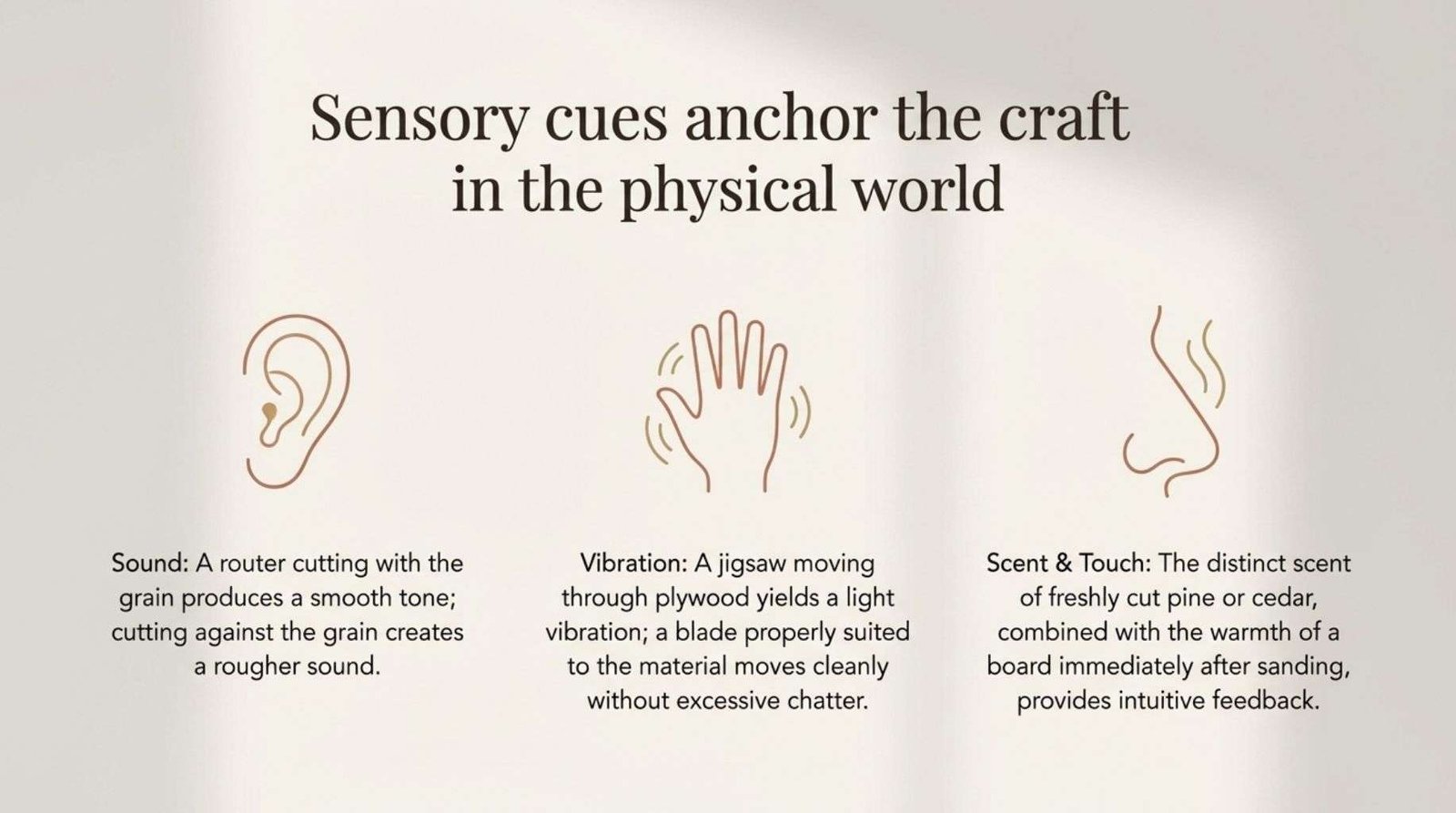
A jigsaw moving through plywood produces a light vibration while a router cutting a hardwood edge creates a steady hum.
These sensory cues help guide technique.
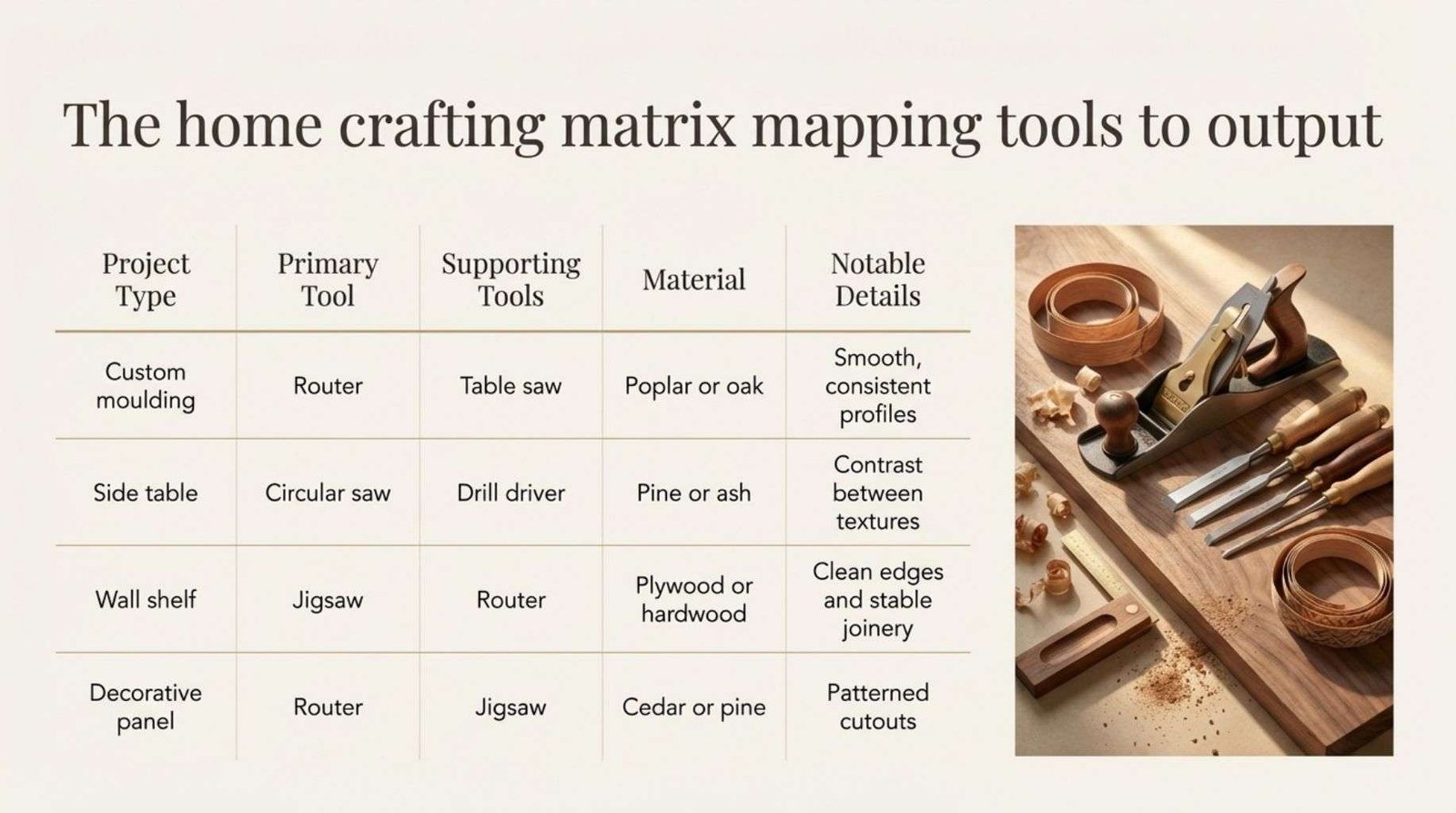
1. A jigsaw is effective for custom cutouts and organic forms.
2. A router produces clean profiles and repeatable shapes.
3. A circular saw handles structural cuts in timber and panels.
4. A drill driver assembles components with accuracy.
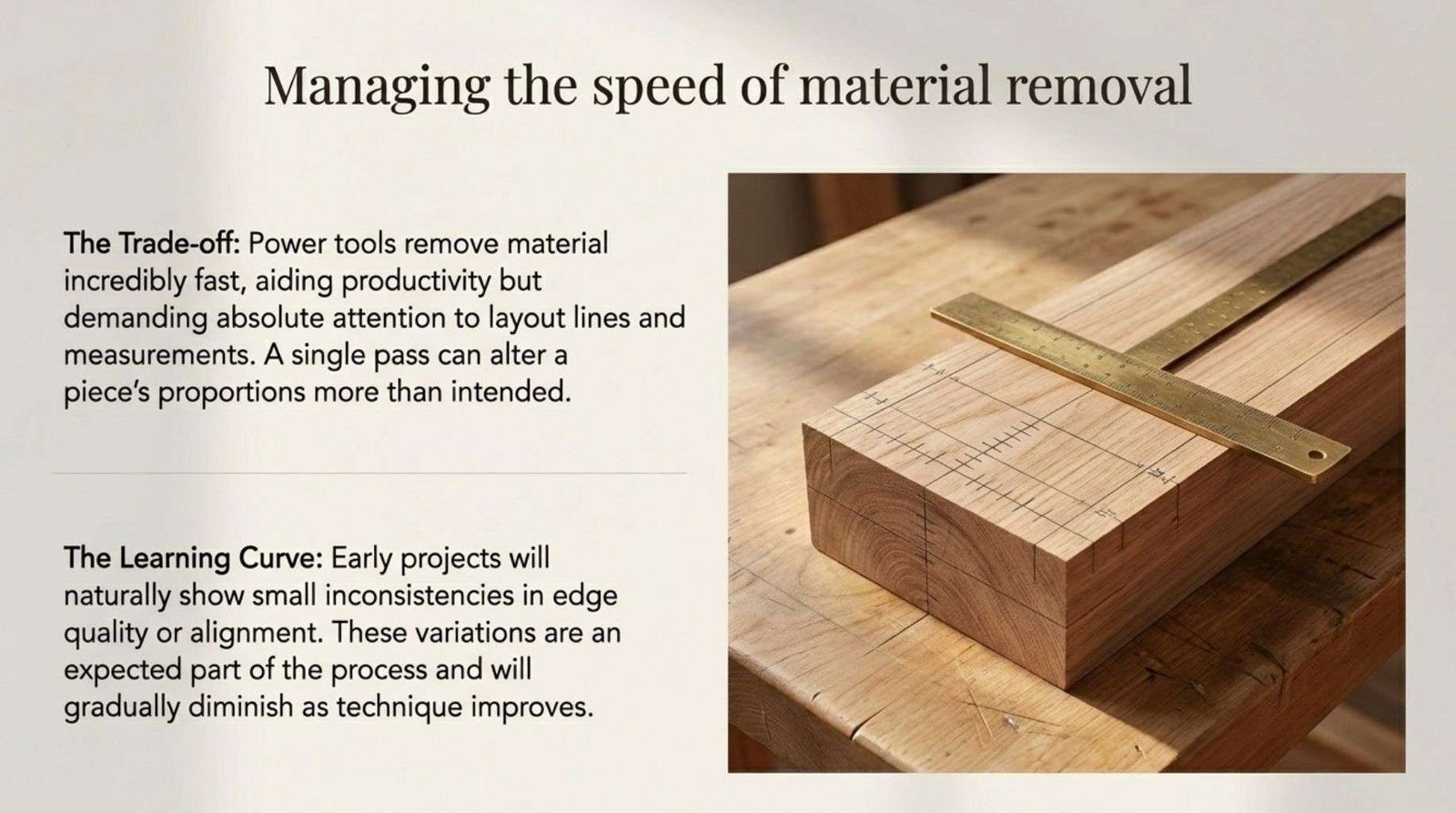
A limitation worth noting is that power tools can remove material quickly.
This is helpful for productivity but it requires attention to layout lines and measurements.
A single pass can change the proportions of a piece more than intended.
Creating Custom Mouldings with a Router.
A router is one of the most versatile tools in a home workshop.
It can replicate traditional moulding profiles or create modern minimalist edges.
The tactile quality of a routed surface is immediately noticeable.
Running a hand along a freshly shaped cove or round-over reveals the subtle transitions that define well made trim.
When a room requires a specific profile to match existing details, making it yourself provides control over both scale and material.
The process begins with selecting straight, stable stock.
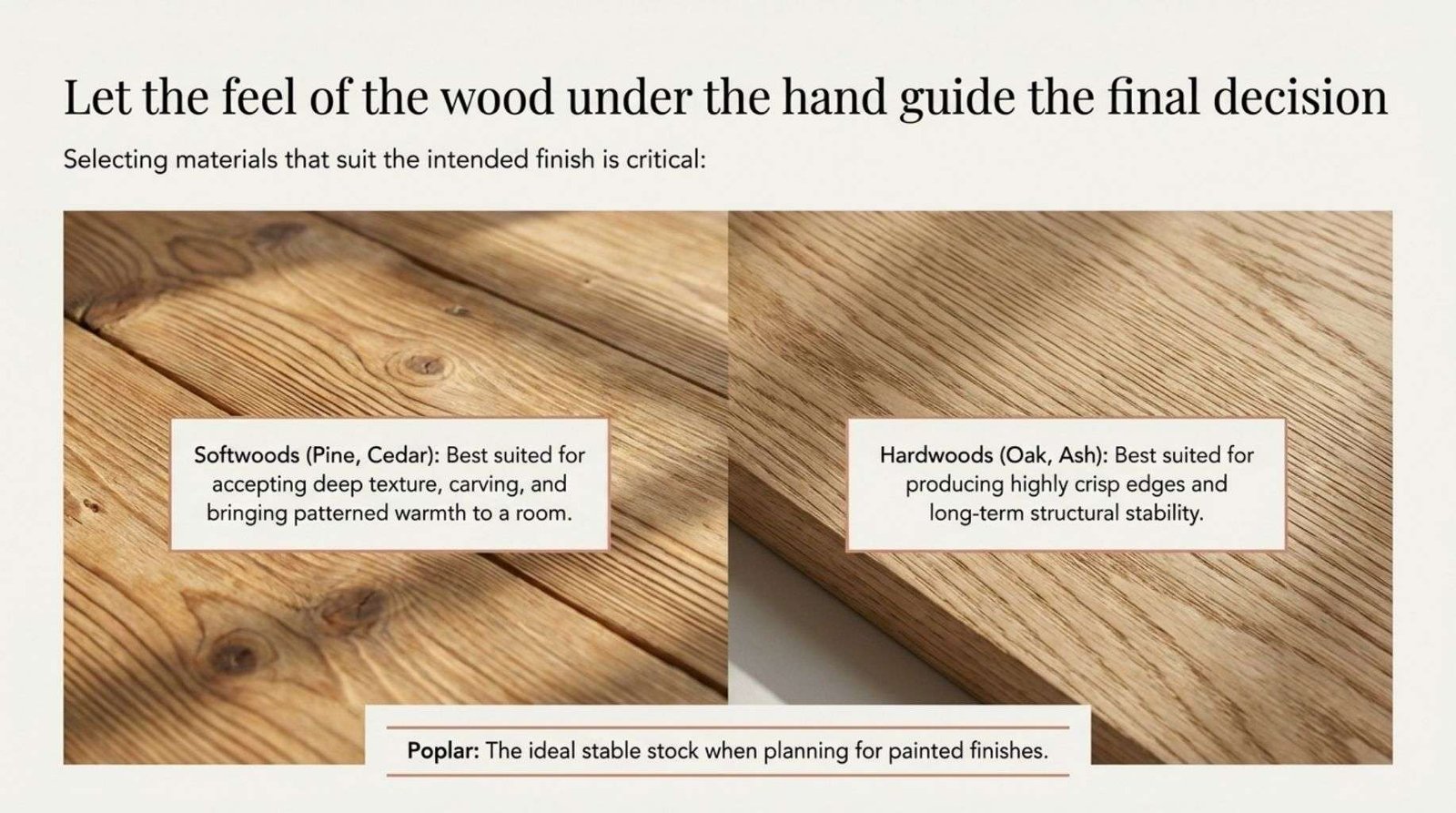
Poplar (aspen/cottonwood/tulip tree) works well for painted finishes while oak or ash suits natural finishes. The choice of bit determines the final shape.
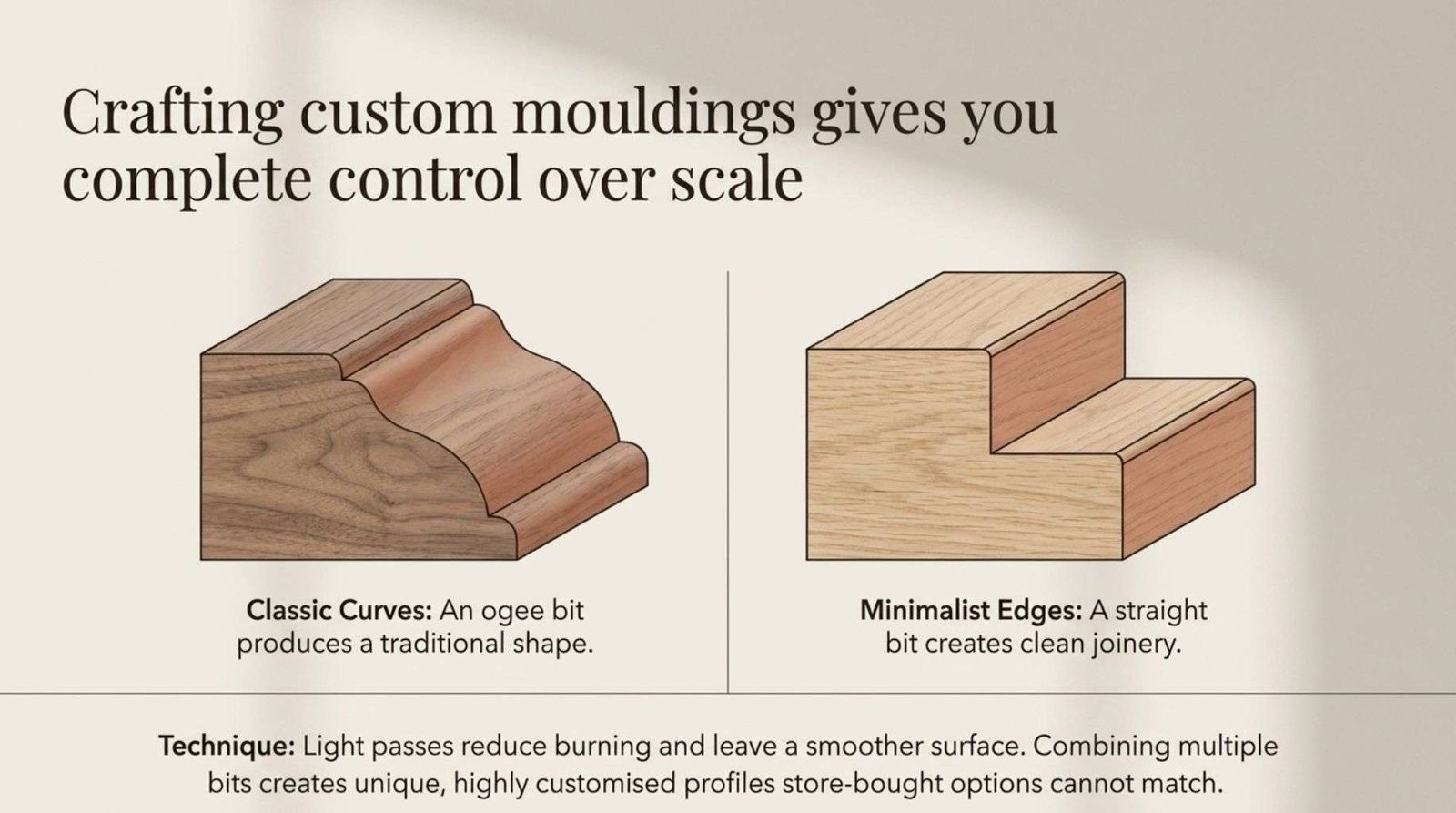
An ogee bit produces a classic curve while a straight bit creates clean joinery. Light passes reduce burning and leave a smoother surface.
Some woodworkers combine multiple bits to create unique profiles.
This approach takes more time but it allows for a level of customization that store bought mouldings cannot match.
Building a Rustic Modern Side Table.
Building a rustic modern side table begins with an understanding of how shaping joinery and finishing work together.
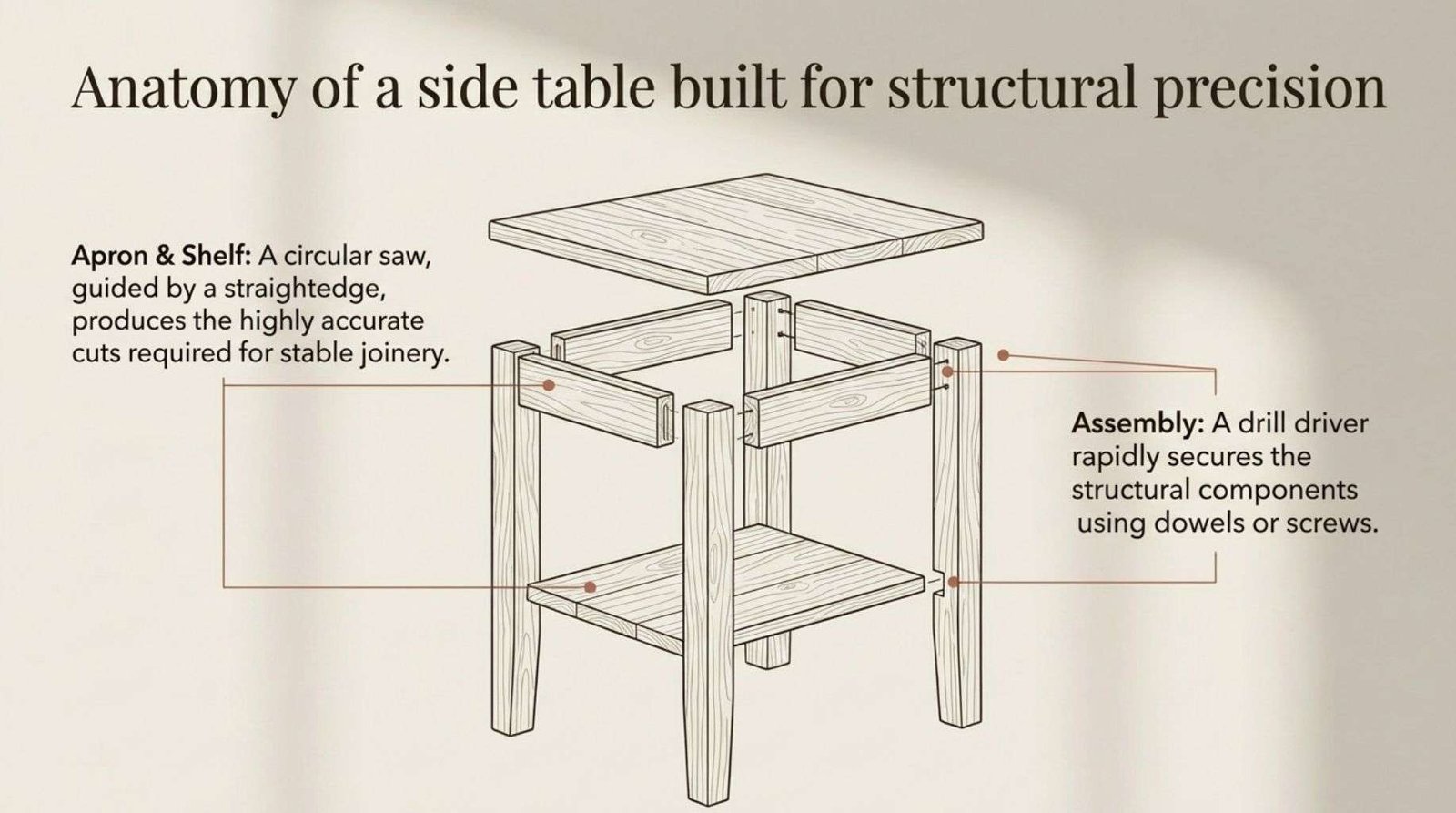
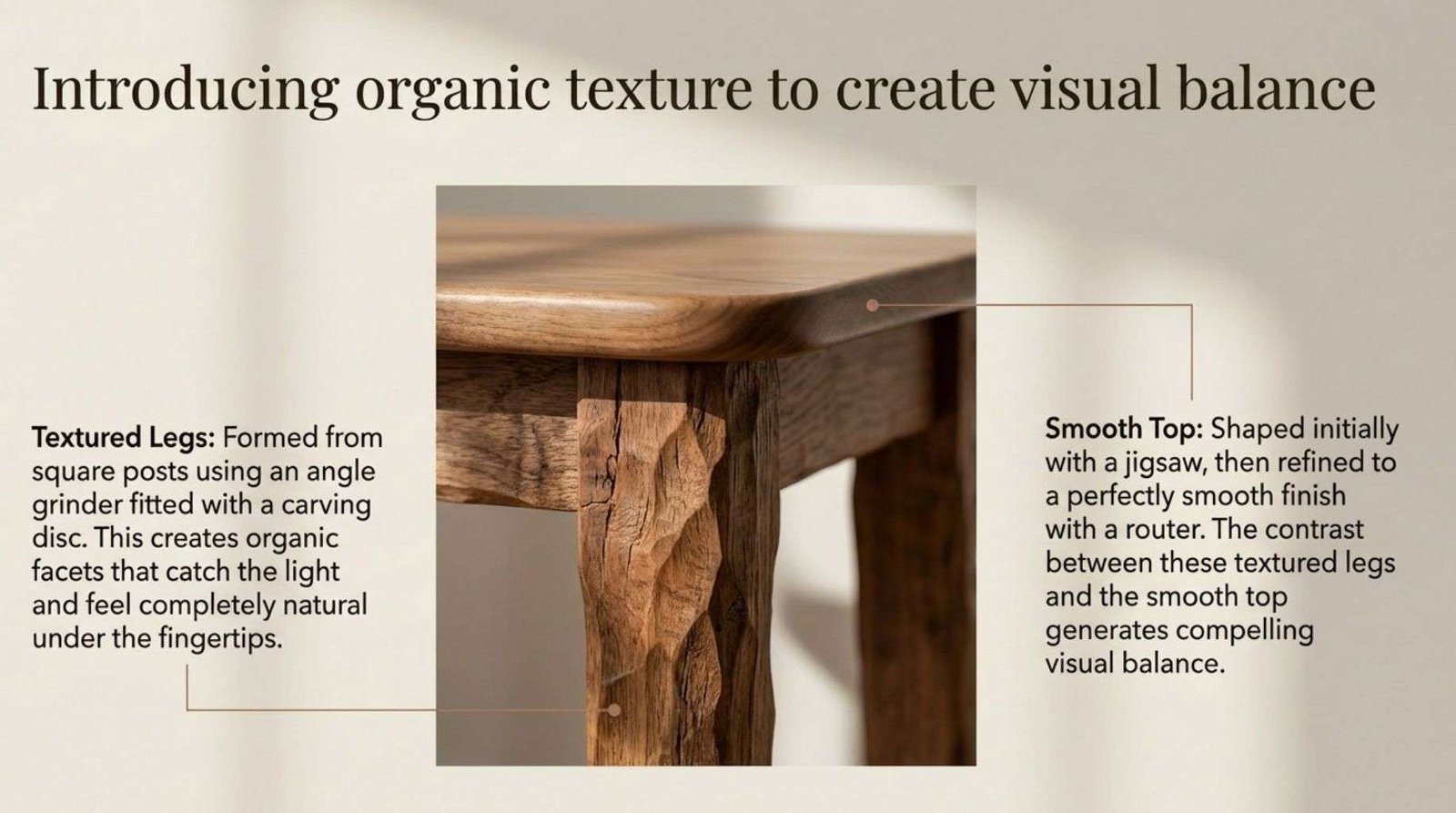
The legs can be formed from square posts using an angle grinder fitted with a carving disc. This creates irregular facets that catch the light in subtle ways and introduce a tactile surface that feels natural under the fingertips.
The sound of the grinder against the timber has a steady rasp that signals progress. The apron and shelf call for more precision.
A circular saw guided by a straightedge produces accurate cuts that support reliable joinery. A drill driver secures the components with dowels or screws.
The top can be shaped with a jigsaw then refined with a router until the edges feel smooth. The contrast between the textured legs and the clean top creates visual balance that suits a wide range of interiors.
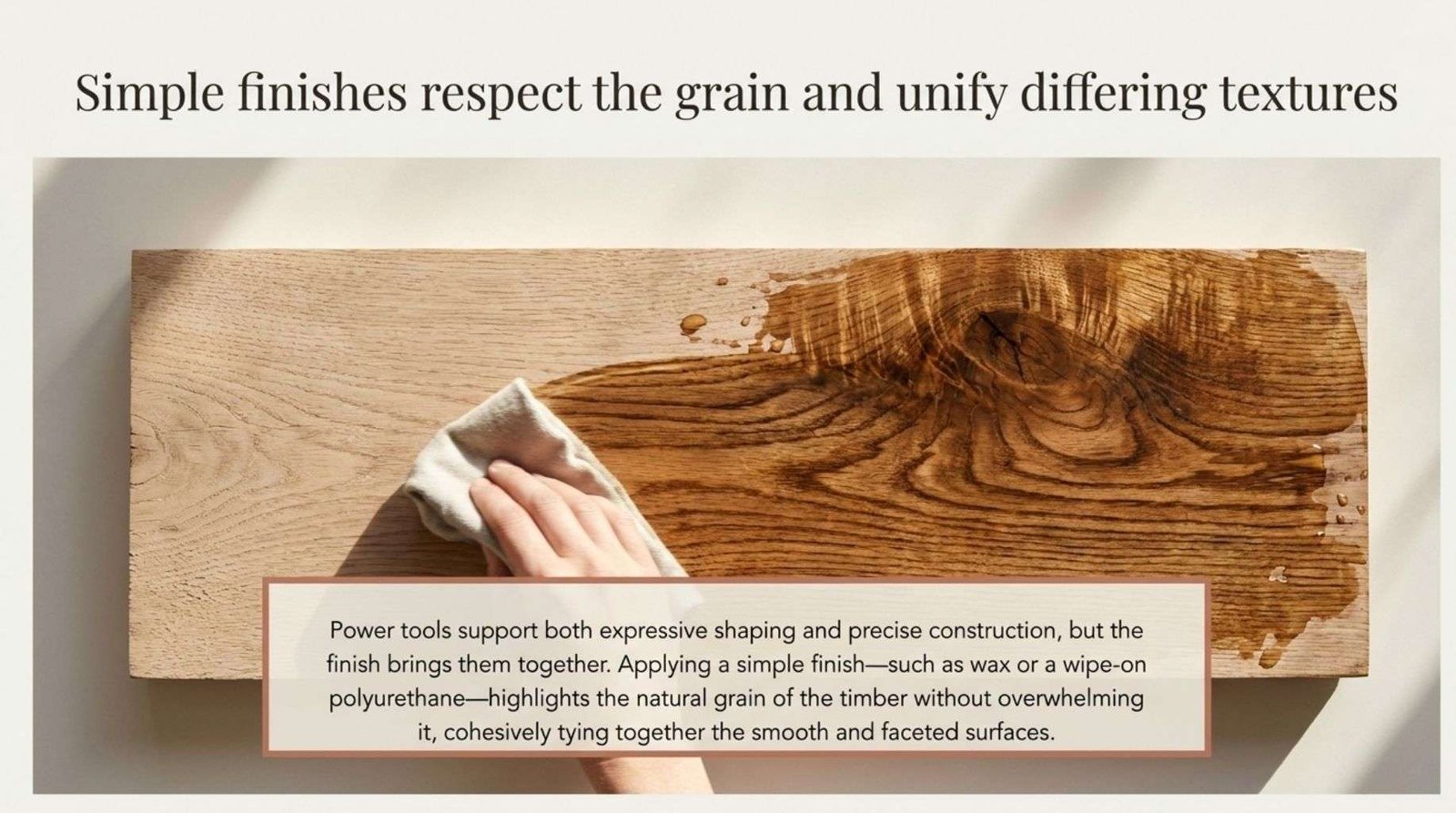
A simple finish such as wax or a wipe on polyurethane highlights the grain without overwhelming it.
The finish also unifies the different textures so the piece feels cohesive. This project shows how power tools can support expressive shaping as well as precise construction.
Balancing Precision and Creative Freedom.
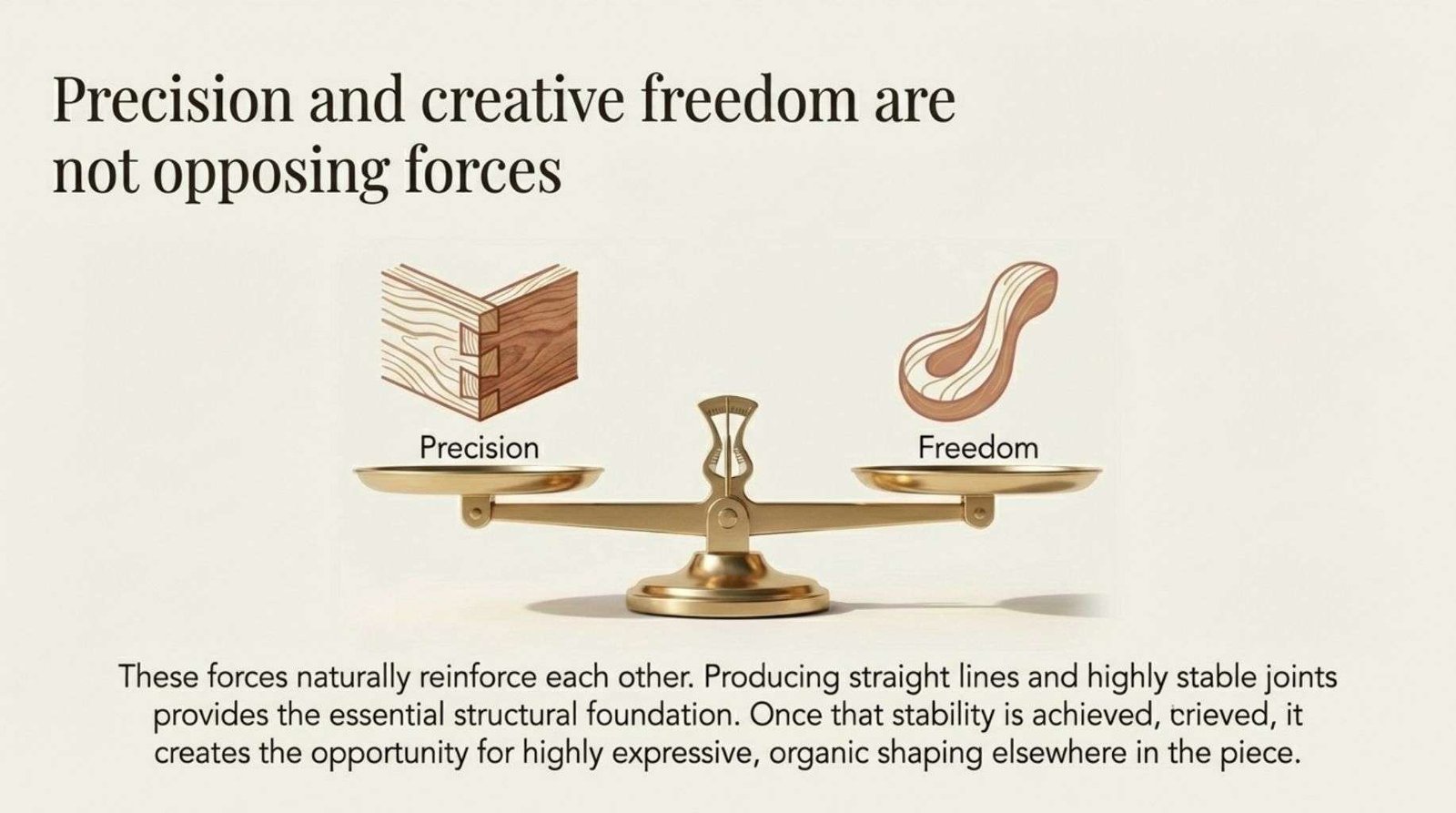
Balancing precision and creative freedom is a central part of woodworking with power tools. A circular saw can define the structure of a piece with straight lines.
A router can refine edges until they feel comfortable to the touch.
An angle grinder can introduce organic texture that softens the geometry.
This combination allows woodworkers to create pieces that feel intentional and expressive. A nuanced observation is that precision and creativity often reinforce each other. A well cut joint provides stability which allows for more adventurous shaping elsewhere in the piece.
A trade off exists in the learning curve. Power tools require practice to achieve consistent results.
Early projects may show small inconsistencies in edge quality or alignment. These variations are part of the process and they diminish as technique improves.
Using Sensory Feedback to Improve Technique.
Sensory feedback plays a significant role in improving technique.
The sound vibration and feel of a tool in motion provide information that guides each cut. A router moving with the grain produces a smooth tone while cutting against the grain creates a rougher sound.
A jigsaw blade suited to the material moves cleanly without excessive chatter. Paying attention to these cues helps refine technique.
The scent of freshly cut cedar or the warmth of a board after sanding adds to the experience. These sensory details anchor the craft in the physical world and support a more intuitive approach to woodworking.
The Satisfaction of Making Functional Pieces.
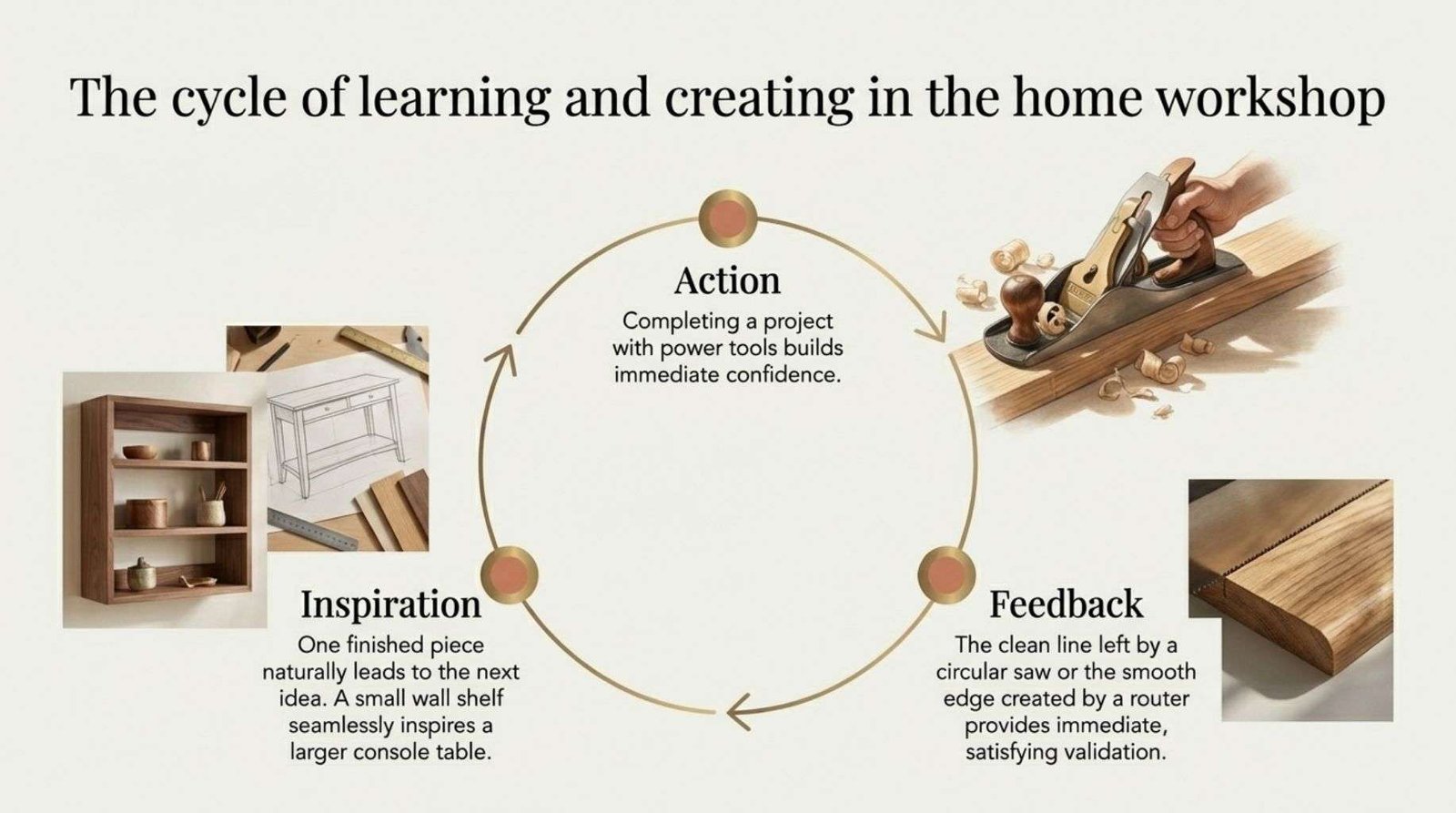
Completing a project with power tools builds confidence.
The clean line left by a circular saw or the smooth edge created by a router provides immediate feedback.
These results encourage further exploration. Many woodworkers find that each finished piece leads naturally to the next idea.
A small project such as a shelf can lead to a larger one such as a console table. The process becomes a cycle of learning and creating.
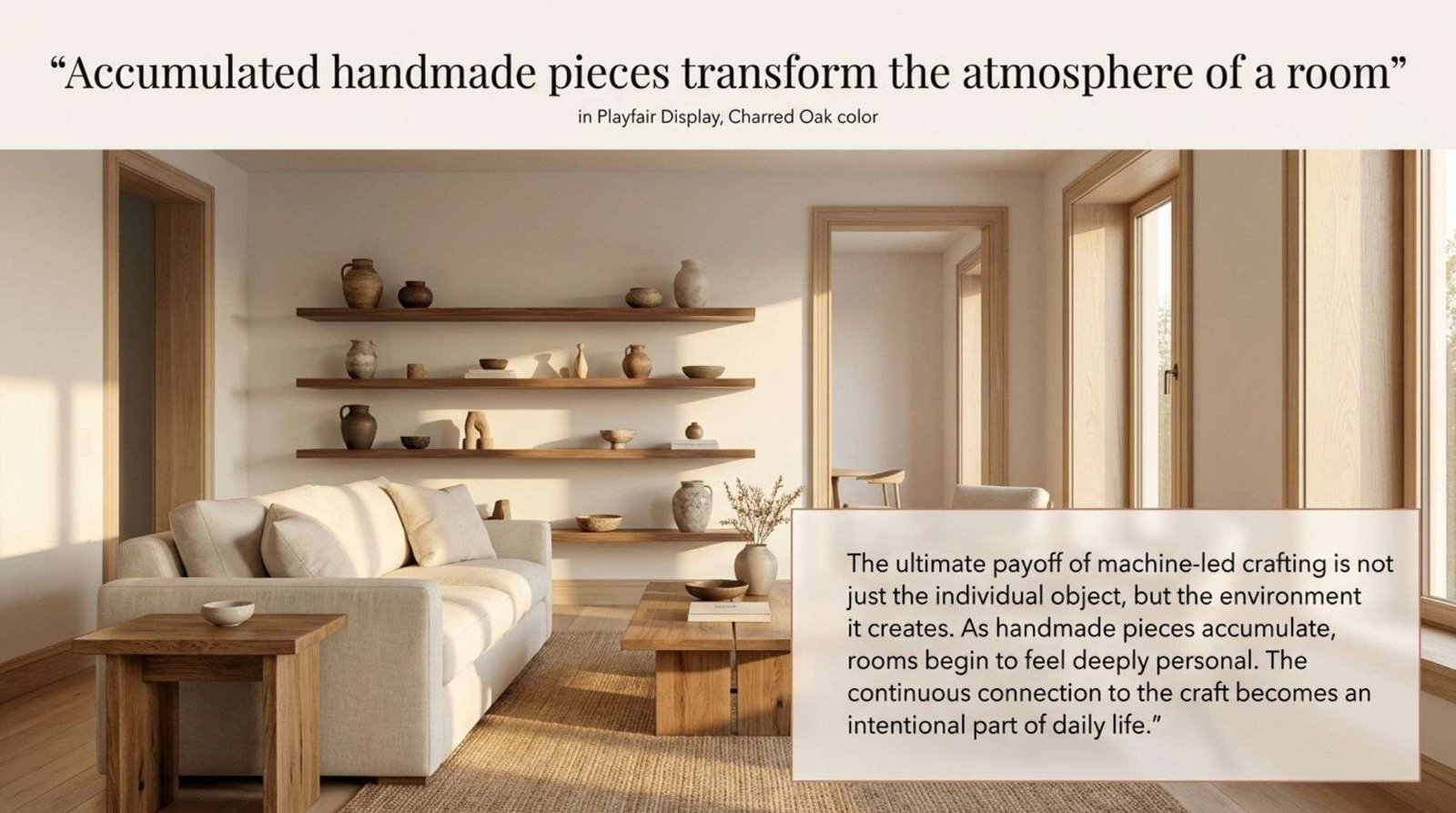
The atmosphere of a home changes as these pieces accumulate. Rooms feel more personal and the connection to the craft becomes part of daily life.
Bringing It All Together.
Power tools open the door to a wide range of home projects. They support precision and creativity.
They allow woodworkers to shape natural materials into pieces that enhance the atmosphere of a home.
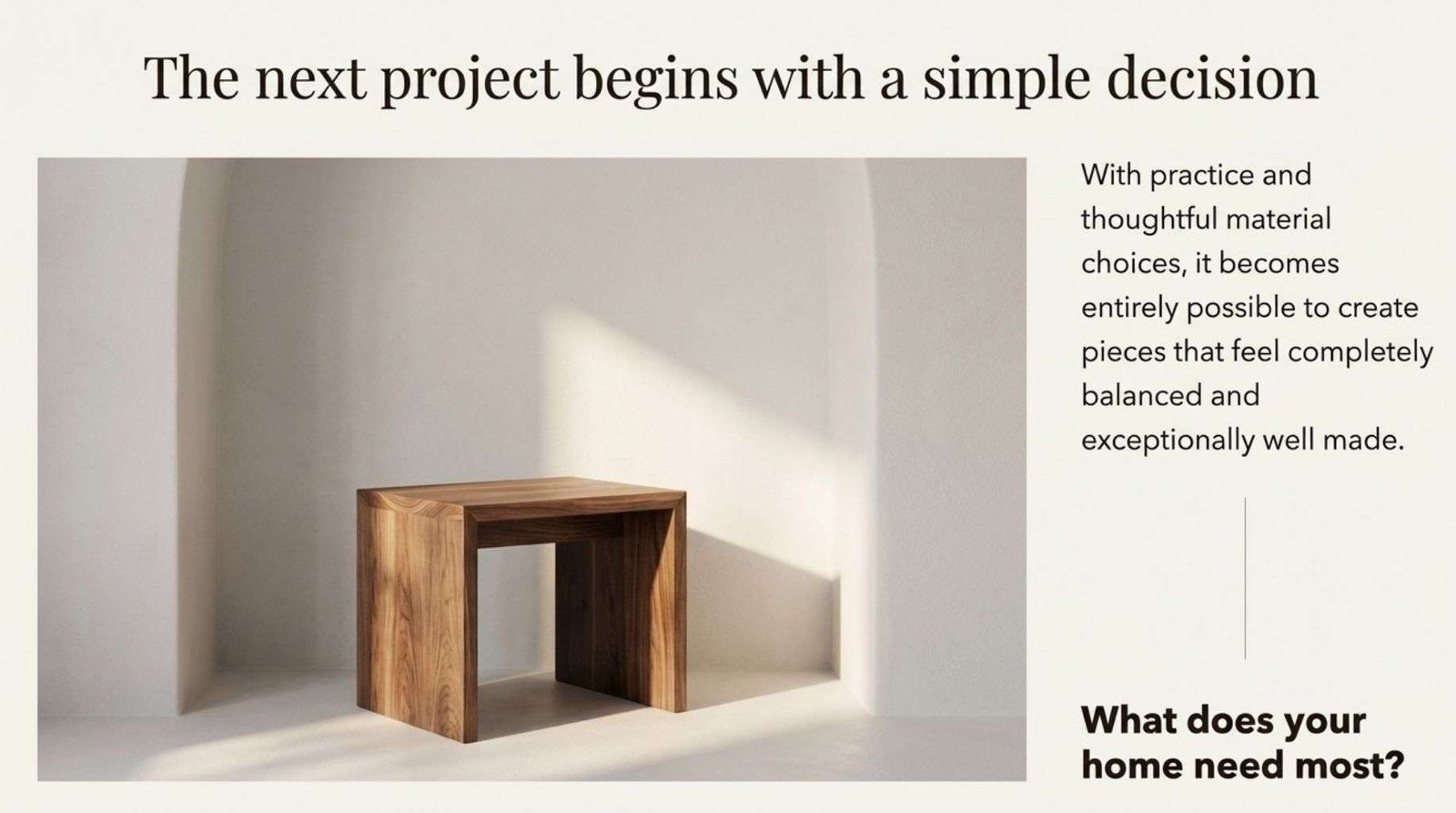
With practice and thoughtful material choices it becomes possible to create furniture and decorative elements that feel balanced and well made.
The next project begins with a simple decision about what the home needs most.