Artistic Woodwork
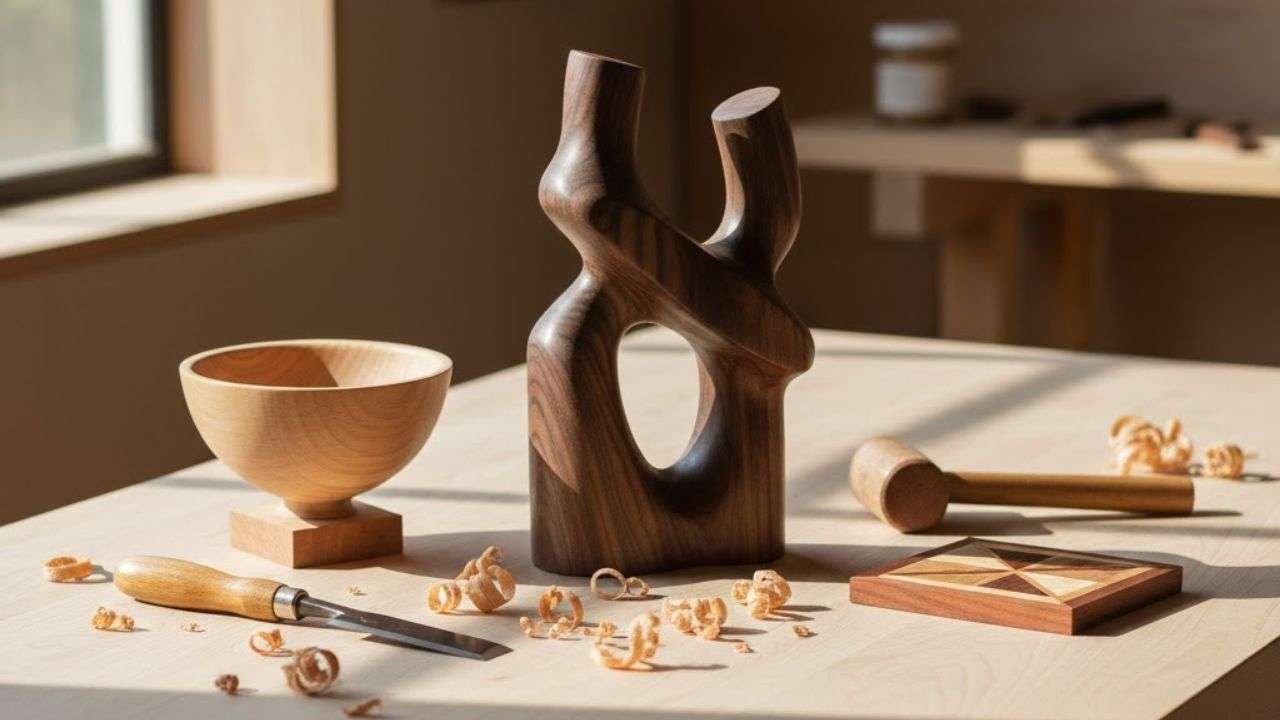
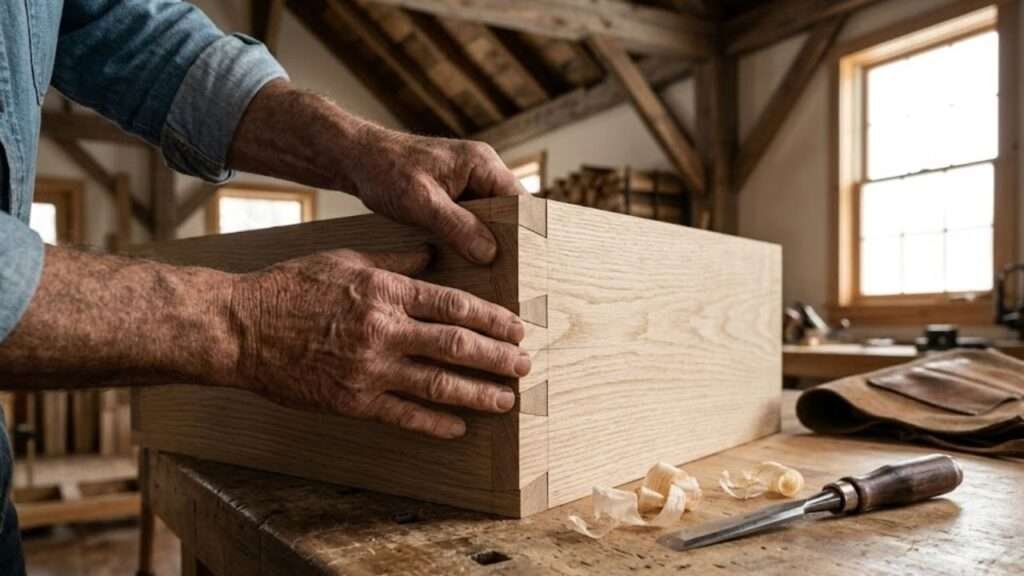
Woodworking often begins with functional projects such as furniture or cabinetry yet many makers eventually discover the artistic potential within the craft.
As foundational skills develop the focus can shift from utility to expression.
This progression opens a path toward creative exploration where wood becomes a medium for personal interpretation and refined craftsmanship.
From Function to Artistic Expression.
The transition from functional work to artistic woodworking usually occurs gradually. As confidence grows woodworkers start to notice the character of different species including grain movement colour variation and texture.
These qualities encourage experimentation with shapes forms and surface treatments that extend beyond practical construction.
Curiosity becomes a driving force and makers begin to explore new ways to express ideas through timber.
Nature as a Source of Inspiration.
The natural world influences many wood artists. Organic shapes found in trees leaves and landscapes often guide the development of carved or sculpted forms.
Curves and flowing lines can be echoed in decorative pieces that highlight the inherent movement within the wood.
Abstract interpretations also play a significant role. By focusing on balance form and texture rather than realism woodworkers can create pieces that invite personal interpretation and emotional response.
Cultural Influences in Wood Art.
Cultural traditions contribute significantly to artistic woodworking. Techniques and motifs from various regions offer inspiration for contemporary work.
Wood carving from the Middle East carving tends to feature intricate geometric patterns. Japanese joinery emphasises precision and simplicity.
African wood art often incorporates bold shapes and rhythmic motifs.
These influences can be adapted and reinterpreted to create pieces that feel both grounded in tradition and relevant to modern design.
Major Forms of Wood Art.
Artistic woodworking includes several established forms each with distinct techniques and creative possibilities. These practices highlight the versatility of timber and the skill required to shape it.
Wood Carving.
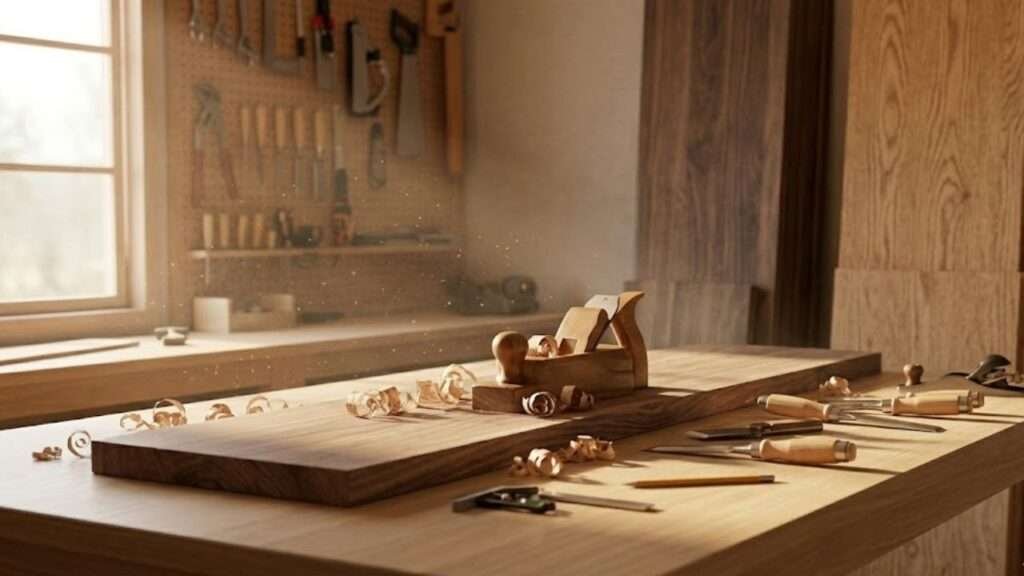
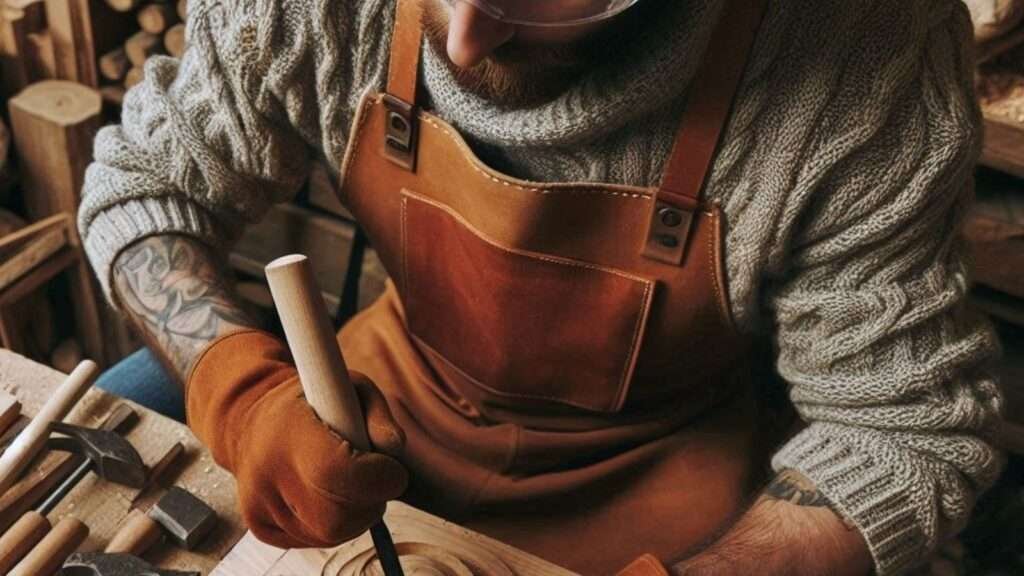
Wood carving involves removing material to create detailed designs or sculptural forms. Techniques range from chip carving to relief carving and freeform shaping. Chisels gouges and knives are commonly used.
Hardwoods such as oak maple and walnut are valued for their strength and fine grain. Carved pieces often combine tactile appeal with visual depth.
Woodturning.
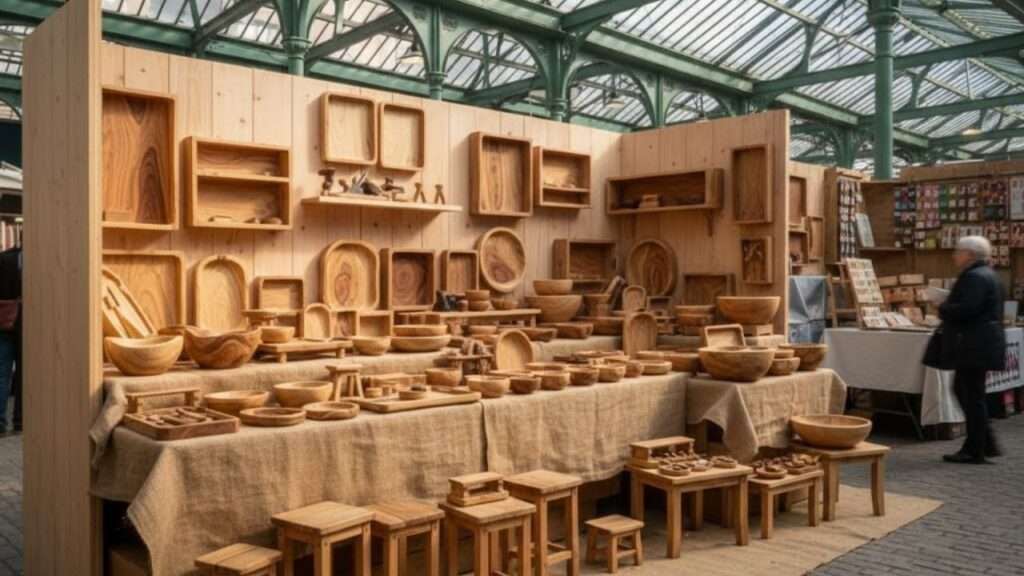
Woodturning uses a lathe to rotate the timber while tools shape it into symmetrical forms. Bowls vases and cylindrical objects are typical outcomes.
Beginners often start with softwoods like pine while experienced turners may prefer hardwoods such as cherry or ash for their grain definition.
Turned pieces are known for their smooth surfaces and balanced forms.
Marquetry.
Marquetry involves assembling thin pieces of veneer to create images or patterns. Precision is essential because each piece must fit cleanly into the design. Veneer saws scalpels and fret saws are standard tools.
Woods with contrasting colours such as ebony rosewood and holly help create striking visual effects. The finished work is flat yet highly detailed.
Intarsia.
Intarsia resembles marquetry but introduces a three dimensional quality. Individual pieces are cut shaped and assembled to create depth and contour.
Scroll saws sanders and hand tools are used to refine each component.
Woods like cedar walnut and poplar are selected for their colour variation and grain. The result is a textured artwork that combines visual and tactile interest.
Developing a Personal Artistic Style.
A distinct artistic style emerges through experimentation.
Trying different techniques tools and wood species helps identify what feels most natural and expressive.
This exploratory phase is essential because it forms the foundation of an individual creative voice.
Skill refinement continues throughout a woodworker’s development. Studying the work of established artists provides insight into design choices surface treatments and structural approaches.
Participation in woodworking communities encourages the exchange of ideas and supports ongoing learning.
Challenging projects also contribute to artistic growth. Attempting new forms or complex designs pushes skills forward and broadens creative range.
Each completed piece adds clarity to a woodworker’s style and strengthens their confidence in their artistic direction.
A Path Toward Creative Fulfilment.
Artistic woodworking offers a rewarding blend of skill development and personal expression. As woodworkers refine their techniques and explore new ideas they often find a deep sense of satisfaction in the pieces they create.
The journey from functional craftsmanship to artistic interpretation reveals the full creative potential of timber and highlights the enduring appeal of wood as a medium for thoughtful and expressive work.