Project Failures
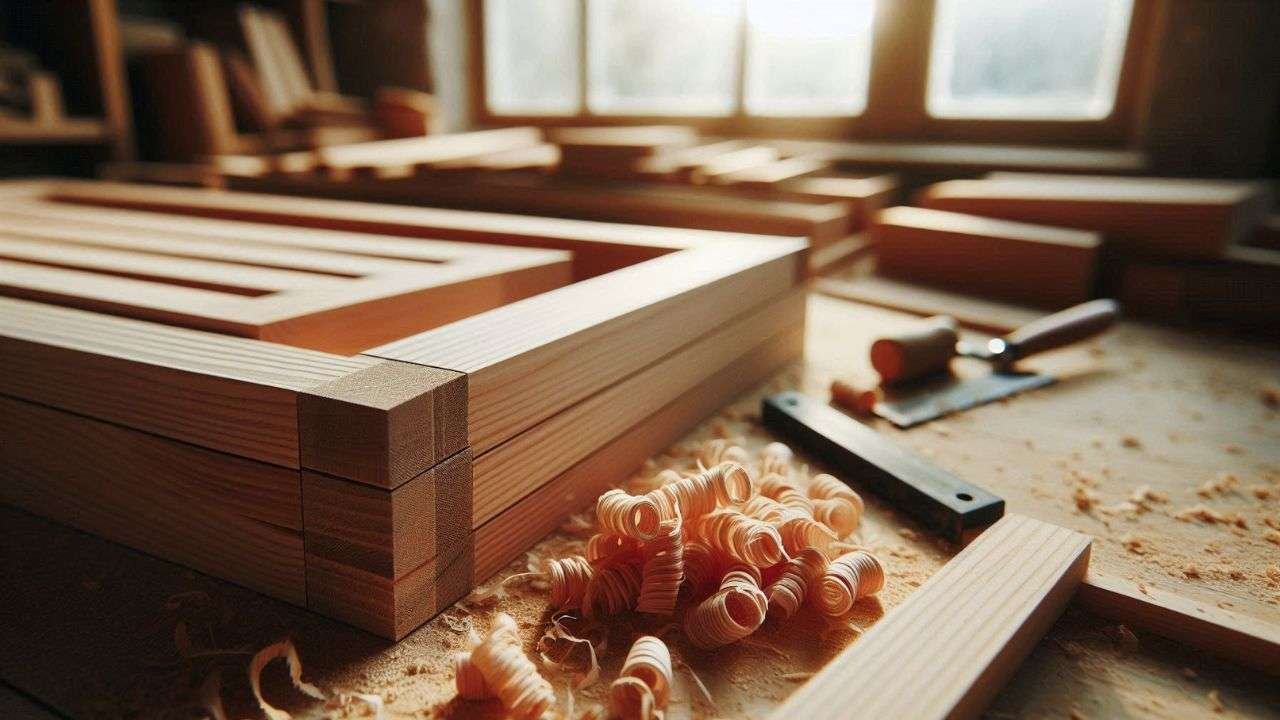
Woodworking is at its best when we allow ourselves to make steady progress through hands-on practice with natural materials.
Failures naturally become part of that process, because wood reacts to tools, moisture and technique in ways we can’t always predict.
When we accept this, we approach the craft with more calm and confidence. In many ways, woodworking is a paradox: good and bad projects coexist, each teaching us something essential.
Understanding the Nature of Failure.
Wood varies in grain density and moisture content which means even a familiar species can behave differently from one board to the next.
A panel that looked flat in the morning may cup slightly by evening. This variability can surprise beginners who expect uniform results.
A nuanced observation is that some failures occur not from inattention but from the natural movement of the material itself.
A trade-off emerges between embracing the organic qualities of timber and maintaining strict dimensional accuracy.
A lived-in example is a small side table that rocks gently on one leg after a week indoors because the timber settled unevenly.
Recognising Early Signs of Trouble.
Many project failures begin with subtle cues. A chisel that drags across end grain may indicate a slight shift in technique.
A joint that feels tight on one side and loose on the other suggests uneven pressure during assembly. These early signs often appear during quiet moments at the bench when the scent of freshly planed pine lingers in the air.
A counter-intuitive insight is that slowing down can reveal more issues than speeding up because careful observation exposes inconsistencies.
The limitation is that early detection requires patience which can be difficult during long builds.
Managing Expectations Through Planning.
Clear planning reduces the likelihood of major setbacks.
Sketching dimensions on paper and laying out components on a clean bench surface helps identify potential conflicts before cutting begins.
Planning also includes selecting timber with compatible grain direction which reduces stress on joints. A lived-in example is arranging boards for a bookshelf and noticing that alternating grain patterns would create visual imbalance.
The nuanced observation is that planning cannot eliminate all failures because wood may still shift during glue-up. The trade-off lies in balancing preparation with the flexibility to adapt.
Responding to Mistakes in Real Time.
When a mistake occurs the most effective response is calm assessment.
A miscut tenon can sometimes be adjusted with a thin shim of matching timber.
A panel that splinters at the edge may be trimmed slightly to restore a clean line. The scent of warm linseed oil on a nearby rag can help ground the moment and encourage steady decision making.
A counter-intuitive insight is that small corrections often improve the final piece because they encourage closer attention to detail. The limitation is that not every error is recoverable which reinforces the value of measured responses.
Learning Through Documentation.
Keeping a written record of projects supports long-term improvement.
Notes about timber behaviour tool performance and finishing results create a personal reference library.
A lived-in example is recording that a particular batch of spotted gum required slower passes with the hand plane due to its density.
The nuanced observation is that documentation reveals patterns that memory alone may overlook. The trade-off is the time required to maintain consistent notes which can feel burdensome during busy periods.
Seeking External Perspectives.
Engaging with other woodworkers provides insights that may not arise through solitary practice.
Observing how someone else approaches a dovetail joint or applies a natural oil finish can reshape personal technique.
The sound of a well-tuned plane gliding across a colleague’s workpiece offers a sensory benchmark for comparison.
A counter-intuitive insight is that experienced woodworkers often share their own failures openly which normalises the learning process.
The limitation is that external advice may not always align with personal style or available tools.
Using Failure to Refine Craftsmanship.
Failures highlight areas that benefit from refinement.
A drawer that sticks slightly when humidity rises demonstrates the importance of seasonal allowances.
A tabletop that shows faint sanding swirls under afternoon light encourages more deliberate surface preparation.
The nuanced observation is that these refinements accumulate quietly over time and shape a more confident craftsperson. The trade-off is that improvement often requires revisiting techniques that once felt comfortable.
Integrating Lessons Into Future Projects.
Applying lessons from past failures strengthens future work. Adjusting joinery methods selecting more stable timber or refining finishing routines all contribute to more reliable outcomes.
A lived-in example is choosing quarter sawn boards for a cabinet door after a previous door warped slightly in summer heat.
The nuanced observation is that improvement rarely arrives in dramatic leaps. Instead it emerges through steady adjustments informed by experience.
Closing Reflection.
Woodwork project failures become meaningful when they guide future decisions.
Each setback offers insight into material behaviour technique and personal approach. By treating failures as part of the craft woodworkers build resilience and develop a deeper connection to their work.