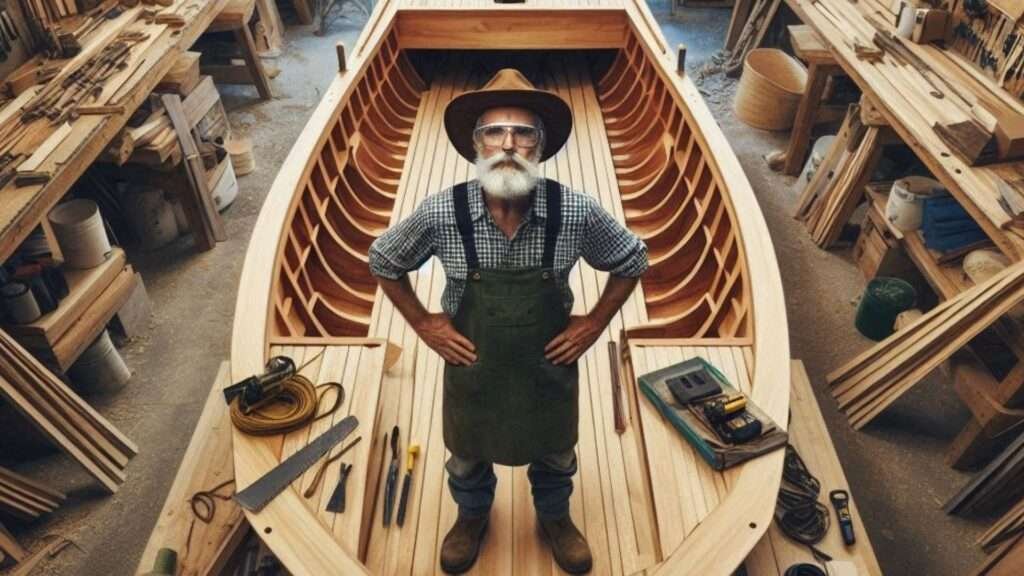
Marine Woodworking
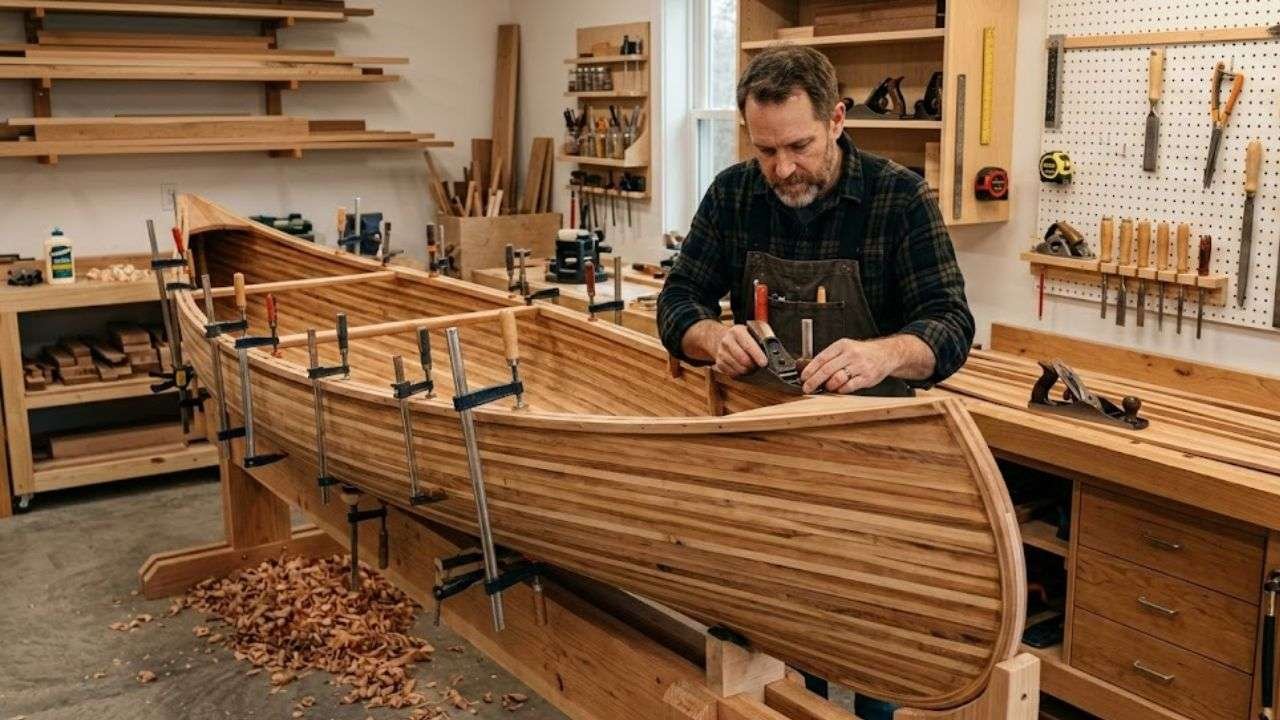
Marine woodworking brings together traditional craftsmanship and contemporary methods to create wooden vessels suited to life on the water.
It supports a calm and purposeful approach to working with natural materials while maintaining a focus on functional design.
The result is a craft that blends precision, creativity and an appreciation for the quiet atmosphere of a well organised workshop.
Foundations of Marine Woodworking.
Marine woodworking centres on the construction of wooden boats and canoes that must perform reliably in aquatic environments.
The work requires an understanding of how wood responds to moisture and movement. Builders focus on shaping components that remain stable while still offering the warm aesthetic that natural timber provides. This combination of performance and visual appeal defines the character of the craft.
Construction of Boats and Canoes.
The construction of wooden watercraft is a core activity in marine woodworking. Builders shape hulls and internal structures with attention to balance and proportion.
The Sassafras 12 canoe is a well known example that demonstrates how careful design supports both function and appearance.
Its form reflects a long tradition of small craft building while also showing how modern methods can streamline the process.
Traditional and Modern Methods.
Marine woodworking draws from established boatbuilding practices and integrates them with contemporary techniques.
Traditional lapstrake construction remains valued for its strength and visual rhythm. Modern approaches such as the LapStitch method developed by Chesapeake Light Craft make it possible for newcomers to achieve consistent results. This combination of heritage and innovation supports a wider community of builders who appreciate natural materials and thoughtful design.
Lightweight Design and Timber Selection.
Lightweight construction is essential for small watercraft.
The Sassafras 12 canoe weighs 12 kg and can carry a substantial load relative to its mass. This balance is achieved through careful timber selection and efficient structural design.
Cedar is a common choice for strip built canoes because it is light and stable. Other species are selected based on grain, workability and the intended use of the vessel.
The following table summarises common wood types used in marine woodworking and their typical applications.
| Wood Type |
Key Qualities |
Common Use |
| Cedar |
Lightweight and stable |
Strip built canoes |
| Mahogany |
Smooth grain and durability |
Trim and decorative elements |
| Oak |
Strength and resilience |
Frames and structural parts |
| Spruce |
Light and straight grained |
Masts and spars |
Kits Plans and Skill Development.
Marine woodworking is accessible through kits and detailed plans that guide builders through each stage of construction.
These resources support individuals who enjoy working in a calm home workshop environment.
Although kits simplify the process they still require an understanding of joinery that resists moisture and movement.
Woodworkers learn how to shape components that fit precisely and how to assemble structures that remain stable over time.
A typical project encourages the development of at least 4 skills:
- Shaping and fairing wooden components.
- Applying water resistant joinery techniques.
- Understanding hull geometry and balance.
- Preparing surfaces for natural finishes.
Decorative and Display Work.
Marine woodworking extends beyond functional boats and canoes.
Many builders create small display models that capture the lines and proportions of traditional craft.
These pieces highlight the beauty of natural timber and allow for experimentation with fine details.
Decorative work supports a slower and more reflective approach to woodworking that fits well within a home workshop setting.
Finishing and Aesthetic Considerations.
Finishing plays a significant role in marine woodworking. Builders select finishes that highlight grain patterns while offering protection from moisture.
Clear coatings preserve the natural appearance of the timber and contribute to a calm and inviting visual character.
Attention to detail in trim work and surface preparation enhances the overall presentation of the vessel.
Integration of Craft and Lifestyle.
Marine woodworking aligns with a lifestyle that values patience and steady progress. The work encourages a quiet focus on shaping natural materials into functional forms.
Many builders appreciate the rhythm of the process and the satisfaction of creating an object that performs well on the water while reflecting personal craftsmanship. The home workshop becomes a place where design and material come together in a balanced and thoughtful way.
Conclusion.
Marine woodworking offers a blend of tradition, modern technique and appreciation for natural materials.
It supports a calm and creative approach to building wooden watercraft and decorative pieces. The craft continues to attract builders who value precision, simplicity and the atmosphere of a well organised workshop.