Artistic Woodwork
Artistic woodwork sits at the intersection of craftsmanship and creative expression. It brings together the tactile qualities of timber, the discipline of fine woodworking, and the personal vision of the maker.
The result is a practice that shapes both objects and the atmosphere of the spaces they inhabit. Many woodworkers describe a shift in their approach once they begin exploring artistic work.
The workshop feels different. The grain becomes a collaborator rather than a constraint. The pace slows and the work gains a sense of intention that is difficult to achieve through functional projects alone.
Defining Artistic Woodwork.
Artistic woodwork is best understood as a practice that uses wood as a medium for creative expression rather than purely functional construction.
The distinction is subtle because many functional pieces contain artistic qualities. The difference lies in the maker’s priorities.
Artistic woodwork places form, interpretation, and material presence at the centre of the process.
A carved panel that highlights the curl of figured maple or a sculpted vessel that draws attention to the contrast between sapwood and heartwood both demonstrate this shift in focus.
The sensory qualities of timber play a significant role. The warmth of a freshly planed surface or the faint resin scent released when shaping softwoods influences the maker’s decisions.
Artistic woodwork often involves extended periods of close observation. A single knot or ripple in the grain may guide the entire composition. This attention to detail can surprise experienced woodworkers because it changes the rhythm of the workshop. The work becomes slower and more exploratory.
A nuanced observation emerges when comparing artistic and functional woodworking. Many assume artistic work requires more complex techniques.
In practice the opposite can be true. Some of the most compelling artistic pieces rely on restraint and selective shaping rather than elaborate joinery.
This counter intuitive shift challenges the assumption that complexity always leads to stronger artistic outcomes.
The Meaning of Artistic Woodworking in a Contemporary Workshop.
In a modern home workshop artistic woodworking often becomes a way to create a calm and reflective environment.
The act of shaping timber by hand encourages a steady pace.
The sound of a sharp chisel pairing end grain or the soft rasp of sandpaper on a curved surface creates a sense of focus that is difficult to replicate in other creative disciplines.
Artistic woodworking also expands the role of the workshop within the home.
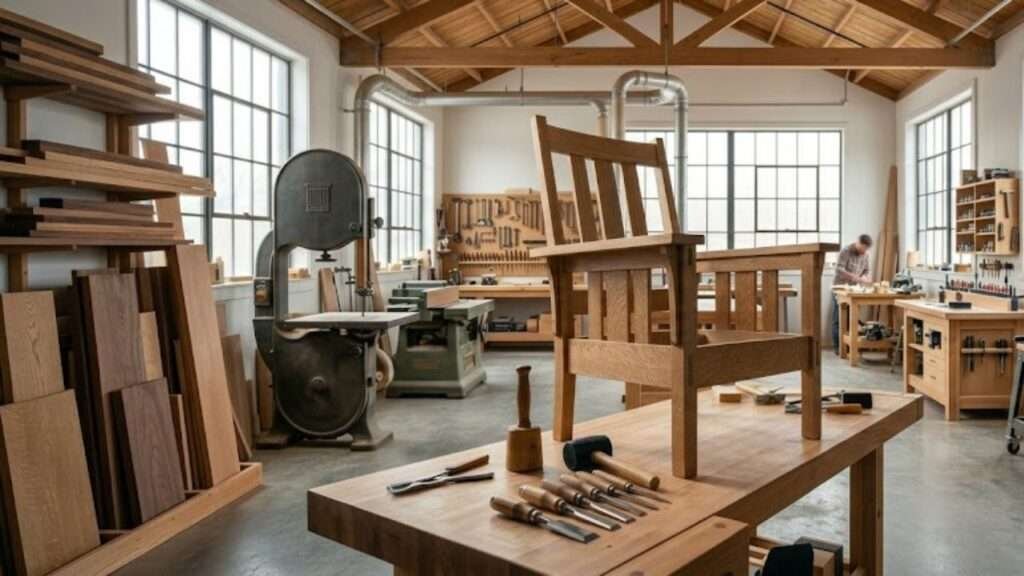
A small bench near a window with natural light can become a place for sketching forms or testing finishes.
The presence of timber offcuts with interesting grain patterns encourages experimentation. A maker might carve a small decorative element from a leftover piece of walnut simply because the colour shift between the sapwood and heartwood invites attention.
There is a practical limitation worth noting. Artistic work often requires more space for layout and visual assessment than functional projects.
A sculptural piece may need to be viewed from multiple angles. This can be challenging in compact workshops. Makers often adapt by rotating pieces on a small turntable or by working outdoors when weather allows.
Types of Wood Products in Artistic Woodwork.
Artistic woodwork encompasses a wide range of products.
Each category offers different opportunities for expression and different relationships with the material.
- Wooden sculptures that emphasise form and surface texture.
- Handcrafted furniture that integrates artistic elements into functional designs.
- Decorative wood items such as relief carvings or wall panels.
- Wooden art pieces that highlight grain patterns or natural edges.
- Custom wood products created for specific interior spaces.
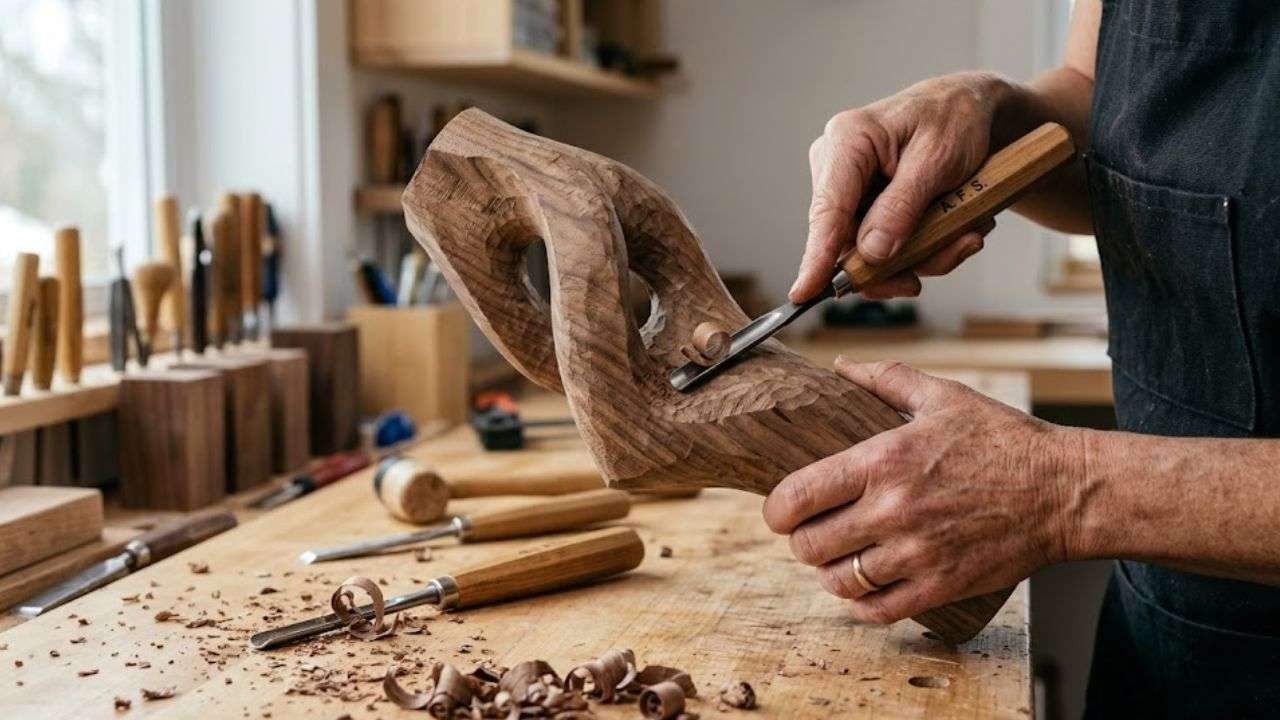
Wooden sculptures often begin with a block of timber that contains visual potential. The maker studies the grain direction and density before removing material. The tactile feedback from the tools guides the process. A sculpture carved from a dense hardwood like jarrah feels different under the chisel compared to a softer species like cedar.
Handcrafted furniture with artistic qualities may incorporate sculpted legs or shaped edges that draw the eye.
A dining chair with a gently curved backrest made from a single piece of ash demonstrates how artistic intent can elevate a functional object.
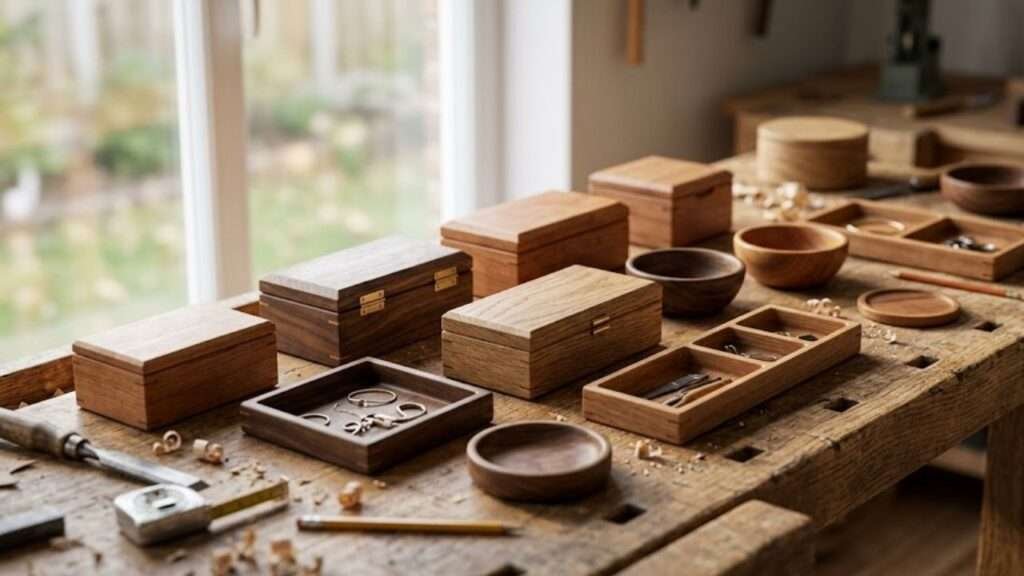
Decorative items often rely on fine detail. A carved motif on a jewellery box lid or a turned bowl with a textured rim adds visual interest without overwhelming the form. A small tangential observation arises when considering custom wood products. Many makers keep a collection of unusual offcuts because they hold potential for future artistic pieces.
A narrow strip of highly figured blackwood might sit on a shelf for years until the right project appears. This quiet habit reflects the long term relationship many woodworkers develop with their materials.
A Useful Comparison of Artistic Woodwork Categories.
The following table outlines distinctions between common artistic woodwork categories. It highlights how each type engages with material, form, and workshop practice.
| Category |
Primary Focus |
Typical Techniques |
Sensory Qualities |
| Wooden sculptures |
Form and expression |
Carving, shaping, sanding |
Strong tactile surfaces and visible grain movement |
| Handcrafted furniture |
Functional art |
Joinery, shaping, finishing |
Smooth surfaces and balanced proportions |
| Decorative items |
Detail and ornamentation |
Relief carving, fine sanding |
Subtle textures and precise edges |
| Wooden art pieces |
Material presence |
Turning, natural edge shaping |
Contrast between sapwood and heartwood |
| Custom products |
Site specific design |
Mixed techniques |
Harmonised colour and grain selection |
Tools Used in Artistic Woodwork.
The tools used in artistic woodwork vary depending on the maker’s style.
Some rely heavily on hand tools while others integrate power tools for efficiency.
The key is selecting tools that support controlled shaping and refined surface preparation.
- Carving tools such as chisels and gouges for shaping curves and removing material.
- Woodturning tools for creating symmetrical forms on a lathe.
- Sanding equipment for refining surfaces and preparing for finishing.
- Power tools for rough shaping and efficient stock removal.
Carving tools form the foundation of many artistic practices.
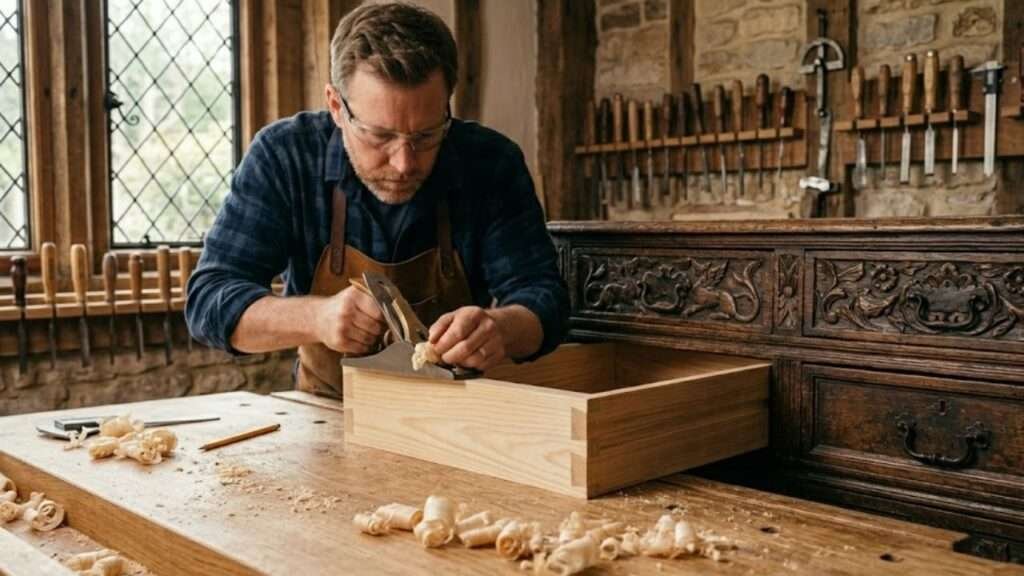
A sharp gouge gliding through hardwood produces thin shavings that curl tightly. The sound changes as the tool moves across different grain directions.
This feedback helps the maker adjust pressure and angle. Woodturning tools introduce rotational symmetry. A turned vessel made from a dense timber like spotted gum develops a smooth surface that reflects light in a controlled way.
Sanding equipment plays a larger role in artistic work than many expect. Fine grits reveal subtle grain transitions.
A sculpted piece may require hand sanding with flexible backing to maintain the integrity of curves. Power tools such as angle grinders fitted with shaping discs allow rapid removal of material.
They are useful for establishing broad forms before switching to hand tools for refinement. A practical trade off appears when using power tools for artistic shaping. They save time during rough work but can remove material faster than intended. This requires careful planning.
Many makers mark reference lines on the timber to avoid over shaping. The balance between efficiency and control becomes a central consideration.
Creative Wood Crafting as a Lifestyle Practice.
Artistic woodworking often becomes part of a broader lifestyle.
The workshop becomes a place where natural materials and personal expression meet. A piece of timber with visible medullary rays or a subtle colour shift can inspire a new project.
The process encourages observation. A maker might notice how morning light falls across a half finished sculpture and adjust the form to enhance the shadows. This lifestyle approach also influences how tools are maintained. Sharp edges matter.
A well honed chisel produces cleaner cuts and reduces the need for heavy sanding. The act of sharpening becomes a quiet ritual that prepares the mind for focused work. The smell of linseed oil on a freshly conditioned handle adds to the sense of continuity between tool and craft.
The rhythm of artistic woodworking differs from production oriented work.
There is room for pauses. A piece may sit on the bench for days while the maker considers the next step. This slower pace supports thoughtful decision making and leads to pieces that feel resolved rather than rushed.
Integrating Artistic Woodwork Into Home Spaces.
Artistic woodwork has a natural place within domestic environments.
A sculpted bowl on a side table or a carved wall panel near an entryway adds warmth and texture. These pieces influence the atmosphere of a room.
Timber absorbs and reflects light in ways that create subtle visual depth.
A piece made from a species with strong figure such as fiddleback blackwood can become a focal point without dominating the space.
Makers often design pieces with specific rooms in mind. A narrow hallway may suit a tall slender sculpture.
A living room with soft natural light may benefit from a low profile wooden art piece that highlights grain patterns. This connection between object and environment strengthens the role of artistic woodworking within the home.
There is a small limitation to consider. Artistic pieces require stable humidity to prevent movement or cracking.
Homes with fluctuating conditions may need simple adjustments such as placing pieces away from direct heat sources. These considerations ensure longevity without compromising the creative intent.
Closing Thoughts.
Artistic woodwork offers a path toward deeper engagement with timber and the creative process. It encourages careful observation and a slower pace. The workshop becomes a place where material qualities guide decisions and where each piece develops its own character.
This approach enriches both the craft and the spaces where the finished work resides.