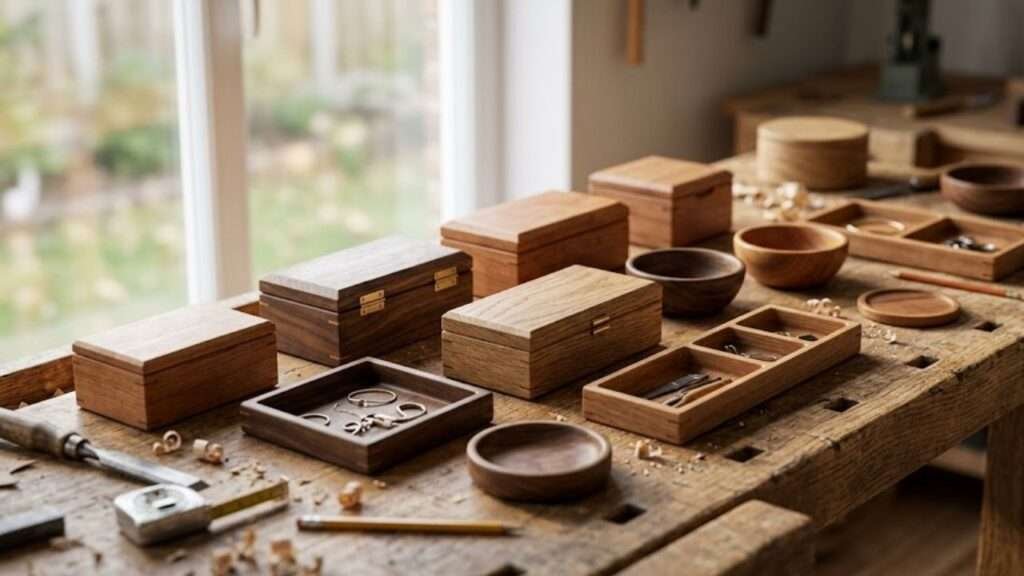
Beautiful Wood
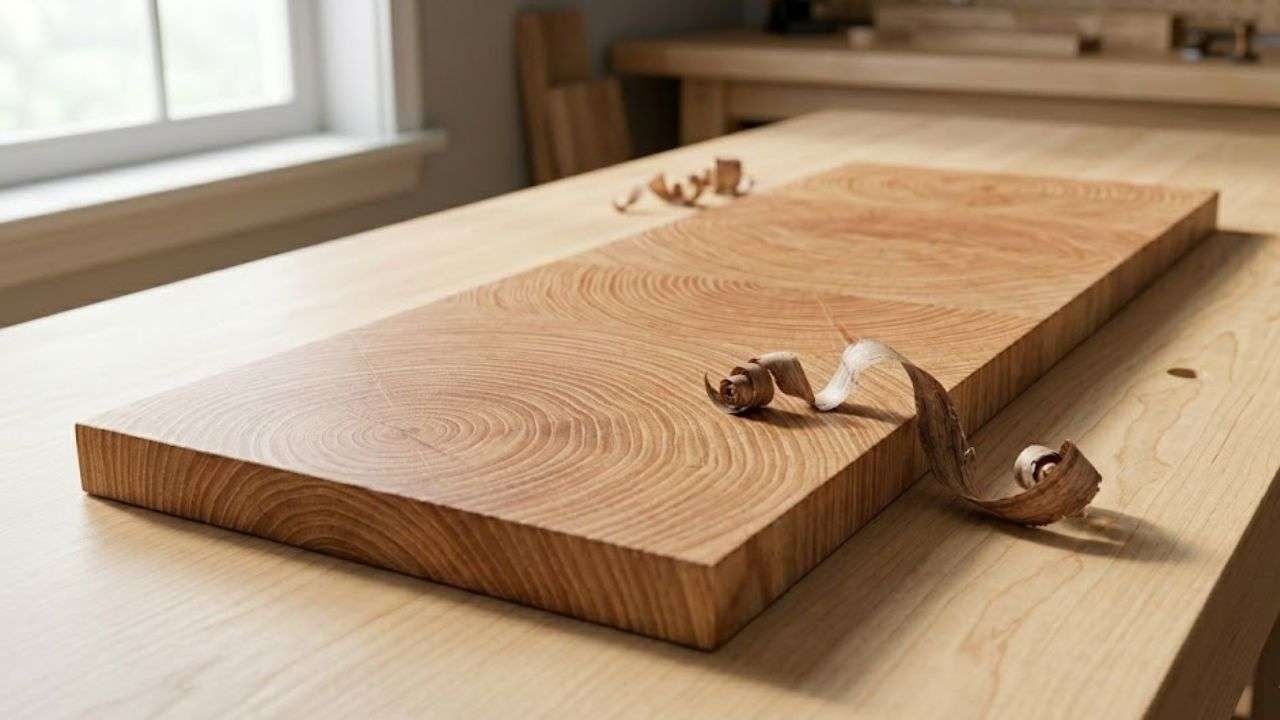
The appeal of wood sits quietly in many homes. A polished edge catches the morning light. A hand follows the grain without thinking.
People respond to these details with a sense of recognition that feels immediate and steady. Wood offers a presence that does not compete with the room.
It supports it. Articles written on this subject will typically explore how that presence forms, how finished work can elevate it and how thoughtful care preserves it across years of use.
Understanding the Appeal of Natural Timber.
Many people respond to wood because it carries visible traces of its origin. The grain lines in a piece of spotted gum or blackwood shift under different angles of light. The surface feels warm even in a cool room.
These qualities create a sense of continuity between the natural world and domestic space. A shelf made from a single board of Tasmanian oak can soften a room that would otherwise feel rigid.
The appeal is not only visual. The slight resistance of a hand-planed surface under the fingertips adds a tactile dimension that synthetic materials rarely match. Even the faint scent released when sanding a piece of cedar can influence how a workshop feels on a quiet afternoon.
A counter-intuitive observation emerges when comparing species.
Some of the most visually striking timbers are not the ones with the boldest figure. Subtle, even grain often ages more gracefully than dramatic patterns.
This surprises many experienced woodworkers who expect the opposite.
How Wood Interacts With Light.
Light shapes the appearance of timber more than any other factor.
A board of jarrah can look deep and calm in low light then shift toward a richer tone when sunlight moves across it. This interaction gives wooden furniture a sense of movement without any physical change.
Different finishes influence this relationship. A satin finish diffuses light and reduces glare. An oil finish deepens colour and highlights grain variation.
A high-gloss finish reflects the environment around it which can be useful in formal spaces but less suitable for relaxed rooms.
A small tangential observation arises when working near a window.
Dust floating in a beam of light often reveals the direction of grain tear-out before the surface is fully inspected.
It’s a reminder that light does more than illuminate, it informs.
Enhancing Beauty Through Surface Preparation.
Surface preparation determines how well a finish performs. A board that has been planed with a sharp blade shows crisp fibres that accept oil evenly.
Sanding to a consistent grit ensures predictable absorption. The difference becomes clear when applying the first coat. The surface darkens uniformly and the grain becomes more defined.
The following steps help maintain consistency.
- Use a sharp plane or scraper to remove milling marks.
- Sand progressively without skipping grits.
- Remove dust thoroughly before finishing.
- Test the finish on an offcut from the same board.
Each step influences the final appearance. A single missed scratch can become more visible after oil is applied.
The trade-off is time. Careful preparation extends the build process which can delay project completion. The result justifies the effort when the surface reveals depth and clarity.
Choosing Finishes That Support Natural Character.
Finishes vary in how they interact with timber. Oils penetrate the fibres and highlight natural colour. Waxes add a soft sheen and a smooth touch.
Film finishes such as varnish or polyurethane create a protective layer that sits above the wood.
The choice depends on the intended use. A dining table benefits from a durable film finish because it must resist spills and frequent cleaning.
A decorative box or a wall shelf can rely on oil or wax because the demands are lighter. A table helps compare common finish types.
| Finish Type | Appearance | Durability | Maintenance |
| Oil | Warm and natural | Moderate | Occasional reapplication |
| Wax | Soft sheen | Low | Frequent touch-ups |
| Varnish | Clear and protective | High | Minimal |
| Polyurethane | Glossy or satin | Very high | Minimal |
The sensory detail becomes clear when applying oil to a piece of walnut.
The surface darkens immediately and the grain appears to lift. The transformation is subtle yet satisfying.
Design Choices That Highlight Timber Qualities.
Design influences how wood is perceived. A wide tabletop made from a single slab emphasises grain continuity.
Narrower boards arranged with alternating growth ring orientation create stability and a balanced appearance. The choice depends on the desired effect.
Edges also matter. A slight round-over softens the feel of a piece.
A chamfer adds definition. A square edge suits modern interiors where clean lines are preferred. Running a hand along each edge during shaping reveals how small adjustments change the tactile experience.
Joinery contributes to visual appeal. Exposed dovetails in a drawer show craftsmanship and create a focal point.
Mortise and tenon joints remain hidden but provide structural confidence. The sound of a joint seating correctly during assembly is a small moment that many woodworkers remember.
Preserving Beauty Through Regular Care.
Wood responds to its environment. Humidity changes cause movement. Sunlight alters colour. Regular care helps manage these effects.
A light application of wax on an oiled surface restores sheen and reduces dryness. Cleaning with a damp cloth removes dust without damaging the finish.
Placement matters. A wooden cabinet positioned near a heater may dry out faster. A table placed in direct sunlight may lighten unevenly.
Observing these changes over time helps guide maintenance decisions.
The scent of freshly applied wax in a quiet room reinforces the connection between care and atmosphere. It signals that the piece remains part of daily life rather than a static object.
Why Wood Ages With Character.
Timber develops patina as it ages. Small marks accumulate. Colour shifts.
These changes contribute to the sense that wooden objects belong to the spaces they occupy. A cutting board used daily acquires a surface that reflects its history. A bookshelf darkens slightly where books shield sections from light.
This ageing process is not deterioration. It is a record of use. Many people value older pieces because they show evidence of time.
The warmth of aged pine or the mellow tone of old oak often surpasses the appearance of new boards.
The nuance lies in balancing preservation with acceptance. Some marks should be repaired. Others should remain. The decision depends on the purpose of the piece and the preferences of the owner.
Sustaining a Wood-Centred Home Environment.
Living with wooden objects encourages a slower pace. A bench made from reclaimed timber invites touch.
A handmade frame around a photograph adds depth to a wall. These elements contribute to a home that feels grounded.
Workshops also reflect this atmosphere. The sound of a plane shaving a thin curl from a board creates a rhythm that shapes the day.
The texture of sawdust underfoot signals progress. These details influence how woodworkers relate to their craft.
A home that incorporates wood in thoughtful ways becomes more cohesive. Each piece supports the others. The result is an environment that feels calm and intentional.
Closing Thoughts.
Wood offers beauty that develops through interaction with light, touch and time. Finished work enhances these qualities when preparation and design align with the natural character of the material.
Care preserves the surface and supports long-term use.
The appeal of wood endures because it remains connected to the physical world in ways that enrich daily life.