Best Woodwork Business

A woodworking life gains strength when the work aligns with personal rhythm. The projects that feel natural often become the ones that sustain long practice.
A workshop built around genuine interest holds a different atmosphere.
Tools rest where they belong. Offcuts stay useful. The space feels lived in rather than managed.
Choosing a woodworking business is not only a commercial decision, it’s a lifestyle decision that shapes every day.
Understanding Personal Alignment.
Many woodworkers begin with broad enthusiasm then narrow their focus as they notice which tasks feel steady and which feel forced.
The grain of this process is subtle. It shows up in the way a person reaches for a favourite chisel or how they prepare a bench before starting a piece.
The alignment becomes clearer over time.
Some woodworkers enjoy long hours of quiet joinery. Others prefer the pace of furniture restoration where each piece arrives with its own history.
A few thrive on custom commissions that require close client interaction. The sensory detail of each path differs.
The scent of freshly planed pine in a small workshop feels different from the dry dust of reclaimed hardwoods in a restoration space.
A counter intuitive observation often emerges. The work that looks most profitable from the outside is not always the work that produces the strongest long term results.
The business that grows steadily is usually the one that matches the maker’s natural habits.
Recognising the Rhythms of Daily Practice.
A woodworking business is shaped by the pace of its tasks. Some processes require long uninterrupted stretches. Others fit into shorter cycles.
The rhythm matters because it influences how a workshop feels at the end of a week. A maker who enjoys slow shaping work may find satisfaction in hand tool furniture.
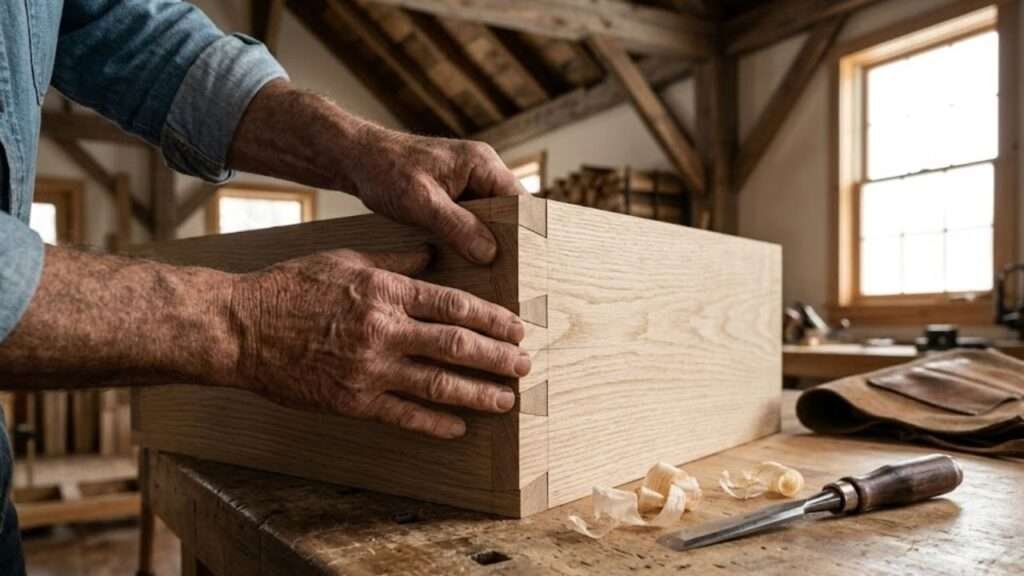
The sound of a plane across a long board can set a calm tone for the day.
A different rhythm appears in cabinetry where precision and sequencing dominate. The click of a tape measure and the soft thud of a mallet become part of the environment.
The trade off is practical. A business built on slow craft may limit output. A business built on fast turnaround may reduce time for refinement.
Neither path is superior. The choice depends on which rhythm supports consistent energy.
- Slow craft supports deep focus and long form creativity.
- Faster production supports predictable scheduling and steady income.
- Mixed workflows require careful planning to avoid bottlenecks.
The right rhythm is the one that feels sustainable when repeated many times.
Working With Materials That Feel Natural.
Woodworkers often discover that certain species feel more intuitive than others. The tactile response of a timber can influence the entire experience of a project.
The smooth surface of Tasmanian blackwood under a cabinet scraper encourages careful shaping. The coarse texture of spotted gum demands firmer control and sharper edges.
A business built around preferred materials tends to develop a recognisable identity. Clients notice the consistency.
The workshop becomes known for a particular look or feel. This identity grows from the physical relationship between hands and timber.
A small tangential observation often appears here. Many woodworkers keep a single offcut of a favourite species near the bench.
It becomes a reference point for colour and texture. It also becomes a reminder of why they chose this craft.
A table can help clarify how material preference shapes business direction.
| Material Preference | Typical Work | Workshop Atmosphere | Business Implication |
| Softwoods | Homewares and light furniture | Bright scent and easy shaping | Faster production cycles |
| Native hardwoods | High quality furniture | Dense dust and slower shaping | Higher pricing and longer lead times |
| Reclaimed timber | Restoration and custom builds | Variable texture and irregular stock | Unpredictable supply and unique outcomes |
| Fine exotics | Decorative work | Precise handling and careful storage | Niche market with specialised clients |
Building Client Relationships That Support Craft.
Client interaction shapes the experience of running a woodworking business. Some woodworkers enjoy detailed conversations about design.
Others prefer clear briefs and minimal negotiation. The right business model supports the preferred level of communication.
A workshop that focuses on custom dining tables may require frequent updates and design approvals.
The grain pattern of a slab or the tone of an oil finish often becomes part of the discussion. A business that produces small batch homewares may rely on consistent product lines with limited variation.
The nuance lies in understanding how client expectations influence daily work.
A maker who enjoys collaborative design may find energy in these conversations. A maker who prefers quiet bench time may feel drained by constant communication.
- Clear boundaries help maintain workflow.
- Transparent timelines reduce pressure.
- Consistent communication builds trust.
The best client relationships are those that respect the craft and the pace of the workshop.
Designing a Workspace That Matches the Work.
A woodworking business grows from the physical layout of the workshop.
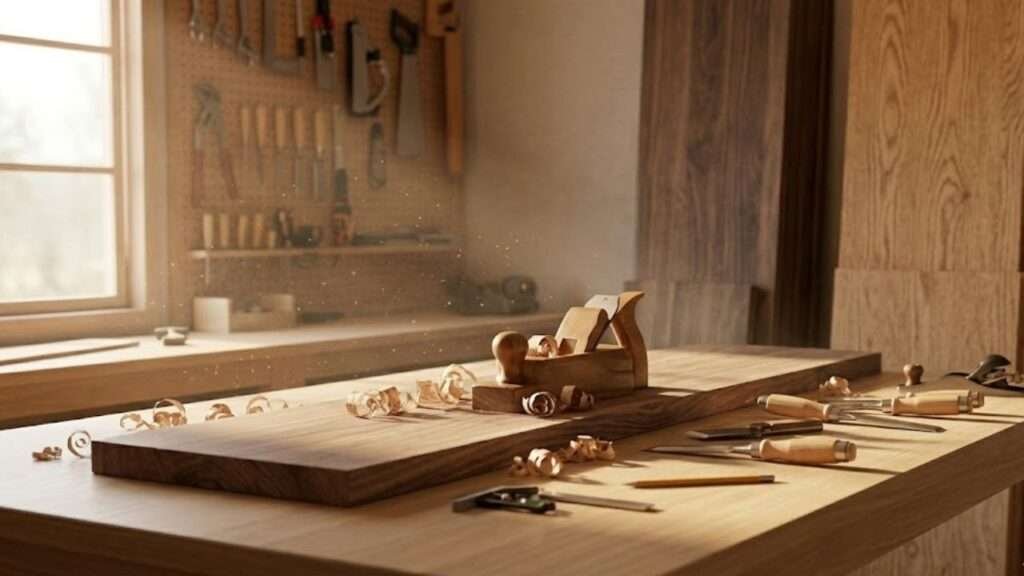
The arrangement of tools, benches and storage influences both efficiency and comfort. Light falling across a bench at the right angle can make fine work easier. A well placed dust extractor can change the entire feel of the space.
A business built around hand tools may require open bench space and quiet corners. A business focused on cabinetry may need large assembly areas and reliable machinery.
The sensory detail of each environment differs. The hum of a thicknesser creates a different atmosphere from the soft rasp of a spokeshave.
A limitation appears when space is tight. Large projects become difficult to manoeuvre. Storage for timber becomes constrained.
his limitation is specific and practical. It forces a decision about the scale of work the business can support.
A workspace that matches the chosen focus reduces friction. It also supports long term comfort which becomes essential as years of practice accumulate.
Pricing Work in a Way That Reflects Values.
Pricing is often the most challenging part of a woodworking business. It requires balancing time, materials and the value of skill.
The texture of this decision is rarely discussed.
It shows up in the quiet moment when a maker writes a quote and wonders whether the number reflects the true effort.
A business built around work the maker enjoys tends to produce more accurate pricing. The maker understands the time required because the tasks feel familiar. The grain of the work is predictable. The finish behaves as expected.
A nuanced observation arises here. Clients often respond positively to pricing that reflects confidence.
When a woodworker values their own time the client senses the professionalism. This does not guarantee acceptance but it strengthens the relationship.
- Transparent pricing builds trust.
- Consistent pricing builds stability.
- Value based pricing builds identity.
The best pricing structure is the one that supports both the craft and the person doing it.
Sustaining Motivation Through Long Practice.
A woodworking business becomes sustainable when motivation remains steady. This motivation does not come from external pressure. It comes from the satisfaction of shaping timber into something useful.
The sound of a sharp chisel entering end grain can restore focus. The warmth of a freshly sanded board can renew interest.
Motivation grows when the work aligns with personal preference. A maker who enjoys shaping curves will find energy in projects that require sculptural forms.
A maker who enjoys precise joinery will find satisfaction in cabinetry. The alignment becomes a source of resilience during busy periods.
A short section can carry weight. The best woodworking business is the one that feels natural to repeat.
Closing Perspective.
A woodworking life gains strength when the business reflects the maker’s genuine interests.
The alignment between craft and daily practice creates a stable foundation. The workshop becomes a place where work and enjoyment coexist. The business grows from this foundation with steady purpose.