Forestry And Lumber Industry
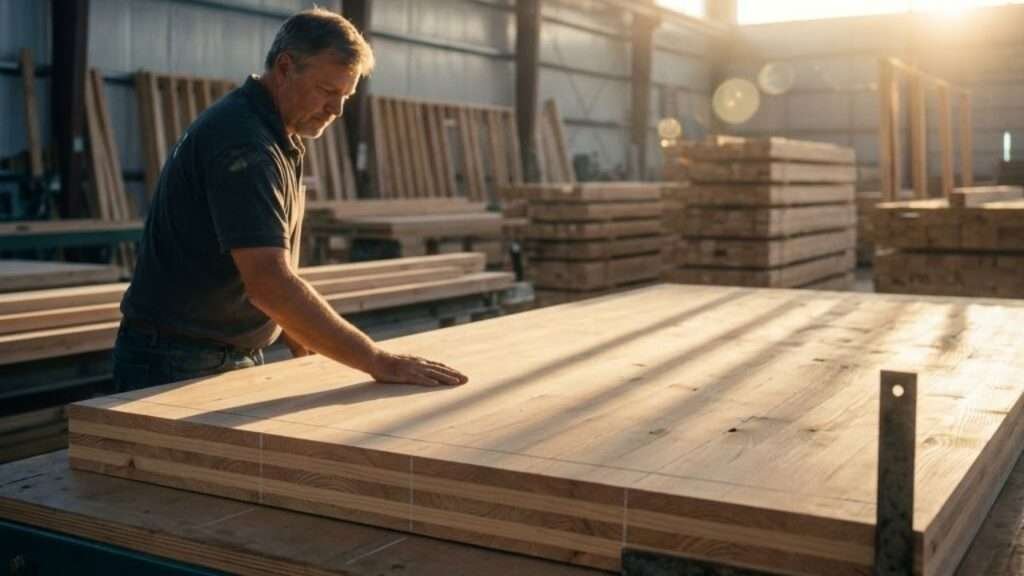
The relationship between forestry and woodworking is often described in broad terms, yet it is felt most clearly in the quiet moments when a board is lifted from a stack and its grain catches the light.
The path from forest to workshop is long, steady and shaped by decisions that influence the character of every finished piece. Articles in this space will typically explore that path through the lens of a woodworker who values natural materials and the atmosphere they create in the home.
Understanding Forest Origins.
Woodworkers often speak about species selection as if it begins at the timber yard. In practice it begins much earlier in the forest where soil, rainfall and sunlight shape the density and colour of the wood.
A stand of blackbutt growing on a dry ridge produces timber with a noticeably different tone compared to trees growing in deeper, cooler soil.
The scent of freshly cut sapwood in these environments is sharp and slightly sweet which is a detail that stays with anyone who has walked through a managed forest at dawn.
Forestry operations balance growth cycles with long term planning. Trees are harvested only when they reach maturity which can take several decades.
This slow pace influences the woodworker’s mindset because it highlights the value of each board.
A single log may yield a range of textures from tight grain near the heart to broader patterns near the outer rings. These variations are not flaws. They are reminders of the tree’s growth history.
A small tangential observation arises when considering how forest light behaves.
The filtered glow that falls across the forest floor often resembles the soft light in a workshop during late afternoon. Both settings encourage a slower pace which is useful when selecting boards for a project that requires visual harmony.
How Timber Is Processed.
Once harvested the log enters a structured process that determines its final qualities. Sawing patterns influence stability and appearance.
Quarter sawn boards resist movement more effectively which is why they are often chosen for tabletops that must remain flat across seasonal changes.
Plain sawn boards display wider grain patterns that suit decorative panels. The sound of a saw blade entering green timber is distinct.
It has a damp resonance that differs from the crisp tone heard when cutting seasoned boards in a home workshop.
Kiln drying is a critical stage. Moisture is removed slowly to prevent internal stress. The woodworker benefits from this precision because stable boards reduce the likelihood of warping during construction.
However there is a trade off. Kiln dried timber can feel slightly more brittle when planed compared to air dried stock which retains a softer tactile quality.
This difference becomes noticeable when working with hand tools that respond to subtle changes in density.
Grading follows drying. Boards are inspected for knots, checks and grain irregularities. These characteristics influence price and suitability for different projects. A knot that might be undesirable in a structural beam can become a focal point in a decorative wall panel.
The grading system provides clarity yet it does not replace the woodworker’s judgement which is shaped by experience and the tactile feedback of running a hand across the surface.
Sustainable Forestry Practices.
Sustainability is often discussed in broad terms yet its practical impact is felt directly in the workshop.
Responsible forestry ensures that species remain available for future generations. Selective harvesting, regeneration programs and long term monitoring create a stable supply chain.
The scent of eucalyptus regrowth after rain is a reminder that forests are living systems rather than static resources.
Certification schemes provide assurance that timber comes from responsibly managed forests. These systems track the material from stump to mill which supports transparency.
For the woodworker this means that the board on the bench carries a history that aligns with personal values.
Choosing certified timber is not only an environmental decision. It is also a commitment to craftsmanship that respects the origin of the material.
A counter intuitive insight emerges when examining sustainable forestry.
Many people assume that leaving forests untouched is the best way to protect them. In reality well managed harvesting can improve forest health by reducing overcrowding which allows remaining trees to grow stronger.
This principle mirrors the workshop practice of removing excess material to reveal a more stable structure.
The Role Of Local Mills.
Local mills play a significant role in shaping the character of regional woodworking. Their equipment, drying methods and species availability influence the projects that woodworkers undertake.
A small mill might specialise in species that larger operations overlook such as narrow leaf ironbark or coastal sheoak. These timbers have distinct colours and textures that add depth to home craft projects.
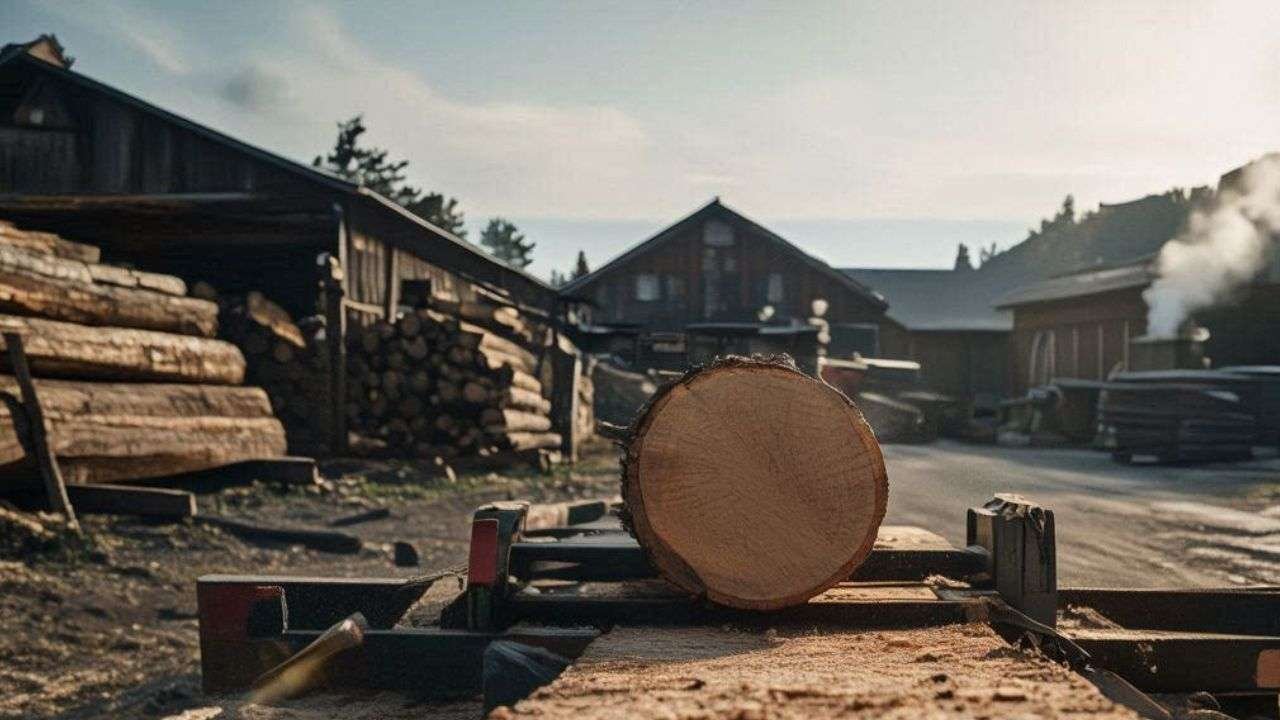
Walking through a mill yard reveals details that rarely appear in catalogues.
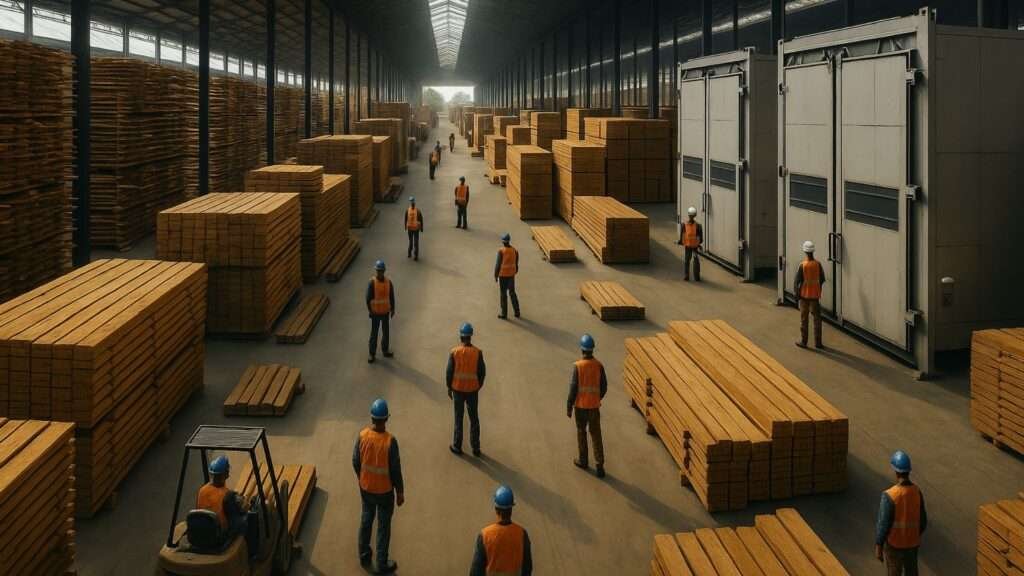
The rough texture of freshly sawn slabs, the faint steam rising from a kiln vent and the rhythmic clatter of boards being stacked all contribute to an understanding of how timber behaves before it reaches the workshop.
These sensory impressions help woodworkers anticipate how a board will respond to planing or sanding.
Local mills also provide opportunities to source unusual cuts. A slab with a natural edge or a board with a swirling grain pattern might inspire a project that would not have existed otherwise. This connection between mill and maker strengthens the creative process because it encourages experimentation with materials that carry a sense of place.
How Industry Trends Influence Home Woodworking.
The forestry and lumber industry evolves steadily. Shifts in demand influence which species are harvested and how they are processed.
Increased interest in lighter toned interiors has led to greater availability of pale hardwoods. This trend affects home workshops where these timbers are now easier to source. The smooth texture of these species responds well to natural oil finishes which suit a calm domestic atmosphere.
Engineered timber products have also become more common.
Laminated beams and cross laminated panels offer stability and strength. While these materials are often associated with construction they have found a place in home craft projects.
Their uniformity can be useful when building shelving or furniture that requires consistent dimensions. However the limitation is clear.
Engineered products lack the organic variation that many woodworkers value which means they are best used in combination with solid timber rather than as a complete substitute.
Another trend involves the growing interest in reclaimed timber.
Boards salvaged from old buildings carry marks of previous use such as nail holes or weathered surfaces. These details add character to new projects.
The scent of aged timber is noticeably different from freshly milled stock. It has a dry, mellow aroma that reflects decades of exposure to air and light.
Practical Considerations When Selecting Lumber.
Selecting lumber is both a technical and sensory process. The woodworker evaluates straightness, grain orientation and moisture content.
Running a hand along the board reveals subtle ridges that indicate how it was sawn. Lifting the board provides information about density which influences how it will respond to tools.
The following table summarises common factors that influence selection decisions.
| Factor | Influence On Project | Sensory Detail | Practical Note |
| Grain orientation | Stability and appearance | Visible lines that shift under angled light | Quarter sawn boards resist movement. |
| Moisture content | Dimensional stability | Slight coolness in damp boards | Lower moisture reduces warping. |
| Density | Tool response | Noticeable weight when lifted | Dense species require sharper edges. |
| Surface defects | Aesthetic impact | Rough patches or knots | Can be features or limitations. |
These factors guide the decision making process yet they do not dictate it.
A board with a minor defect might still be ideal for a project that values natural variation. The key is to match the material to the intended use.
Working With Timber From Different Sources.
Timber from large commercial suppliers offers consistency.
Boards are usually straight, evenly dried and available in standard dimensions. This reliability is useful when building cabinetry or furniture that requires precise joinery. The smooth surface of commercially prepared boards reduces preparation time which allows the woodworker to focus on design and assembly.
Timber from small mills or private sellers offers variety. Boards may include unusual grain patterns or irregular shapes.
These characteristics encourage creative solutions. A curved edge might inspire a flowing tabletop design.
A patch of interlocked grain might influence the placement of a joint. The tactile experience of working with these boards is distinct. The surface often feels slightly rougher which provides more feedback during planing.
There is a practical limitation when using timber from diverse sources.
Variations in moisture content or density can complicate joinery. Careful acclimatisation is essential.
Allowing boards to rest in the workshop for several days helps them adjust to the environment which reduces movement after assembly.
Closing Reflections On The Forest To Workshop Journey.
The connection between forestry and woodworking is not abstract.
It is present in every board that enters the workshop. Understanding how timber is grown, harvested and processed deepens the appreciation of its qualities.
The scent of sawdust, the weight of a seasoned board and the subtle shift of grain under light all reflect the long journey from forest to finished piece. This awareness enriches the craft and supports a thoughtful approach to working with natural materials.