French Polishing
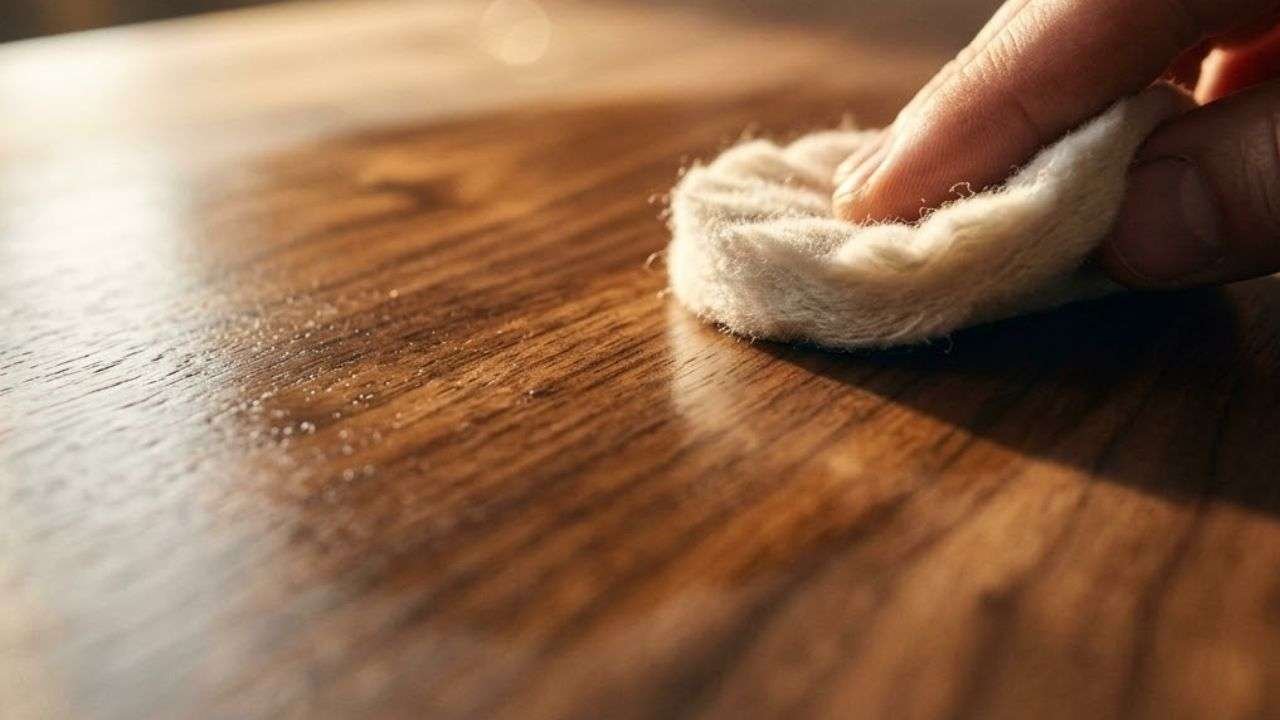
French polishing occupies a rare place in the woodworking arena.
It’s both a finishing method and an amazing discipline that shapes how a passionate craftsperson brings out the best in timber.
The process rewards patience and rewards close attention to the way light moves across a surface. It also encourages a slower rhythm in the workshop.
Many woodworkers return to it because it creates a calm working atmosphere that feels distinct from modern finishing systems.
Origins And Enduring Appeal.
French polishing developed during a period when fine furniture relied on hand techniques that highlighted natural materials.
The method gained prominence in the nineteenth century as makers sought a finish that enhanced depth and clarity in timber.
Shellac became the material of choice because it dissolved cleanly in alcohol and produced a warm surface that responded well to repeated polishing.
The appeal remains strong today because the finish allows the grain to remain visible even in low light.
A polished walnut panel can show subtle shifts in colour when the sun moves across a room. This quality gives the technique a place in contemporary home workshops where makers value both tradition and visual refinement.
Materials That Shape The Process.
The materials used in French polishing influence the outcome as much as the technique. Shellac flakes vary in colour from pale blonde to deep garnet.
Each type interacts differently with species such as jarrah, blackwood or European oak. The alcohol used to dissolve the flakes affects drying time and clarity. A clean cotton pad wrapped in a soft cloth becomes the tool that carries the polish across the surface.
The pad must feel slightly warm in the hand because warmth helps the shellac flow evenly. A small amount of oil on the pad reduces friction and prevents the pad from dragging.
The scent of alcohol evaporating from the pad is a familiar part of the process. It signals that the mixture is ready for another pass.
- Shellac flakes determine colour and clarity.
- Alcohol controls drying speed.
- Cotton and linen cloths influence pad behaviour.
- A small amount of oil reduces surface friction.
The Technique And Its Rhythm.
The technique relies on repeated thin layers rather than heavy application.
Each pass deposits a small amount of shellac that builds depth over time.
The pad moves in overlapping circles or long straight lines depending on the shape of the piece.
The surface begins to develop a soft glow after several sessions.
The glow becomes more pronounced as the layers accumulate.
A single session can last an hour or more because the pad must stay in motion. The sound of the pad gliding across the timber becomes part of the rhythm.
It is a quiet sound that encourages focus. The process is not physically demanding but it requires steady attention. A moment of hesitation can leave a mark that must be corrected later.
A counter-intuitive observation emerges for many woodworkers.
The finish often looks dull before it becomes glossy. This transitional stage can appear unpromising yet it is a sign that the layers are bonding correctly.
The gloss develops only after the surface has been levelled and the pores have been filled.
Surface Preparation And Its Influence.
Surface preparation determines how well the polish adheres.
Timber must be sanded to a fine grit so the shellac can sit evenly.
Dust must be removed completely because even a small particle can create a visible blemish. The pores of open-grained species such as mahogany or ash require filling.
Traditional pore filling uses pumice rubbed into the grain with the polishing pad. The pumice becomes transparent as it absorbs shellac.
This step creates a smooth surface that reflects light evenly. The feel of the timber changes noticeably once the pores are filled. It becomes cool and almost glassy under the fingertips.
A practical limitation appears here. Pore filling takes time and must be done carefully. Rushing this stage can lead to uneven reflection that becomes more noticeable as the finish develops.
The trade-off is clear. A well-prepared surface extends the overall project timeline but produces a more refined result.
Applications In Home Workshops.
French polishing suits a range of home woodworking projects. Small tables, jewellery boxes and musical instruments respond particularly well to the technique. The finish highlights fine details such as chamfers and curved edges.
A polished surface on a small box can catch the warm light of a living room lamp and reveal grain patterns that remain hidden under other finishes. The method also suits restoration work because shellac can be repaired without stripping the entire surface.
A fresh layer bonds with the existing finish and blends seamlessly.
A tangential observation often arises when working on small pieces.
The bench surface becomes part of the experience.
A clean timber bench with a smooth edge provides a comfortable place to rest the forearms during long polishing sessions. This small detail influences the overall enjoyment of the process.
Comparing French Polishing With Other Finishes.
A comparison with other finishing methods helps clarify where French polishing excels. Modern finishes such as polyurethane or hardwax oils offer durability and moisture resistance. They suit high-use surfaces such as kitchen benchtops.
French polishing offers a different set of strengths. It provides clarity and depth that many finishes cannot match.
The surface feels warm and natural because shellac sits close to the timber rather than forming a thick film.
The table below outlines key differences.
| Finish Type |
Appearance |
Repairability |
Durability |
Typical Use |
| French polish |
High clarity and depth |
Easy to repair |
Moderate |
Fine furniture and decorative pieces |
| Polyurethane |
Uniform and protective |
Difficult to repair |
High |
High-use surfaces |
| Hardwax oil |
Natural matte look |
Moderate |
Moderate to high |
Contemporary furniture |
| Lacquer |
Smooth and consistent |
Moderate |
High |
Musical instruments and cabinetry |
Maintaining A French Polished Surface.
Maintenance is straightforward when the finish is applied correctly. Dusting with a soft cloth preserves the clarity of the surface. Occasional refreshing with a thin layer of shellac restores the gloss.
The finish responds well to gentle care. Direct heat should be avoided because shellac softens at relatively low temperatures.
A polished tabletop near a window may show slight changes in tone over time as sunlight interacts with the shellac.
These changes often add character rather than detract from the appearance.
The surface retains a tactile quality that encourages contact.
Running a hand across a polished surface reveals a smoothness that feels distinct from modern finishes.
French Polishing As A Creative Practice.
French polishing becomes more than a finishing method when practiced regularly. It encourages a slower pace in the workshop.
The process invites close observation of grain, colour and texture. It also fosters a sense of continuity with earlier generations of makers.
Many woodworkers find that the technique influences how they design pieces. A design with broad flat surfaces may be chosen because it allows the polish to show its full effect.
The technique also encourages thoughtful lighting in the home. A polished cabinet placed near a window can create subtle reflections that change throughout the day.
The method rewards consistency rather than force. A light touch often produces a better result than firm pressure. This insight shapes other woodworking tasks as well. It encourages a balanced approach to sanding, planing and shaping.
Closing Reflections.
French polishing remains a valued technique because it brings together material knowledge, patient workmanship and a calm workshop atmosphere.
The finish enhances the natural qualities of timber and creates surfaces that invite touch.
The process offers a steady rhythm that suits home woodworkers who enjoy working with intention. It stands as a reminder that some of the most satisfying results come from methods that take time and reward careful attention.