Garden And Outdoor Woodwork
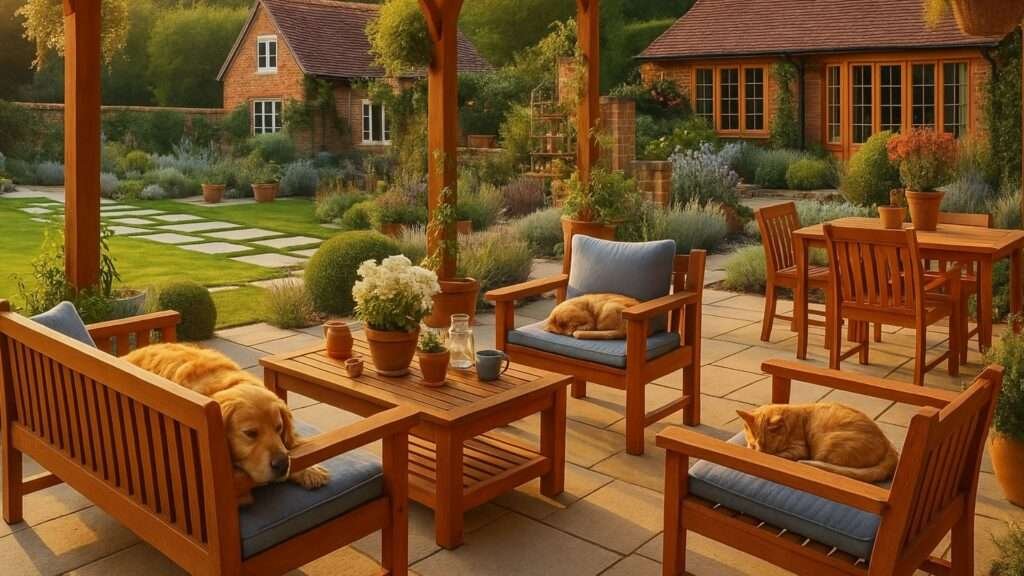
Our backyards and gardens invite a different pace of woodworking.
Light shifts across timber in a way that feels slower outdoors, and the work itself often stretches across seasons rather than hours.
Outdoor woodwork becomes part of the landscape, shaped by weather, soil and the quiet routines of tending a space.
Articles in this space tend to explore how thoughtful design and steady craftsmanship can turn a garden into a place where wood feels alive in both structure and atmosphere.
Understanding Outdoor Timber Choices.
Selecting timber for outdoor use begins with an appreciation of how wood behaves when exposed to moisture and sunlight.
Grain density, natural oils and surface texture all influence longevity. A board that feels smooth under the hand in the workshop can take on a faint roughness after a week of morning dew, which is why species selection matters more outdoors than in many interior projects.
Hardwoods such as spotted gum and ironbark offer natural resilience. Softwoods like cypress pine bring a lighter scent and a warmer colour shift as they age. The decision is rarely about superiority. It is about matching the timber to the environment it will inhabit.
A counter-intuitive insight emerges here. Some of the most durable outdoor pieces are built from timbers that seem modest at first glance.
A simple cypress rail, left to silver naturally, can outlast a more glamorous hardwood if the design allows water to shed cleanly.
Designing Structures That Settle Into the Landscape.
Outdoor structures succeed when they feel anchored to their surroundings.
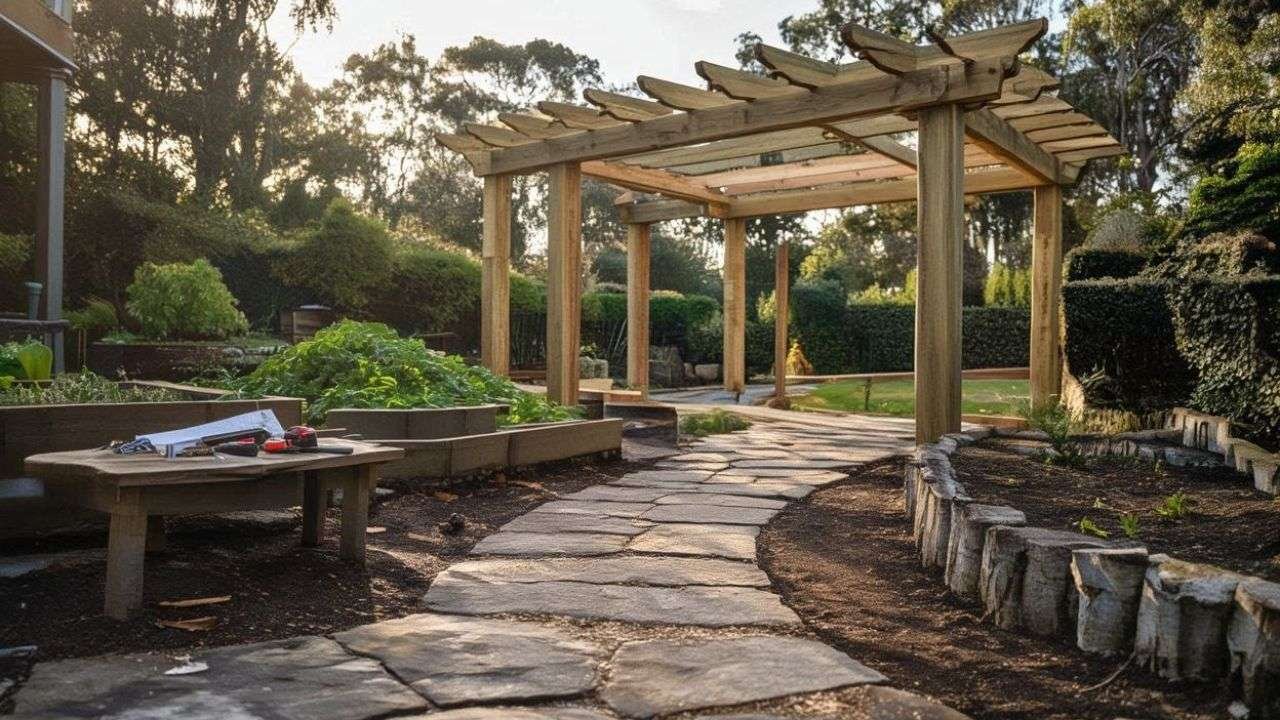
A pergola with posts that catch the late afternoon sun can create a soft glow across the grain, while a bench tucked near a stone path gains character from the contrast between timber and mineral surfaces.
The design process benefits from walking the site at different times of day to observe how light moves across the space.
Rhythm matters outdoors. Vertical elements such as posts or slats create a steady visual cadence.
Horizontal elements like rails or seat boards introduce calm. When these lines meet at deliberate intervals, the structure feels intentional rather than imposed.
One practical limitation is the need for adequate footing depth. Even a beautifully designed arbor will shift slightly if the soil beneath it expands after heavy rain. Accounting for this early prevents future adjustments.
Building Garden Furniture for Daily Use.
Garden furniture carries the marks of everyday life. A chair left near a herb bed may gather a faint scent of rosemary on its legs.
A table placed under a deciduous tree will collect a soft scatter of leaves in early autumn. These details shape how the furniture feels to use.
Durability comes from joinery that resists seasonal movement. Mortise and tenon joints remain reliable outdoors because they distribute stress evenly.
Stainless steel screws offer reinforcement where needed, although they should be placed with care to avoid disrupting the grain pattern.
Garden furniture benefits from subtle shaping. A seat with a gentle curve carved into the surface feels more inviting after a long day.
A backrest with a slight taper provides support without drawing attention to itself. These small refinements elevate the experience of sitting outdoors.
Integrating Woodwork With Planting.
Wood and plants share a natural affinity. A raised bed made from wide boards can warm the soil in early spring, while a trellis with narrow slats can guide climbing beans without overwhelming the foliage.
The tactile contrast between smooth planed timber and the rough stems of mature vines adds depth to the garden.
This relationship works best when the woodwork respects the growth habits of the plants. A trellis that is too rigid may restrict a vigorous climber.
A planter that is too shallow may dry out quickly in summer. Observing how plants behave across a season helps refine the design.
A small tangential observation arises when working near aromatic plants.
Sanding a cedar board beside a lavender bush creates a brief moment where the scent of timber dust mingles with the floral air. It is not central to the task, yet it lingers in memory.
Finishing Techniques for Weather Exposure.
Finishing outdoor wood requires a balance between protection and breathability. Oils penetrate the fibres and highlight natural colour variation.
Stains alter tone while allowing the grain to remain visible. Film finishes offer strong protection but can peel if moisture becomes trapped beneath the surface.
The choice depends on the intended maintenance schedule. An oil finish may need refreshing each year, yet it allows the wood to age gracefully.
A stain can unify the appearance of mixed species, which is useful when repurposing offcuts for garden projects.
A useful trade-off appears when considering clear finishes. They preserve the original colour of the timber, although they require more frequent upkeep than pigmented options. Accepting this maintenance cycle leads to a more consistent appearance over time.
Constructing Pathways, Edging and Low Structures.
Low structures such as boardwalks, edging and steps shape the flow of a garden. A narrow boardwalk made from treated pine can guide visitors across damp ground without disturbing the soil.
Timber edging defines planting zones while softening the transition between lawn and bed. These elements benefit from close attention to ground contact. Boards that sit directly on soil absorb moisture quickly.
Raising them slightly on gravel or small pads improves airflow and extends their life. The sound of footsteps on timber, especially when the boards are dry and warm from the sun, adds a subtle sensory layer to the garden.
A table can help clarify the differences between common outdoor applications.
| Application | Suitable Timber | Key Consideration |
| Raised beds | Cypress pine | Soil contact and drainage |
| Boardwalks | Treated pine | Airflow beneath boards |
| Pergolas | Spotted gum | Structural stability |
| Benches | Ironbark | Comfort shaping |
Maintaining Outdoor Woodwork Across Seasons.
Seasonal maintenance keeps outdoor woodwork functional and visually consistent. Early spring is a good time to inspect joints, as timber may have shifted slightly during winter.
A light sanding can remove surface roughness caused by moisture. Reapplying oil or stain restores depth to the grain.
Summer brings strong sunlight, which can lighten exposed surfaces. Some makers embrace this silvering effect.
Others prefer to maintain the original tone. Either approach is valid when it aligns with the overall design intent.
Autumn introduces leaf litter. Clearing debris from the bases of posts prevents moisture buildup. Winter encourages a slower pace.
This is when many woodworkers plan new structures while observing how existing ones respond to cold air and low light.
Closing Reflections.
Outdoor woodwork rewards patience. Timber shifts with the seasons, and the garden shifts with it.
When structures, furniture and planting work together, the result feels settled rather than staged. The craft becomes part of the landscape, shaped by weather, light and the steady rhythm of tending a space.