Global Lumber Shortage
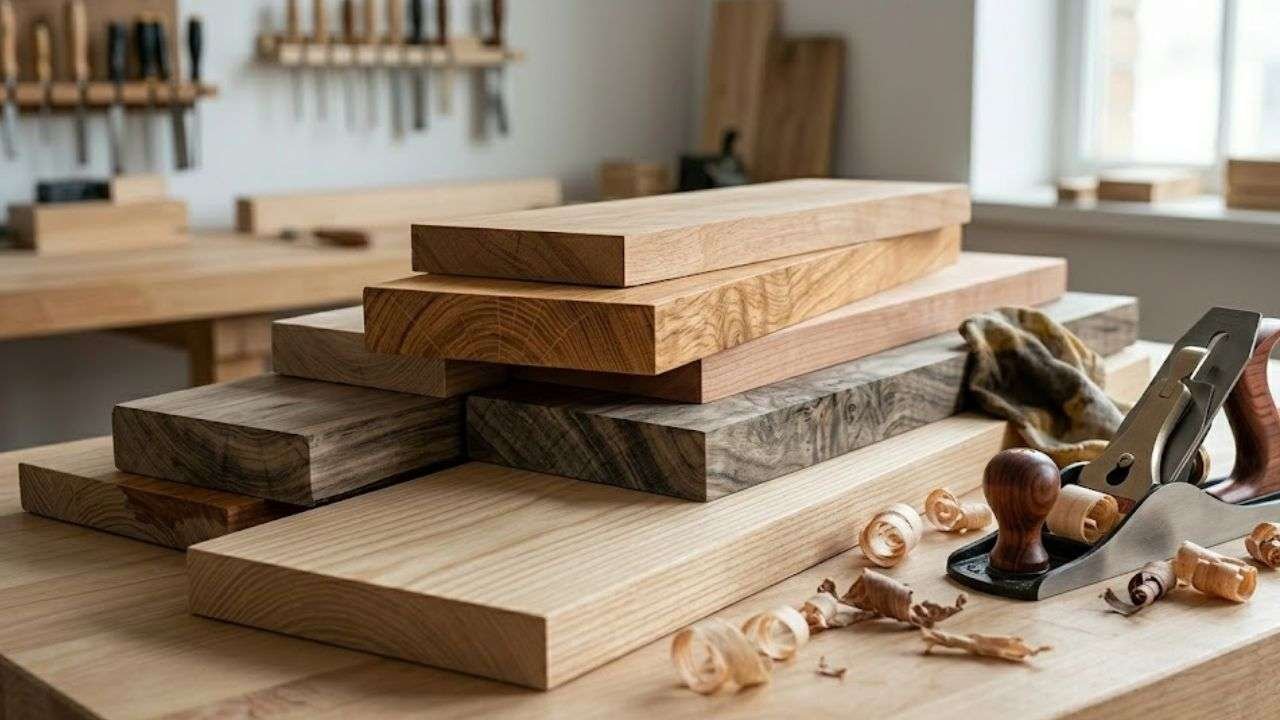
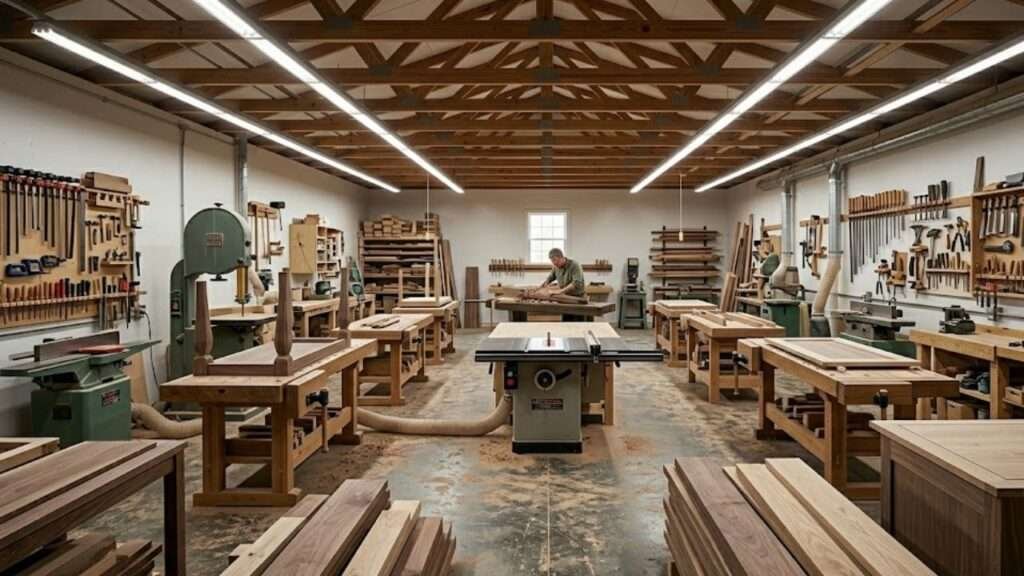
A global lumber shortage changes the rhythm of a workshop. Shelves at local hardware stores look different. Familiar species appear less often.
The shift is noticeable in the grain patterns on display and in the sound of boards sliding across the rack. None of this ends a project. It simply invites a more deliberate approach to material choice and design.
Understanding How Shortages Reach Local Stores.
A shortage begins far from the checkout counter. Mills reduce output when log supply tightens or transport slows.
Importers adjust orders when shipping costs rise. Hardware stores respond by narrowing their range to species that move consistently.
The result is a smaller palette of timber on the rack even though the store itself has not changed its buying philosophy.
The effect becomes clear when a woodworker reaches for a familiar board and finds an empty slot. The absence is physical.
The space where the timber once sat carries the faint scent of sawdust from earlier handling. This moment often prompts a reassessment of what the project truly requires.
Why Familiar Species Become Scarce.
Some species disappear from retail shelves faster than others.
High demand for framing timber can divert plantation softwoods away from hobbyist supply. Imported hardwoods may be delayed at ports. Even local species can become scarce when weather events restrict harvesting.
A counter-intuitive pattern sometimes emerges. A species known for stability in furniture work may be harder to source than a more decorative timber because commercial buyers secure large volumes early.
The woodworker who relies on small quantities feels the shortage first.
The table below outlines common reasons for reduced availability.
| Factor | Impact on Local Supply |
| Reduced harvesting | Fewer logs entering mills and lower output. |
| Transport delays | Slower movement of imported and domestic timber. |
| Commercial demand spikes | Retail stores receive smaller allocations. |
| Price volatility | Stores limit orders to essential species. |
Reassessing Project Requirements.
A shortage encourages a closer look at what a project actually needs.
Many designs can accommodate a wider range of species than originally planned. A small side table that was intended for American oak may work equally well in Victorian ash. The colour will differ but the clean grain and workable density remain suitable.
This shift often begins with a tactile check. Running a hand along a board of an alternative species reveals whether the surface fibres respond well to a sharp plane. The sound of a chisel entering the end grain offers another clue.
These small sensory checks guide material decisions more reliably than assumptions about species hierarchy.
There is a practical trade-off to consider. Choosing an alternative species may require slight adjustments to joinery because density and movement characteristics vary. This is not a setback. It is a manageable design decision that keeps the project moving.
Exploring Substitutes With Purpose.
Substitution works best when approached with intention rather than compromise. Each species has strengths that can be matched to specific tasks.
A timber with moderate hardness and straight grain may outperform a more expensive hardwood in drawer runners because it planes cleanly and resists binding. A lighter softwood may suit a wall shelf where weight matters more than colour. Some woodworkers discover new favourites during shortages.
A species that once seemed ordinary can reveal appealing character when viewed in natural morning light across a workbench. The subtle shimmer of quartersawn boards or the warm scent released during sanding can shift long-held preferences.
- Select substitutes based on structural needs rather than appearance alone.
- Test small offcuts to understand how the timber behaves under hand tools.
- Consider how the species will age in the intended room.
Design Flexibility as a Creative Asset.
A shortage often encourages design flexibility. Adjusting proportions or surface treatments can make an alternative species feel intentional rather than improvised. A darker timber may benefit from lighter joinery lines.
A paler species may gain depth through oil finishes that highlight the grain.
This flexibility becomes easier when the workshop environment supports experimentation. A bench with scattered shavings from different species tells a story of trial and refinement. The contrast between coarse softwood curls and fine hardwood ribbons can inspire new combinations.
A small tangential observation often arises here. Many woodworkers notice that when they shift species they also reconsider hardware choices.
Brass pulls may suit one timber but feel out of place on another. This secondary adjustment reinforces the idea that material choice influences the entire project ecosystem.
Local Species and Regional Identity.
Shortages sometimes highlight the value of local species that receive less attention during periods of abundance.
These timbers carry regional identity and often perform well in domestic conditions. Their movement characteristics align with local humidity patterns and their colours sit naturally within Australian interiors.
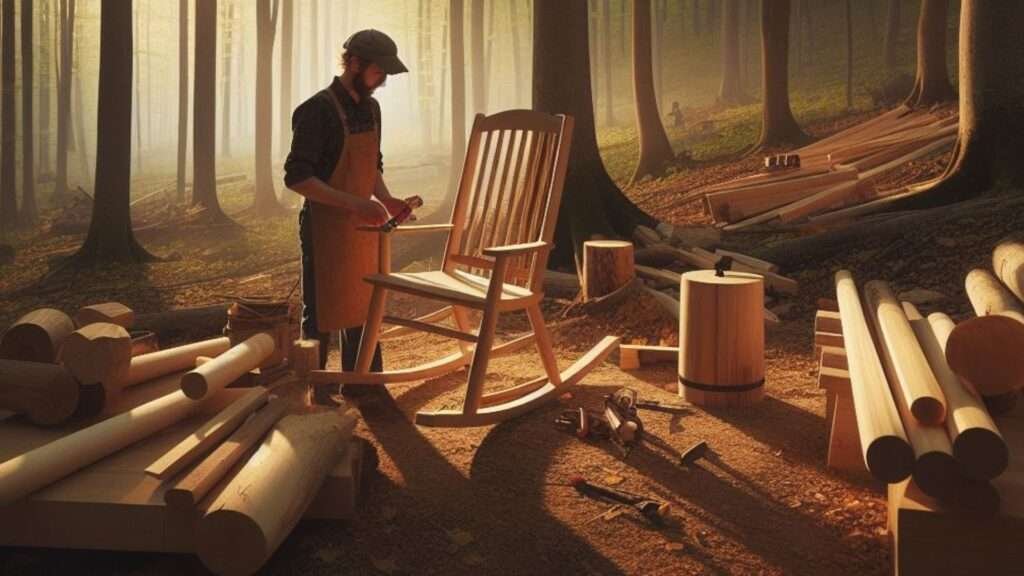
Working with local species can feel grounded. The grain reflects the landscape and the scent released during cutting is familiar.
A board of spotted gum or blackbutt has a density that registers immediately when lifted from the rack. These physical cues remind the woodworker that material choice is not only a technical decision but also a cultural one.
- Local species often provide stable performance in home environments.
- Availability may remain more consistent during global disruptions.
- Colour and grain patterns integrate well with regional design traditions.
Maintaining Project Momentum During Shortages.
Momentum matters in woodworking. A project that stalls due to unavailable timber can lose its sense of purpose.
The key is to keep moving by adjusting expectations rather than abandoning plans. This may involve selecting a different species or modifying a design to suit what is available. A practical approach is to purchase boards as soon as a suitable alternative appears. .
The tactile confirmation of weight and grain direction helps ensure the timber will work as intended. Storing the boards in the workshop for a short period allows them to acclimate to the space. The slight shift in moisture content becomes evident when the surface feels cooler or warmer to the touch.
The limitation to acknowledge is that some projects rely on specific species for structural or aesthetic reasons. In these cases waiting may be necessary.
The decision becomes a balance between project integrity and the desire to continue building.
A Calm Approach to Material Change.
A global lumber shortage reshapes the choices available but does not diminish the craft. It encourages a more thoughtful relationship with materials and a willingness to explore species that might otherwise be overlooked.
The workshop remains a place of steady progress. The scent of freshly planed timber still fills the air even if the species is different from what was first imagined.