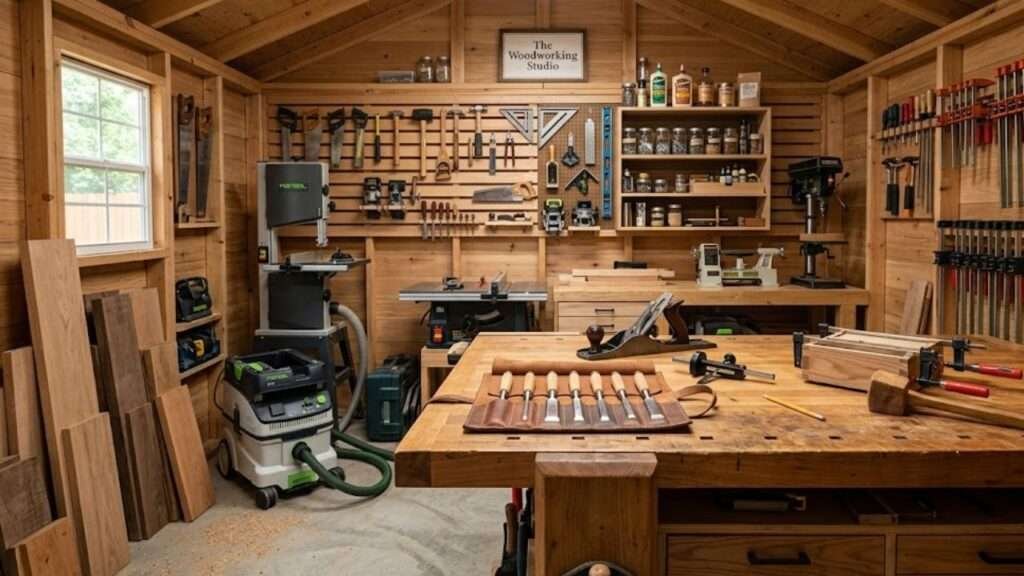
Transforming A Shed Into A Woodshop
Your Backyard Shed A backyard shed often begins as a simple shelter for tools and seasonal items. Over time it […]
Transforming A Shed Into A Woodshop Read More »
Woodshop Floor, Woodshop Safety, Your Woodshop
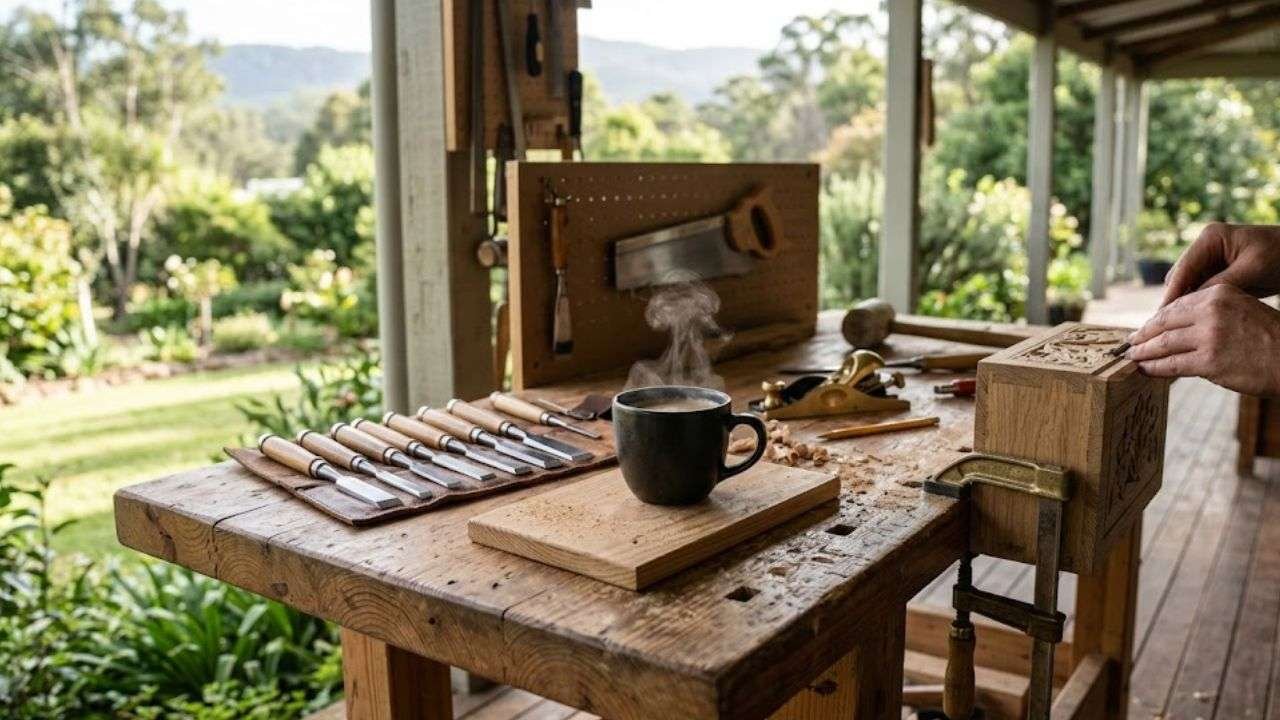
Home based woodwork often starts as a small idea that grows into a steady part of daily life. A few tools on a verandah bench or a cleared corner of a garage can become a place where routine tasks slow down and materials take shape.
Light on timber dust drifting across a patio table can signal the start of a habit that becomes familiar and grounding.
Understanding the Appeal of a Home Woodshop.
Many people begin woodworking because they want a practical outlet that fits into the rhythm of home life.
A small space with a stable surface and a few reliable tools can support a surprising range of projects.
The sound of a hand plane moving across soft pine or the scent of freshly sanded hardwood can shift the atmosphere of a domestic space.
A verandah with morning shade can feel different once a bench and a tool rack are added. This shift is often subtle yet noticeable.
A home woodshop also encourages steady learning. The pace is set by the individual and the environment. A short session after work can be as productive as a long weekend in a shed. The flexibility is part of the appeal.
Choosing a Suitable Space.
Selecting a location shapes the experience. A garage offers shelter and storage.
A patio provides natural light that makes grain patterns easier to read.
A backyard shed creates a sense of separation that some people find helpful when focusing on detailed tasks.
Each option has its own character.
A small tangential observation often arises here. People sometimes overlook the value of a simple portable workbench. It can transform an unused corner into a functional workspace without permanent changes to the home.
Essential Tools for a Practical Start.
A basic tool set is enough to begin. Many experienced woodworkers recall starting with only a few items and building their collection slowly.
The tactile feel of a well sharpened chisel or the weight of a block plane in the hand can be more influential than the number of tools on a shelf.
A balanced starter kit often includes:
The counter intuitive insight is that fewer tools can sometimes lead to better results. Limited options encourage careful technique and closer attention to the material. Many beginners discover that a single reliable plane teaches more about grain direction than a full set of machines.
Learning Through Safe and Steady Practice.
Safety is central to woodworking at home. Calm preparation reduces the chance of mistakes. Clear lighting helps when reading grain or checking alignment. Stable footing prevents slips when applying pressure with a saw or chisel. Protective glasses and hearing protection should be kept within reach.
A practical trade off appears when working in shared domestic spaces. A verandah or patio may offer excellent ventilation but can expose tools to moisture if they are not stored properly.
A garage may protect tools but can accumulate dust that settles on vehicles or stored items. Awareness of these limitations helps maintain both safety and household harmony.
Researching proper techniques is essential. Watching how grain behaves when planed or how timber responds to different sanding pressures builds confidence.
Many people find that repeating a simple joint several times on scrap timber provides more insight than moving quickly to a complex project.
Developing Skills Through Manageable Projects.
Small projects help build foundational skills. A pine bookshelf assembled on a garage floor teaches measurement accuracy.
A verandah planter box introduces outdoor finishes and timber movement.
A hardwood serving board shaped on a patio table highlights the importance of sanding sequences and oil application.
Each project reveals something about the material.
The warmth of oiled hardwood under bright afternoon light can show how colour shifts with grain density. The slight resistance felt when chiselling across end grain teaches patience. These sensory details accumulate and shape technique.
A table can help beginners understand how different spaces support different project types.
| Workspace Type | Strengths | Limitations | Suitable Projects |
| Verandah | Good airflow and natural light | Exposure to weather | Small joinery and sanding tasks |
| Garage | Stable floor and storage | Dust accumulation | Shelving and furniture frames |
| Backyard Shed | Privacy and dedicated space | Limited ventilation | Detailed hand tool work |
| Patio | Open space for large boards | Variable lighting | Outdoor furniture components |
Building a Routine That Fits Daily Life.
A home woodshop becomes most rewarding when it fits naturally into the day. Short sessions can be productive.
A few minutes spent sharpening a chisel before breakfast can make the next project smoother. A quiet evening spent sanding a panel can be a steadying way to close the day.
The rhythm of woodworking often aligns with the rhythm of the home. Morning light across a verandah bench can highlight surface imperfections that were not visible the night before.
Cooler evening air in a shed can make hand planing more comfortable.
These small environmental shifts influence the work in ways that feel grounded and real. A nuanced observation emerges here.
Many people assume that more time leads to better results. In practice the opposite can occur. Short focused sessions often produce cleaner work because attention remains sharp and fatigue does not build.
Maintaining Tools and Workspace.
Tool care supports accuracy and safety. A sharp plane blade leaves a clean surface that requires less sanding.
A well maintained drill reduces strain on the wrist. Storing tools in a dry location prevents rust that can affect performance.
Workspace maintenance is equally important. Sweeping dust from a garage floor reduces slipping hazards.
Wiping down a verandah bench prevents moisture from affecting timber. Checking clamps for wear ensures consistent pressure during glue ups.
These tasks may seem routine but they shape the long term experience of woodworking at home. A clean and organised space encourages regular use.
Expanding Skills Over Time.
As confidence grows many people expand their tool collection or adjust their workspace. A shed may gain a dedicated sharpening station.
A garage may receive improved lighting that makes fine marking easier. A verandah may be fitted with a small tool cabinet that keeps equipment protected.
Skill development often follows a similar pattern. A person who begins with simple crosscuts may progress to dovetail joints.
Someone who starts with softwood may explore the density and colour variation of Australian hardwoods. The tactile difference between species becomes part of the learning process.
Growth does not need to be rapid. Steady improvement is more sustainable and more enjoyable.
Closing Thoughts.
A home based woodshop can begin with a small collection of tools and a modest space. The atmosphere of a verandah or the quiet of a shed can support a woodworking routine that becomes part of daily life.
With safe habits and patient learning the craft becomes a steady presence that shapes both the home and the individual who works within it.
Your Backyard Shed A backyard shed often begins as a simple shelter for tools and seasonal items. Over time it […]
Transforming A Shed Into A Woodshop Read More »
Woodshop Floor, Woodshop Safety, Your Woodshop
Woodwork Ideas For When We Need Help There are moments when something we need for the house comes at a
Consider Woodwork When We Need Help Read More »
Traditional Craft, Woodwork Abilities, Woodwork Stories
Do It Once And Do It Properly. Disclaimer. This article provides general information about woodworking practice and workshop preparation. It
DIY Should Be DIYP Do It Yourself Properly Read More »
House Updates, House Woodwork, Renovation Caution, Woodwork Abilities
Woodwork Clothing – Function And Business Clothing in a woodworking environment is not a uniform choice or a branding exercise.
Woodwork Clothing Discussion Read More »
Build An Online Presence, Outdoor Woodwork, Woodshop Safety
Woodworking has a way of clarifying what matters. Stand long enough at a bench and you begin to understand that
Money Is Not Everything With Woodwork Read More »
Artistic Woodwork, Creative Woodwork, Finishing Techniques, House Woodwork, Woodwork Abilities