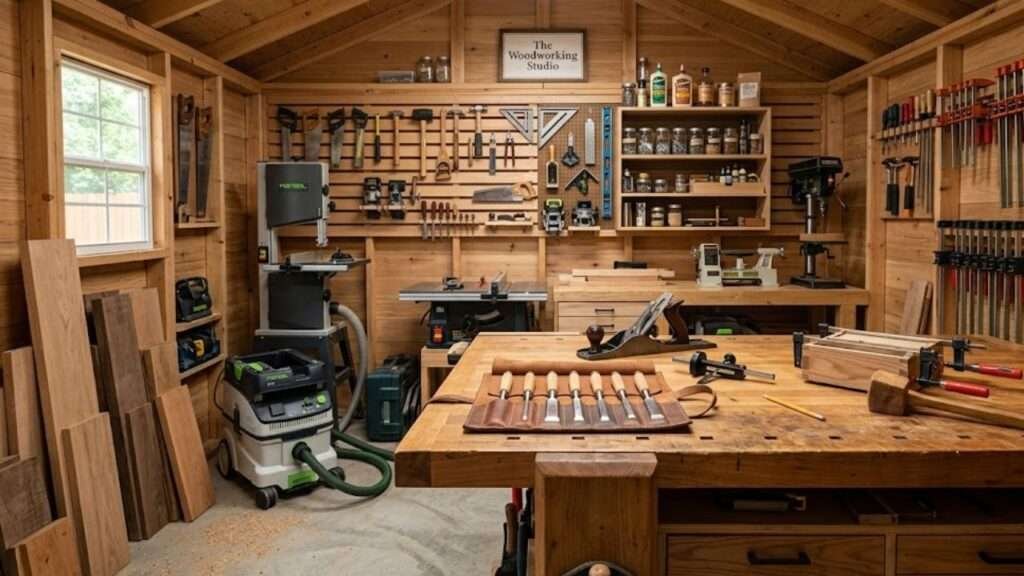
Transforming A Shed Into A Woodshop
Your Backyard Shed A backyard shed often begins as a simple shelter for tools and seasonal items. Over time it […]
Transforming A Shed Into A Woodshop Read More »
Woodshop Floor, Woodshop Safety, Your Woodshop
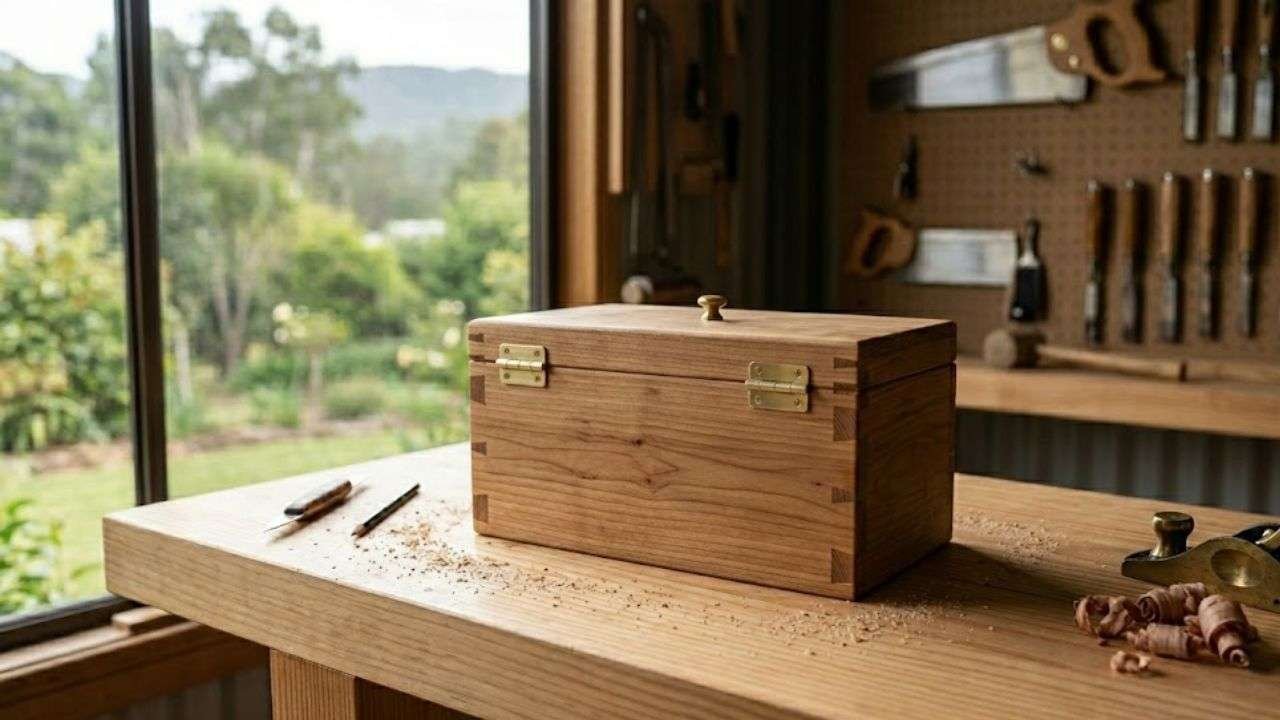
The appeal of turning woodworking into a source of income often begins with a simple moment. A finished board that feels warm under the hand.
A small jig that works better than expected. A neighbour asking where you bought that rack on the wall.
These moments accumulate until the idea of sharing work with a wider audience becomes more than a passing thought.
The shift from hobby to small enterprise is not a single decision.
It is a gradual alignment of skills, interests and practical considerations that shape how a craftsperson presents work to the world.
Understanding the Foundations.
A home woodworking business grows from the same qualities that shape good craftsmanship, patience and attention to detail.
A willingness to refine a process until it feels natural. The early stages often involve exploring what type of work feels most sustainable in a small shed or garage. The scent of freshly cut cedar or the weight of a hardwood offcut can guide decisions more effectively than abstract planning.
Many woodworkers discover that smaller items with high perceived value suit limited space and modest tooling.
A Garlic Roasting Box made from cedar or a compact Drill Bit Index with cleanly drilled through holes can be produced in batches without overwhelming a small workshop. These early experiments help clarify what feels enjoyable to make repeatedly.
Choosing a Niche With Intention.
Niche selection is often described as a strategic exercise, yet it is also a tactile one. The grain pattern on a rough sawn slab used for a Magnetic Knife Block or the smooth sliding action of a Fidget Slider can reveal whether a product has the character needed to stand out.
A counter intuitive insight emerges here. The most successful niches are not always the ones with the least competition. They are often the ones where the maker has a personal connection to the problem being solved.
A woodworker who cooks regularly may understand why a Butter Boy Butter Spreader appeals to people frustrated by cold butter tearing bread.
Someone who spends long hours at a desk may recognise the value of a Laptop Riser with a hidden cable pass. These lived experiences shape products that feel authentic rather than manufactured for trend chasing.
A practical trade off appears when exploring niche ideas. Highly specialised items can attract dedicated buyers yet they may require more explanation or demonstration. A Fire Piston for bushcraft enthusiasts demands precise tolerances and careful finishing.
It also appeals to a narrow audience. Balancing production effort with expected interest becomes part of the craft.
This balance is not a limitation. It is a guide that helps woodworkers choose projects that match their workshop capacity and personal rhythm.
Building an Online Presence.
Sharing work online introduces a different type of craftsmanship. The same care used to smooth a chamfer or align a dovetail applies to how a woodworking business presents itself digitally.
A simple website or a Google Business Profile can help people discover products without relying solely on weekend markets.
The glow of afternoon light across a finished Valet Tray or the texture of a sanded oak Taco Holder photographed on a clean bench can communicate quality more effectively than long descriptions.
Social media platforms allow makers to show process as well as results.
A short clip of routing dovetail slots for interlocking Taco Holders or drilling stepped holes for a Propagation Station can build trust through transparency.
A small tangential observation often surfaces when woodworkers begin posting online. The workshop itself becomes part of the story.
The sound of a plane shaving a thin curl or the sight of neatly stacked clamps on a Wall of Many rack can be as engaging as the finished product.
People respond to the atmosphere of a working shed. They recognise authenticity in the dust on the floor and the soft light falling across a benchtop.
Working With Limited Space.
Many home workshops operate within tight boundaries.
A single garage. A backyard shed. A corner of a larger space shared with household storage.
These constraints influence what can be produced efficiently. Small items such as Tent Peg Pullers or Vertical Tablet Docks fit neatly into batch processing routines. The tactile rhythm of cutting identical blanks or sanding repeated curves can create a steady workflow.
Larger furniture pieces may be appealing yet they require storage space that many home workshops cannot spare.
This limitation encourages creativity. Woodworkers often discover that compact products with thoughtful details resonate strongly with buyers who appreciate craftsmanship in everyday objects.
The physical environment shapes decisions in subtle ways. The cool feel of a metal ruler used to mark depth gauges on a Bulb Planter or the warmth of a freshly oiled Maple Slow Feeder Puzzle can influence how a maker evaluates a design. These sensory cues help refine products until they feel balanced in the hand and visually coherent.
Developing Repeatable Processes.
Consistency becomes essential when producing items for sale.
Batch processing allows woodworkers to maintain quality while reducing setup time. Cutting twenty Garlic Roasting Box blanks in one session or routing multiple slots for Sandpaper Dispensers creates efficiency without sacrificing craftsmanship. The smell of cedar dust or the smooth action of a freshly honed chisel reinforces the connection between process and outcome.
A nuanced observation arises when refining workflows. The most efficient process is not always the fastest. It is the one that reduces mental load.
A well organised clamp rack or a clearly labelled Drill Bit Index can save more time than rushing through cuts. These small improvements accumulate until the workshop feels like an extension of the maker’s hands.
Presenting Products to Customers.
Whether selling online or at weekend markets the presentation of finished work influences how people perceive value.
A matte finish such as Osmo or Walrus Oil often highlights the natural character of timber without creating a glossy surface that can appear artificial.
The subtle sheen on a Camp Stove Toaster handle or the soft glow on a Chicken Treat Tetherball post can draw attention without overwhelming the design.
A simple table can help woodworkers evaluate which products suit their workflow and available space.
| Product Type | Material Use | Workshop Space Required | Batch Friendly |
| Small kitchen items | Low | Very low | High |
| Desk accessories | Low | Low | High |
| Garden tools | Moderate | Low | Moderate |
| Workshop organisers | Moderate | Low | High |
| Camping items | Low | Very low | Moderate |
| Pet items | Low | Low | High |
This table is not prescriptive. It provides a framework for thinking about how different product categories align with the realities of a home workshop.
Maintaining Craftsmanship Over Time.
Sustaining a woodworking business requires more than producing items efficiently. It involves maintaining a sense of connection to the material.
The grain on a piece of Blackwood used for a Magnetic Knife Block or the weight of a hardwood base for a Vertical Tablet Dock can remind a maker why they began working with timber in the first place. These tactile experiences help prevent the work from becoming purely mechanical.
The atmosphere of a workshop contributes to this continuity. Morning light falling across a bench or the quiet hum of a dust extractor can create a sense of calm that supports long term creativity. Woodworkers often find that small rituals such as sharpening tools at the start of the day or applying a final coat of oil in the evening help maintain focus and satisfaction.
Closing Thoughts.
A home woodworking business grows through steady refinement rather than sudden leaps. The combination of thoughtful niche selection, clear online presentation and practical workshop routines creates a foundation that supports both creativity and consistency. Each finished item carries the imprint of the maker’s decisions. The warmth of timber. The precision of a clean cut. The quiet satisfaction of work that feels grounded in skill and intention.
Your Backyard Shed A backyard shed often begins as a simple shelter for tools and seasonal items. Over time it […]
Transforming A Shed Into A Woodshop Read More »
Woodshop Floor, Woodshop Safety, Your Woodshop
Woodwork Clothing – Function And Business Clothing in a woodworking environment is not a uniform choice or a branding exercise.
Woodwork Clothing Discussion Read More »
Build An Online Presence, Outdoor Woodwork, Woodshop Safety
The Dual Craft of Woodworking and Social Media Promotion. In today’s competitive woodworking market, the journey to success transcends just
Blending Woodwork and Social Media Read More »
Build An Online Presence, Creative Woodwork, Woodwork Abilities