Home Renovation And Repairs
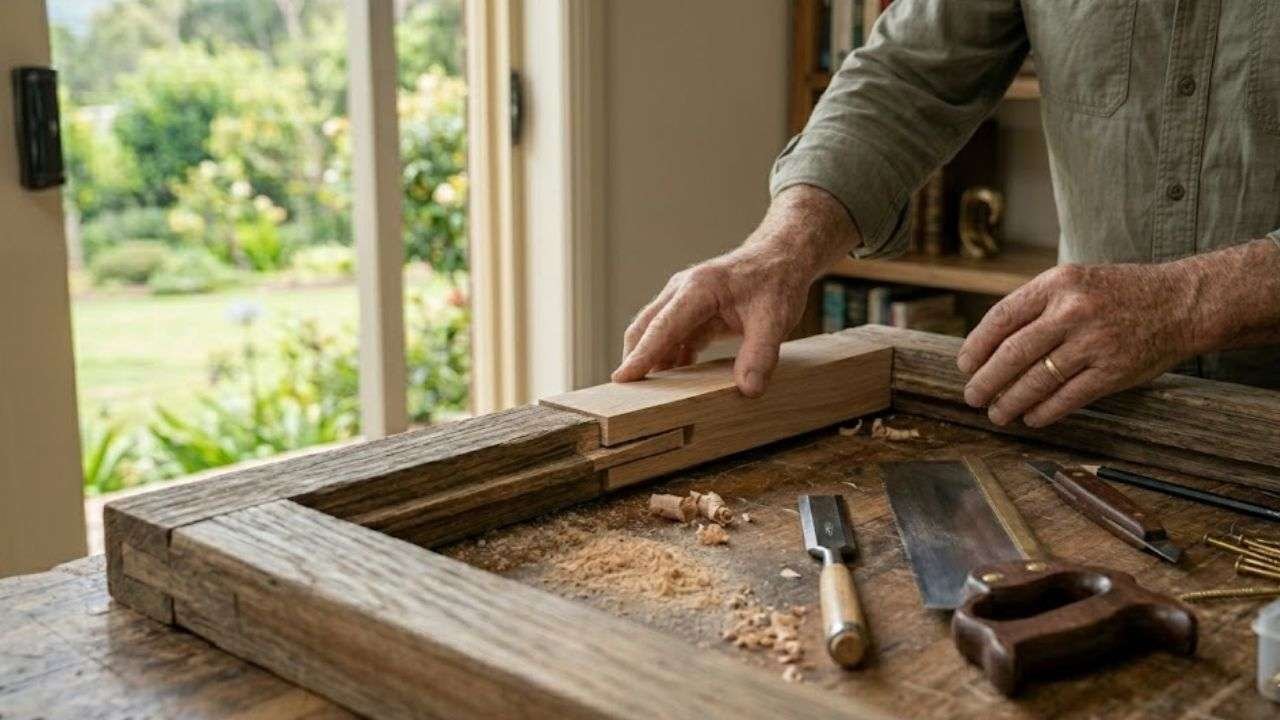
Woodworking sits at the centre of many home projects, yet the intentions behind those projects vary more than people assume.
Some tasks restore what has worn down. Others reshape a space so it feels renewed. The distinction between repair and renovation influences how a woodworker approaches materials, tools and expectations.
It also shapes the atmosphere of the home as each task leaves a different kind of mark on the rooms we live in.
Understanding Corrective Repair Work.
Repair work begins with a clear signal. Something has failed or is close to failing. A hinge drags across a frame.
A section of skirting board softens after years of moisture. A timber window sash sticks on a humid morning.
These moments draw attention to the physical reality of a house and the way wood responds to time.
The grain that once felt smooth under a finish may now feel raised or uneven. The task is to restore function without altering the character of the space.
Repair work often feels grounded because it deals with what already exists.
A loose stair tread requires careful tightening so the timber sits flush again.
A cracked baluster needs replacement with a piece that matches the original profile. The work is precise and contained. It asks for patience rather than reinvention. A small tangential observation arises here.
Many woodworkers notice that repair tasks often reveal earlier craftsmanship.
A hidden dovetail or an old pencil mark under a shelf can appear during disassembly. These details remind the worker that homes carry layers of decisions made long before the current project.
Repair work has its own rhythm. It moves slowly through assessment then correction. The sensory cues are subtle.
The sound of a plane shaving a swollen door edge or the scent of fresh pine replacing a damaged section of trim signals progress.
The goal is simple. Bring the piece back to reliable use.
Renovation As A Forward Looking Craft.
Renovation begins from a different impulse. Nothing needs to be broken for a homeowner to imagine a new layout or a more efficient use of space.
Renovation is improvement rather than restoration.
It changes the way a room feels when sunlight moves across it or how people move through it during daily routines.
The materials chosen for renovation often reflect aspiration.
A set of hardwood shelves replaces an older laminate unit.
A kitchen bench is rebuilt with a timber species that suits the home’s atmosphere. The work expands beyond the boundaries of what was there before.
It introduces new textures and new proportions.
Renovation also carries a different sensory palette. Cutting into fresh boards releases a clean scent that contrasts with the muted smell of older timber.
Sanding a new benchtop produces a fine dust that settles lightly on the floor. These details signal creation rather than correction.
A counter intuitive insight emerges in renovation work. Many people assume that improvement always increases complexity.
Yet some of the most effective renovations simplify a space. Removing a redundant partition or replacing heavy cabinetry with open timber shelving can make a room feel larger without adding any new features.
Renovation projects often require more planning than repairs.
They involve choices about layout, finish and long term use. The work is optional yet influential. It shapes the home’s future rather than preserving its past.
Where Repairs And Renovations Overlap.
Although repairs and renovations differ in purpose they often meet at the edges. A damaged floorboard may lead to a decision to refinish the entire room.
A leaking window frame might prompt a homeowner to replace all windows with energy efficient timber units. The overlap occurs when a corrective task reveals an opportunity for improvement.
This overlap can be seen in the way tools move between tasks.
A chisel used to remove a damaged section of trim may also shape a new decorative detail during a renovation.
The same plane that trues an old door edge can refine a new cabinet face.
The continuity of tools highlights the continuity of craft even when the intentions shift.
The table below summarises the distinctions and shared territory.
| Aspect | Repair | Renovation |
| Goal | Restore function | Improve form or function |
| Necessity | Usually essential | Optional or discretionary |
| Impact on value | Maintains existing value | Increases value or appeal |
| Example | Fix a leaking pipe | Move the pipe to install a new sink layout |
The table clarifies the conceptual difference yet the lived experience of working through a project often blends the two.
A woodworker may begin with a corrective mindset then shift toward improvement as the project unfolds.
The Sensory Landscape Of Each Task.
Every woodworking task carries its own sensory markers. Repairs often involve older timber that has darkened with age.
The grain may feel slightly brittle under a sanding block. The sound of tightening screws into existing holes has a muted tone. These cues anchor the worker in the history of the home.
Renovation introduces a brighter sensory field. Fresh timber feels warm and smooth. The first coat of finish reflects light differently across the surface.
The scent of oil or varnish signals a new beginning. These details shape the emotional experience of the work even when the task is purely practical.
The sensory contrast between old and new timber can influence decision making. Some homeowners prefer the patina of age and choose repair over replacement.
Others value the clarity of new materials and lean toward renovation. The choice is rarely about cost alone. It reflects how people relate to their living spaces.
Practical Considerations That Guide The Choice.
The decision between repair and renovation often comes down to practical constraints. Time, budget and long term plans all play a role.
A specific trade off appears when dealing with older timber features. Restoring original joinery preserves character yet may require more labour than installing new components. Renovation offers efficiency but may reduce the historical continuity of the home.
Woodworkers often weigh these factors by examining the condition of the material. A solid hardwood door with minor swelling is worth repairing.
A softwood frame that has absorbed moisture for years may justify replacement.
The tactile inspection of the timber surface often reveals more than visual assessment alone.
The lived in examples are familiar to many. A leaky bathroom vanity may be repaired with new hinges and a resealed top.
Yet if the cabinetry has warped over time a renovation that introduces a new layout may serve the household better.
The decision is not always obvious at first glance. It emerges through handling the materials and understanding how the space is used.
How Each Approach Shapes The Home Environment.
Repairs stabilise a home. They maintain the quiet reliability of daily life. A fixed drawer slide or a reinforced shelf prevents small frustrations from accumulating.
These tasks keep the home functioning smoothly. They also preserve the original design choices that give the house its identity.
Renovations reshape the home’s atmosphere. They introduce new lines, new colours and new textures.
A renovated room often feels brighter or more open. The change can influence how people use the space.
A new timber bench may encourage more time spent cooking. A reconfigured living area may create a better flow for gatherings.
The influence of each approach extends beyond the immediate task.
Repairs maintain continuity. Renovations create momentum. Both contribute to a home that feels cared for and lived in.
A Woodworker’s Perspective On Long Term Planning.
Woodworkers often think in terms of longevity. They consider how materials age and how joints respond to seasonal movement.
This perspective helps guide decisions about when to repair and when to renovate. A well executed repair can extend the life of a piece for decades.
A thoughtful renovation can future proof a space so it adapts to changing needs.
Long term planning also involves recognising limitations.
Not every repair is worth pursuing. Some materials degrade beyond practical restoration. Not every renovation is necessary.
Some spaces benefit from restraint rather than transformation. The craft lies in knowing which path suits the home at a particular moment.
A single sentence stands alone here. Woodworking teaches patience.
That patience shapes both corrective and creative tasks. It encourages careful observation of the timber surface and the way light falls across a room. It also supports decisions that balance practicality with aspiration.
Closing Reflections On Two Complementary Crafts.
Repairs and renovations are not competing ideas. They are complementary paths within the broader practice of woodworking.
One preserves the integrity of a home. The other guides it toward a new expression. Understanding the difference helps woodworkers choose the right approach for each situation.
It also deepens appreciation for the way timber responds to time, use and intention. Homes evolve through both correction and improvement.
Woodworking provides the tools and the mindset to navigate that evolution with clarity and care.