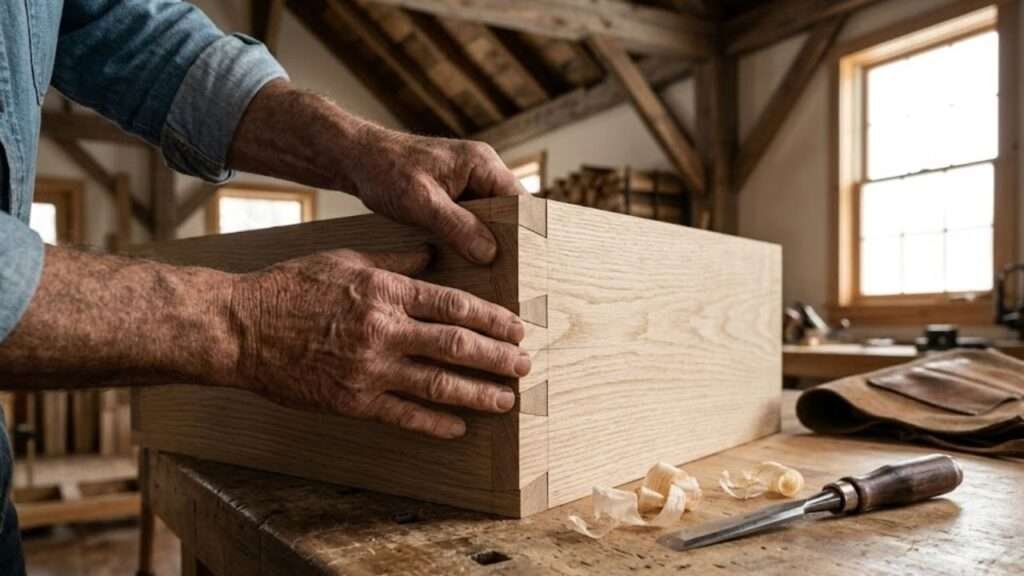
Woodwork Routers
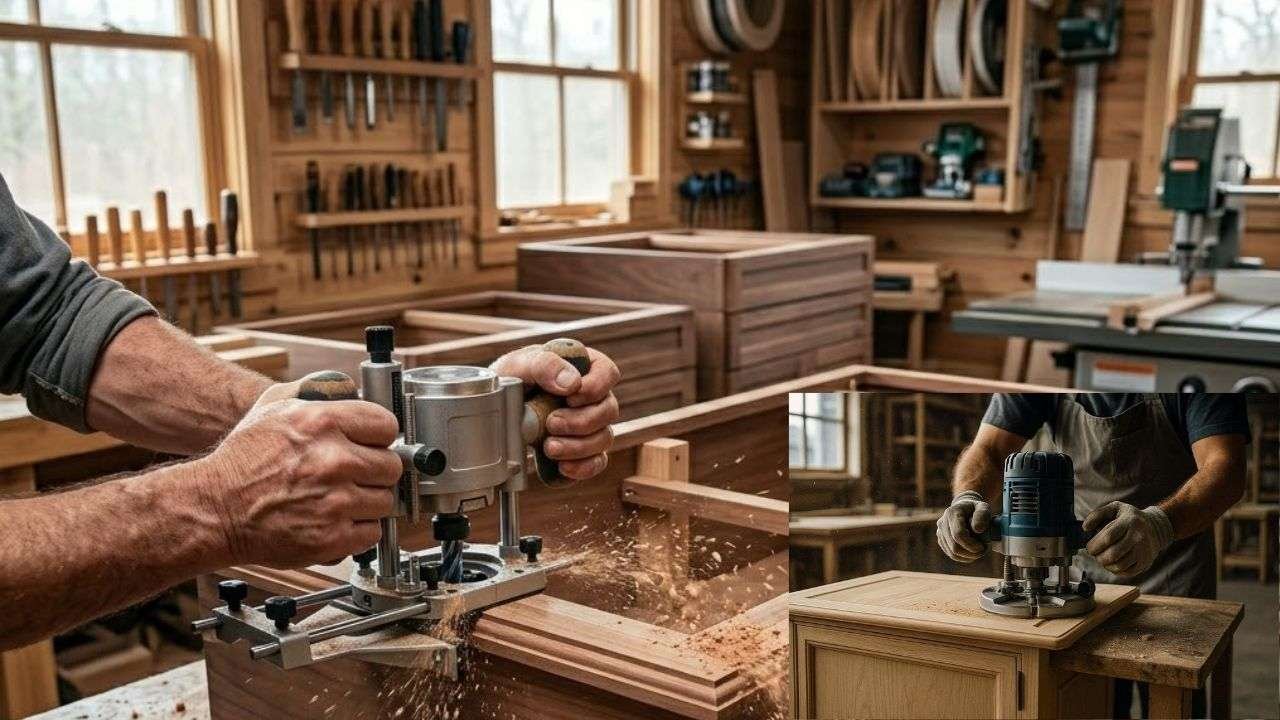
A router sits quietly on a shelf until the moment it is needed. Its presence changes the character of a workshop because it opens a path to precision that hand tools alone rarely match.
The sound of the motor, the scent of freshly cut timber and the fine dust that settles on the bench all signal a tool designed for shaping rather than force.
A router rewards patience and invites a slower, more attentive style of woodworking.
Understanding the Router.
A router is a power tool built to remove controlled amounts of material from the surface or edge of timber. Its base glides across the workpiece while the bit spins at high speed to create clean profiles.
The tool feels solid in the hands due to its weight and the smooth movement of the plunge mechanism. The router’s usefulness comes from its ability to perform delicate shaping tasks with repeatable accuracy.
A small adjustment of the depth dial can change the entire outcome of a project. The scent of warm pine rising from a fresh pass is a reminder of how little material is removed with each cut.
The Role of Bits and Profiles.
The router’s versatility comes from its bits. Each bit has a distinct shape that determines the final profile.
A straight bit cuts grooves with crisp edges while a round over bit softens corners with a gentle curve.
The steel of a sharp bit reflects light in a way that signals readiness for clean work. A set of well chosen bits can transform a single router into a multi purpose shaping system.
- Straight bits create dados and grooves for joinery.
- Chamfer bits produce angled edges that catch light.
- Flush trim bits follow a template for consistent shapes.
- Round over bits soften edges for a tactile finish.
The counter intuitive insight is that the simplest bits often deliver the most refined results. A straight bit used with care can achieve outcomes that appear far more complex than the tool suggests.
Precision in Joinery.
A router excels at joinery tasks that demand accuracy. Cutting a housing joint for a shelf becomes a controlled process when the router is guided by a straightedge. The hum of the motor and the faint vibration through the handles provide feedback that helps maintain a steady pace.
The resulting joint fits cleanly because the depth remains consistent across the entire cut. A lived in example is the construction of a small jarrah bookcase where the shelves sit in routed housings that align perfectly without visible gaps.
The limitation is that a router requires secure workholding. Timber that shifts under the bit leads to uneven cuts. This trade off encourages a more deliberate setup process that ultimately improves the quality of the work.
Shaping Edges and Surfaces.
Edge shaping is where many woodworkers first appreciate the router’s value.
A simple board becomes more refined when its edges are softened or profiled. The grain pattern becomes more noticeable as the bit reveals fresh timber beneath the surface.
A single pass along a piece of blackwood can highlight the contrast between earlywood and latewood. The router’s base plate glides smoothly across the timber and the sound changes slightly as the bit meets different grain directions.
This section benefits from a brief aside. Many woodworkers notice how the light shifts across a profiled edge late in the afternoon when the workshop window casts a long beam across the bench.
The router’s work becomes more visible in that moment.
Template Work and Repetition.
Templates allow the router to produce identical shapes repeatedly. A plywood template fixed to a workpiece guides a flush trim bit to create consistent curves.
This method is common when making multiple cutting boards or identical drawer fronts. The scent of freshly cut hardwood and the fine ribbon like shavings that gather near the template show how efficiently the bit follows the guide.
A table can help clarify the relationship between template type and bit selection.
| Template Type | Suitable Bit | Typical Use |
| Full shape template | Flush trim bit | Repeating identical outlines |
| Edge guide template | Straight bit | Grooves and dados |
| Pattern template | Pattern bit | Curved interior shapes |
The table highlights how the router adapts to different guiding methods without changing the fundamental technique.
Router Tables and Expanded Capability.
A router table changes the workflow by holding the router upside down beneath a flat surface. The workpiece moves instead of the tool.
This arrangement provides greater control for narrow or delicate pieces. The fence guides the timber while the bit protrudes just enough to shape the edge.
The sound is slightly different due to the enclosed motor and the dust extraction system. A small cedar frame can be shaped with remarkable consistency when passed across the table in steady movements.
The trade off is that setup time increases. Aligning the fence and adjusting the bit height require attention to detail. The benefit is a level of precision that is difficult to achieve with handheld routing.
Maintenance and Longevity.
A router performs best when maintained with care. Dust should be cleared from the vents to prevent heat buildup.
Bits need regular sharpening or replacement to maintain clean cuts. The collet must hold the bit securely without overtightening. The tactile feel of a well maintained router is noticeable. The plunge action moves smoothly and the motor starts with a steady rise rather than a sudden jolt.
A small observation often overlooked is how the smell of timber dust lingers inside the router’s housing. Clearing it out not only protects the tool but also restores the clean scent of the workshop.
Why Every Shed Benefits from a Router.
A router brings precision and versatility to a woodworking shed. It supports joinery, shaping and template work with equal competence.
The tool encourages a thoughtful approach to material removal and rewards careful setup. A router also expands the creative possibilities of a small workshop without requiring large machinery.
The fine dust on the bench and the smooth edges of a freshly shaped board show how much impact a single tool can have.
Closing Thoughts.
A router is not the loudest or most imposing tool in a woodworking shed. Its value lies in the quiet accuracy it brings to everyday projects.
The tool supports a style of woodworking that balances creativity with precision. A well chosen router becomes part of the workshop’s rhythm and contributes to the calm, deliberate atmosphere that many woodworkers seek.