Woodworking Materials And Alternatives
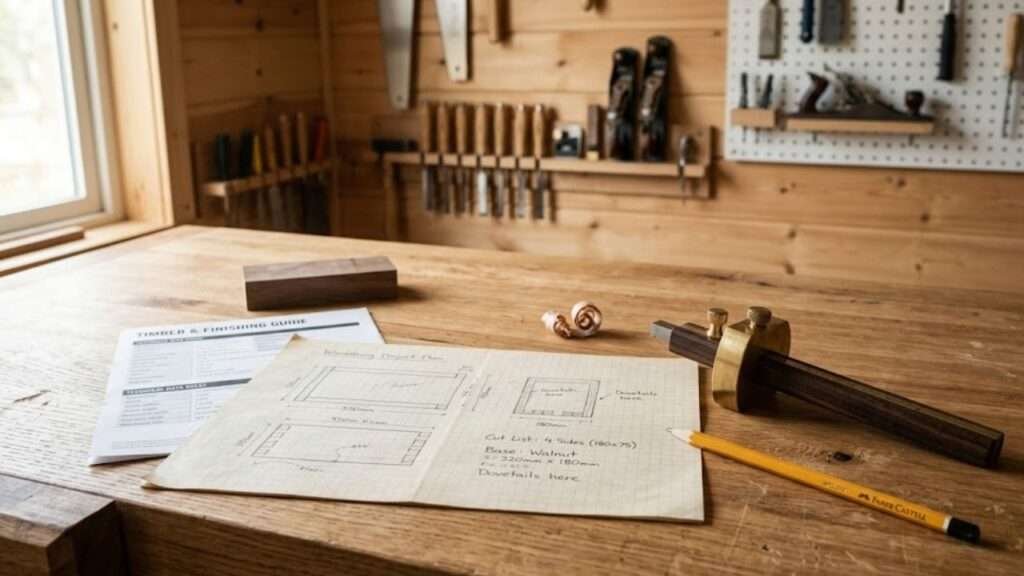
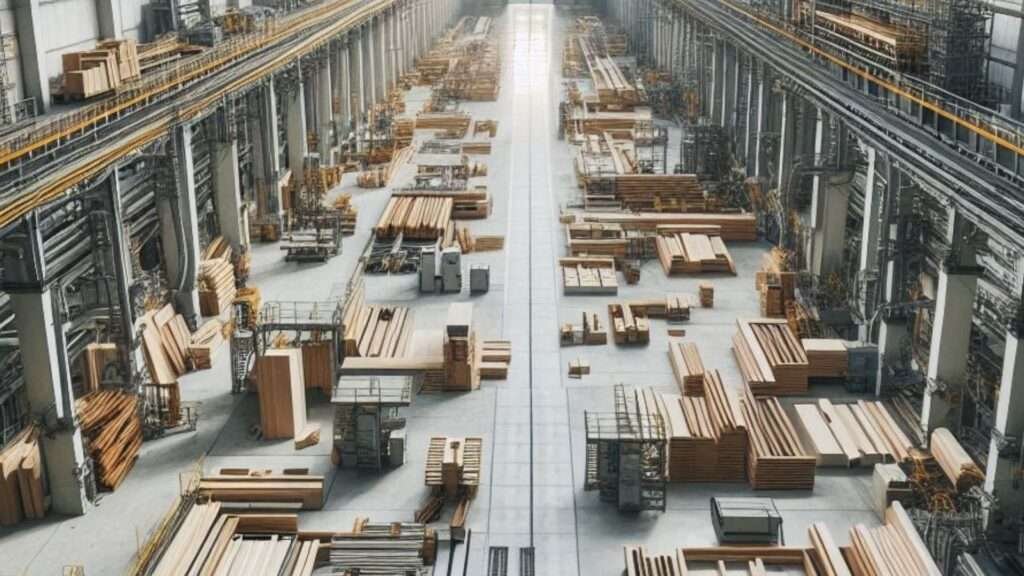
The character of a workshop often begins with the timber stacked along its walls. Boards with visible grain, a faint scent of resin or dust, and the weight of each piece in the hand shape the mood of the space.
When a preferred species is unavailable the work does not stop.
It shifts, material choice becomes an active part of the craft rather than a fixed starting point.
Understanding Material Flexibility.
Woodworkers who adapt to changing material availability often discover qualities they would not have noticed otherwise.
A board of reclaimed pine with sun‑bleached edges behaves differently from fresh stock. Bamboo panels feel cool and rigid when lifted from a shelf.
Engineered boards reveal a uniform density that can be reassuring during layout.
These differences encourage a more attentive approach to selection and preparation. A small tangential observation often arises during this process.
The offcuts pile tells a quiet story about the materials used over time because each piece carries a slightly different colour or texture.
Flexibility in material choice is not a fallback. It is a sign of confidence in reading grain, weight, and workability.
A craftsperson who understands these qualities can move between materials without losing the essence of the project.
Reclaimed Timber In Contemporary Workshops.
Reclaimed timber introduces a sense of history into a project.
Boards pulled from old framing or furniture often show nail shadows or uneven oxidation. These marks become part of the final piece.
When planed lightly the surface reveals a mix of aged patina and fresh fibre. The contrast can be striking in a quiet way.
Reclaimed material requires more inspection than new stock. Hidden fasteners can damage blades. Variations in density can affect joinery.
The trade‑off is clear and practical. Time spent preparing reclaimed boards is longer but the visual depth they offer is difficult to replicate with new timber.
- Inspect each board for embedded metal before milling.
- Plane conservatively to preserve surface character.
- Use sharp tools to manage inconsistent grain.
A nuanced observation emerges when working with reclaimed timber.
The most stable boards are sometimes those that look the most weathered because decades of service have already revealed their movement patterns.
Engineered Wood As A Reliable Option.
Engineered wood products such as plywood, MDF, and laminated panels provide consistency. A sheet of high quality plywood has predictable stiffness and a clean face veneer.
When cut the edges show a layered structure that can be left exposed in modern designs. MDF offers a smooth surface that accepts paint evenly.
These materials are often overlooked by traditionalists yet they solve specific problems with efficiency.
The workshop experience changes when handling engineered boards. The weight of a full sheet is substantial.
The surface feels cool and uniform. Cutting produces fine dust that requires careful extraction. These sensory cues remind the craftsperson that engineered materials demand a different workflow.
A counter‑intuitive insight appears here. Engineered boards can highlight craftsmanship rather than diminish it.
Their uniformity exposes inaccuracies quickly. A misaligned joint or uneven edge becomes immediately visible which encourages precision.
Bamboo As A Modern Woodworking Material.
Bamboo behaves differently from timber because it is a grass rather than a tree.
Laminated bamboo panels have a distinctive linear grain and a warm golden tone. When sanded the fibres release a subtle sweet scent.
The material is dense and resilient which makes it suitable for cutting boards, shelving, and small furniture.
Working bamboo requires sharp tools and steady feed rates. The density can cause burning if blades are dull.
The edges polish smoothly which gives finished pieces a refined appearance. Bamboo’s rapid growth cycle appeals to woodworkers who value sustainable sourcing. The limitation with bamboo is its sensitivity to moisture changes. Panels can cup if not sealed properly.
This is not a vague concern. It affects real projects.
A bamboo shelf installed in a humid laundry room may shift slightly over time unless sealed on all sides.
Non Traditional Substrates In Creative Woodworking.
Some projects benefit from materials that are not wood at all.
Cork sheets provide a soft textured surface for pinboards or drawer liners.
Linoleum panels offer a matte finish that feels warm under the hand. Composite sheets made from agricultural fibres have a muted colour and a subtle organic scent when cut.
These materials expand the creative range of a workshop. A cabinet door faced with linoleum has a quiet elegance.
A cork inlay in a jewellery box adds tactile interest. The key is understanding how these substrates behave. Cork compresses under pressure. Linoleum can chip if scored too deeply. Composite sheets vary in density.
- Test small offcuts before committing to a full cut.
- Use appropriate adhesives for each substrate.
- Seal edges where moisture exposure is expected.
These materials encourage experimentation. They also remind the craftsperson that woodworking is not limited to timber alone. The workshop becomes a place where texture and function guide decisions.
Reading Grain And Workability Across Materials.
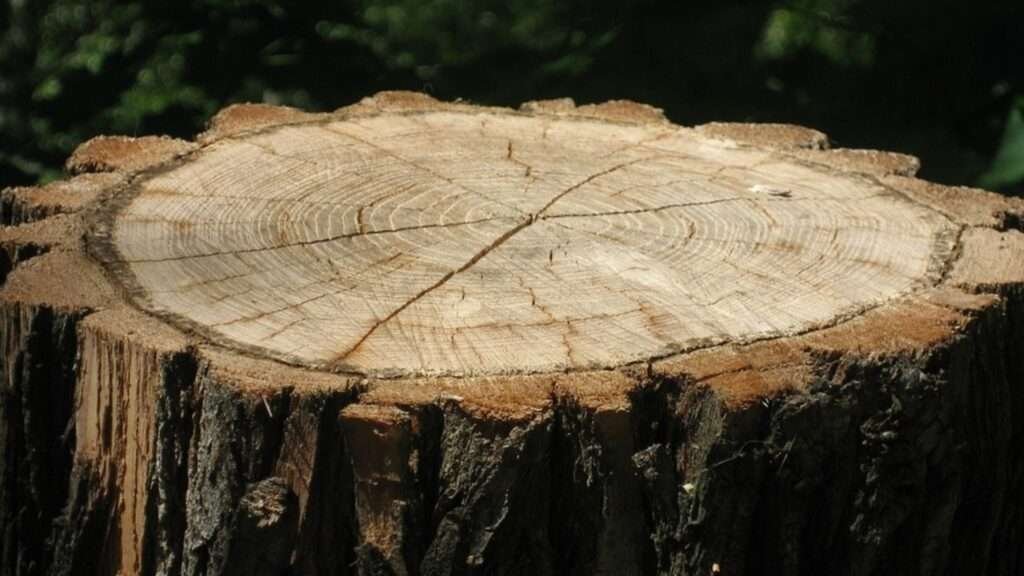
Grain direction influences every cut. In natural timber the grain shifts subtly along the board. Running a hand across the surface reveals raised fibres or smooth sections. Engineered boards lack this variation but have their own patterns. Plywood’s alternating layers create predictable resistance.
Bamboo’s vertical grain lines guide the direction of planing.
Understanding grain is not only about avoiding tear‑out. It shapes the feel of the finished piece.
A drawer front with grain running horizontally creates a calm visual line. A tabletop with bookmatched grain adds symmetry. These decisions apply across all materials including non traditional substrates where texture replaces grain.
The table below summarises key characteristics that influence workability.
| Material |
Sensory Detail |
Workability Notes |
Typical Uses |
| Reclaimed timber |
Aged patina with varied density |
Requires inspection and careful milling |
Furniture, accent pieces |
| Engineered wood |
Smooth uniform surface |
Predictable cuts and stable panels |
Cabinets, shelving |
| Bamboo |
Dense with linear grain |
Needs sharp tools and full sealing |
Cutting boards, small furniture |
| Non traditional substrates |
Soft or matte textures |
Specific adhesives and edge treatments |
Inlays, panels |
Designing With Material Availability In Mind.
A project often begins with a sketch yet the material on hand can influence the final form. A reclaimed beam may suggest a narrower table leg.
A sheet of plywood may encourage a layered edge detail. Bamboo panels might inspire a vertical rhythm in a shelving unit. These shifts are not compromises. They are part of the design process.
A lived‑in example illustrates this clearly. A small hallway bench built from leftover plywood offcuts gained a distinctive layered edge that became the highlight of the piece. The design changed because the material suggested a direction. The result felt intentional rather than improvised.
Material availability can also guide workflow. When a preferred species is unavailable the craftsperson may choose a hybrid approach.
A cabinet carcass built from plywood with solid timber edging balances stability with visual warmth. This combination respects both function and appearance.
Cultivating A Workshop Mindset That Welcomes Alternatives.
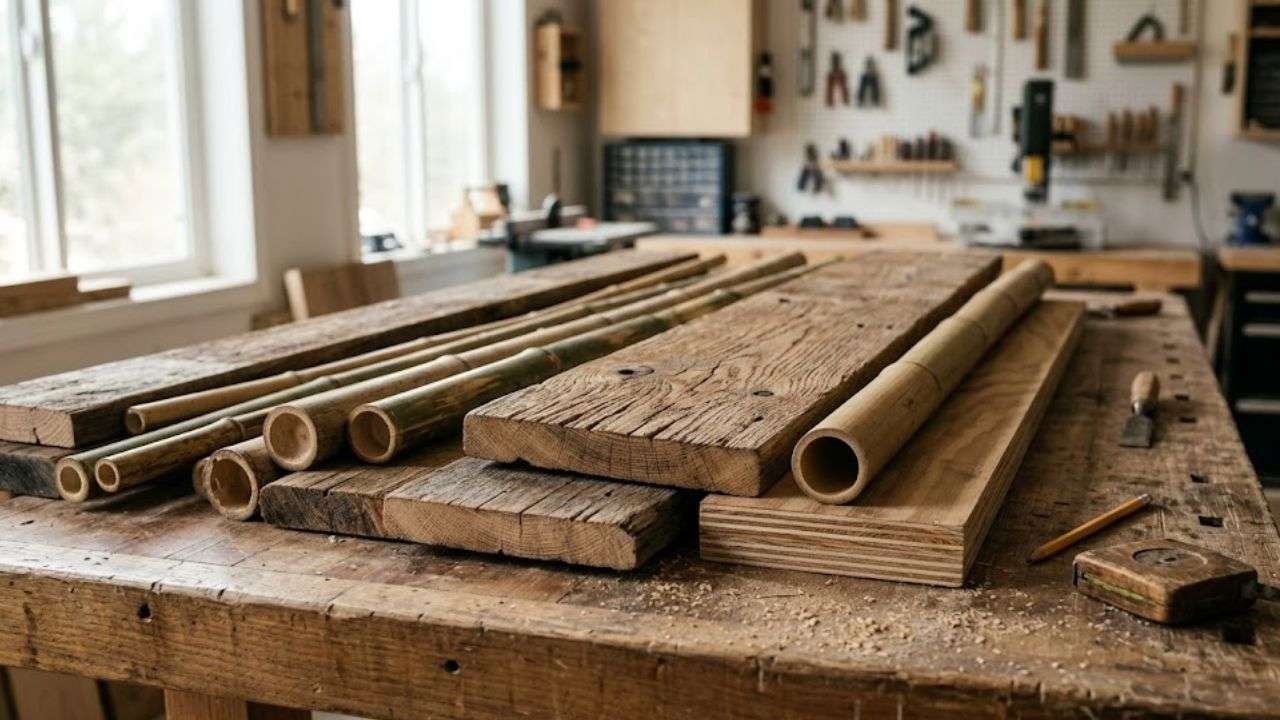
A workshop that embraces varied materials feels more open. Stacks of reclaimed boards sit beside sheets of engineered wood.
Bamboo panels lean against a wall. Offcuts of cork or linoleum rest in a small crate. Each material offers a different tactile experience. The craftsperson learns to select based on purpose rather than habit.
This mindset reduces frustration when supply is limited. It also encourages a deeper understanding of how materials behave.
Over time the craftsperson becomes more confident in adapting joinery, finishing, and design choices to suit what is available. The theme is simple.
A woodworker who reads materials with attention is never stuck.
Closing Thoughts.
Woodworking grows richer when material choice becomes an active part of the craft. Grain, texture, density, and scent guide decisions in ways that deepen the connection between maker and material.
When preferred timber is unavailable the workshop remains a place of possibility. Flexibility becomes a form of craftsmanship in its own right.